The Pulse of Modern Entertainment: How Stories, Screens, and Sounds Shape Our World
Introduction: A New Era of Endless Amusement
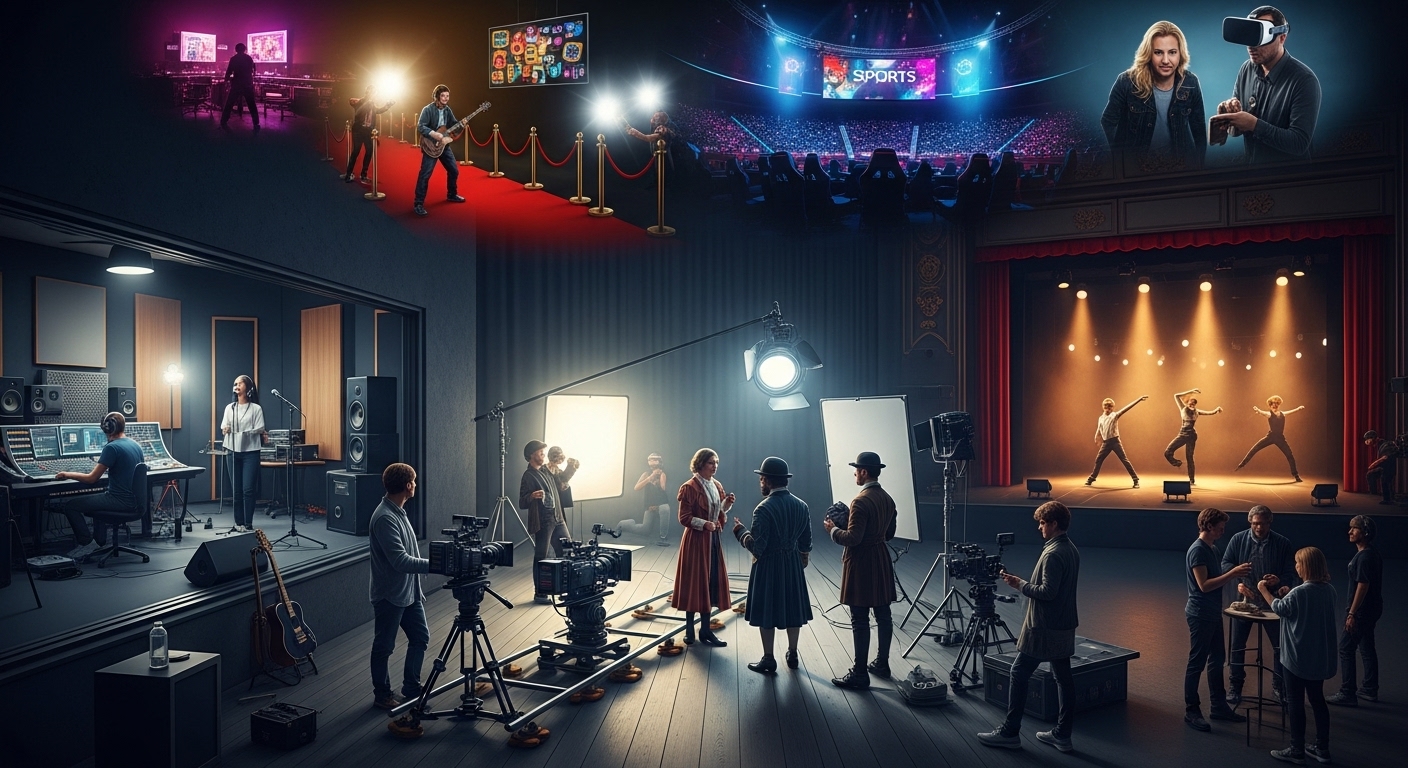
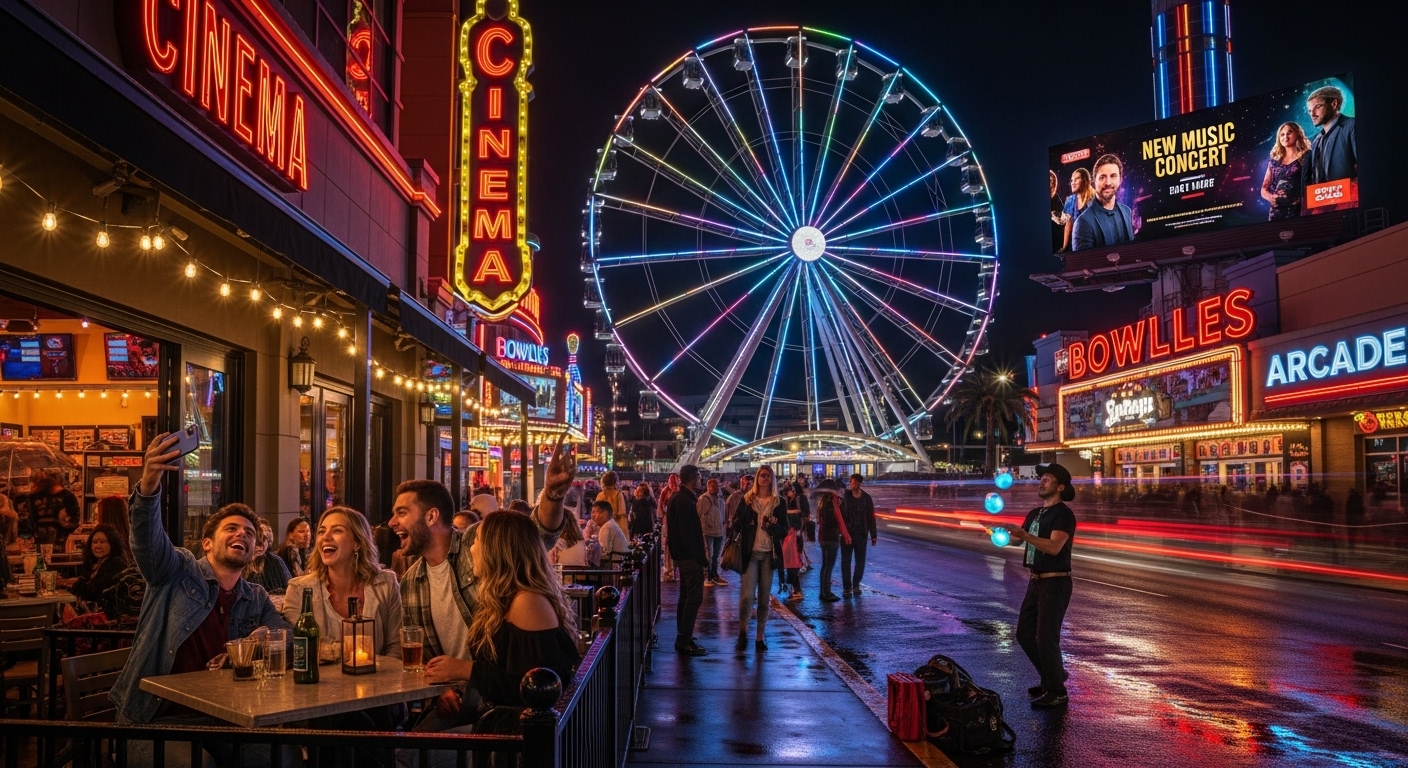
Entertainment has never been more abundant, more diverse, or more accessible than it is today. From the rise of global streaming platforms to the evolution of interactive gaming, we live in a time when stories, music, and visual creativity are always within reach. This abundance has not only changed how we spend our free time but how we understand culture, identity, connection, and imagination. As technology reshapes storytelling and creativity, entertainment becomes a living ecosystem—constantly growing, innovating, and redefining itself. In this blog, we will explore how modern entertainment thrives across screens, stages, and digital spaces, influencing people of every age and background.
The Streaming Revolution: Stories at Our Fingertips
The biggest shift in entertainment over the past decade is undoubtedly the rise of streaming. What once required appointment-based viewing now exists in an on-demand universe. Viewers can start a movie during dinner, pause it to take a call, resume later on a phone, and finish it on a tablet. This flexibility has completely erased the boundaries that once confined entertainment to specific rooms or devices.
Streaming has also democratized storytelling. Various countries now produce shows that become global sensations. Audiences are no longer restricted to local tastes; instead, they experience new languages, new cultures, and new perspectives simply by hitting play. The more platforms expand, the more they inspire fresh narratives, bold experiments, and risk-taking in creativity that traditional television might have avoided.
Cinema’s Evolution: From Theaters to Home Screens
Movie theaters remain magical—a place where sound, scale, and emotion blend into a communal experience. However, the industry has witnessed dramatic changes as home entertainment options grow in quality and convenience. Today’s viewers can enjoy cinematic visuals from their living rooms, with high-definition screens and surround-sound systems bringing the theater home.
But rather than becoming rivals, home and theater experiences now complement each other. The big screen remains the ideal home for epic adventures, large-scale action, and emotional dramas where audience reactions enhance the storytelling. Meanwhile, intimate films and experimental projects often thrive on streaming services, where viewers can discover them without the pressure of box office competition. This duality ensures cinema’s continued relevance as both an art form and a cultural habit.
Music in the Age of Personalization
Music has also transformed dramatically. Instead of purchasing albums or waiting for radio stations to play our favorite tracks, we now live in a world of personalized playlists and instant access. Algorithms help listeners discover genres they never knew existed, while artists from small towns gain worldwide recognition through digital platforms.
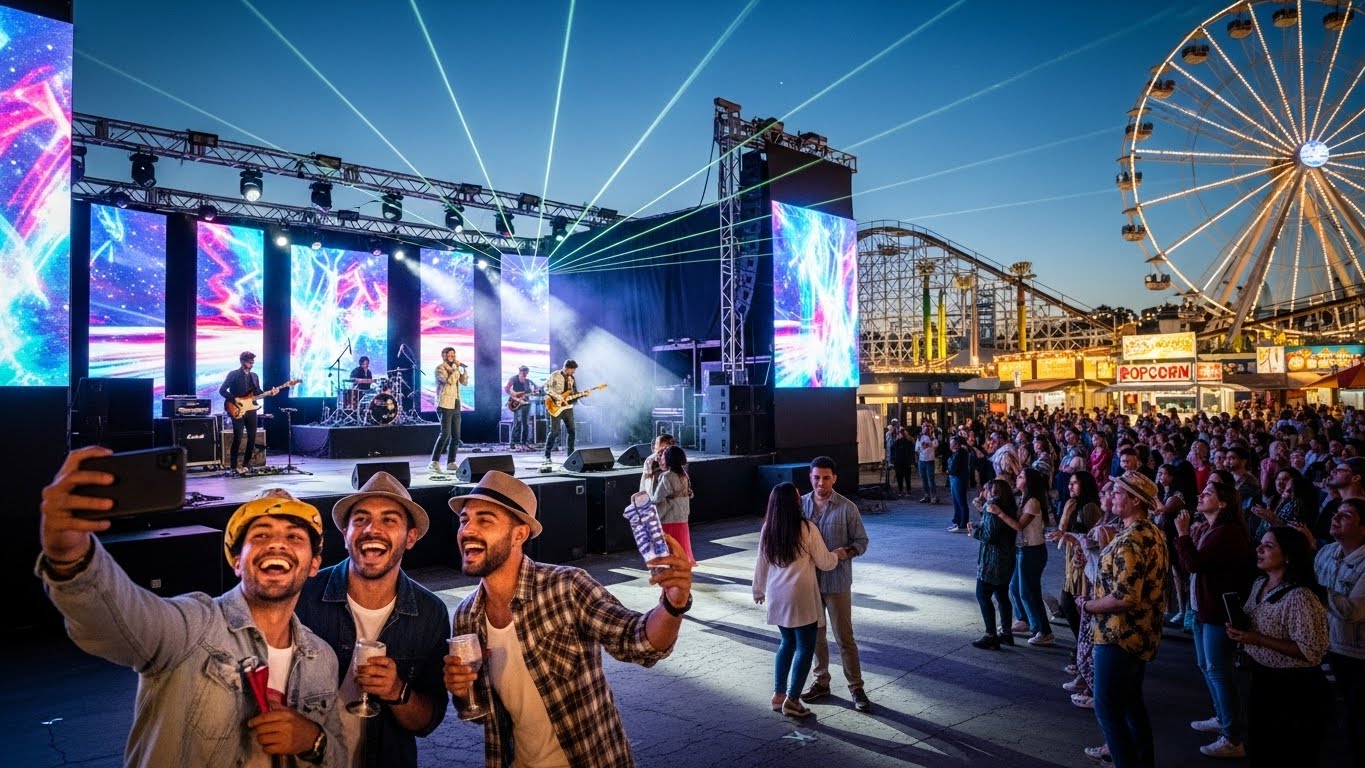
The resurgence of live performances has also added a new dynamic. Concerts today combine music with immersive visuals, lighting effects, and audience interaction, turning a performance into a sensory event. Even more intriguing is how virtual shows and holographic performances are emerging, offering new possibilities for how fans connect with artists. Music, once limited by geography, now travels faster than ever, becoming a universal language that binds cultures and generations.
The Social Media Stage: Where Everyone Can Be a Creator
Social media has reshaped entertainment by blurring the line between audience and performer. Platforms allow anyone with a phone to create content, whether it be comedy sketches, dance routines, mini vlogs, or creative edits. The rise of short-form video has led to a new genre of rapid-fire entertainment, where millions of clips compete for attention within seconds.
This new creative space has produced influencers who become celebrities in their own right. What sets them apart is relatability. Unlike traditional stars who were known from a distance, content creators feel familiar, accessible, and authentic. They share everyday moments, behind-the-scenes glimpses, and personality-driven content that builds a personal bond with fans. This shift has redefined fame, making it more fluid, more attainable, and more interactive.
Gaming: The Age of Interactive Storytelling
Gaming has evolved into one of the most dominant entertainment mediums worldwide. It is no longer just about completing levels or beating opponents. Modern games are cinematic experiences, offering emotional narratives, breathtaking visuals, and complex characters that rival the best films and novels. Games immerse players in worlds where they are not just observers but active participants in shaping the story.
Additionally, the rise of online multiplayer communities has turned gaming into a social activity. Friends and strangers collaborate, compete, and communicate across continents. Live-streaming platforms have turned gamers into entertainers, drawing massive audiences who enjoy watching gameplay as much as playing themselves. The gaming universe continues to expand with innovations like virtual reality, making immersive entertainment more tangible than ever.
The Rebirth of Live Performance: Stages, Spectacles, and Shared Emotion
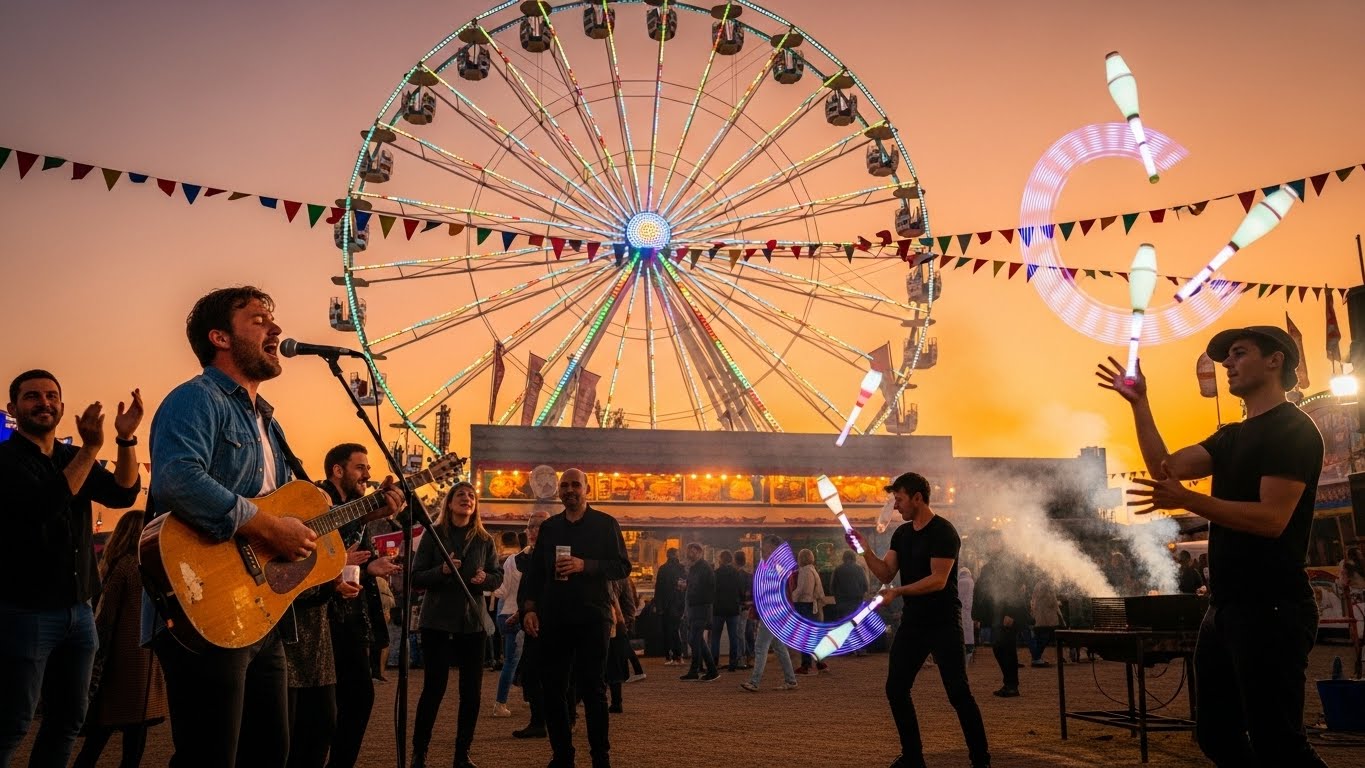
Despite the dominance of digital platforms, live entertainment holds an irreplaceable charm. Theater shows, comedy nights, festivals, and concerts offer something digital screens cannot replicate: the energy of a shared human experience. Audiences laugh together, sing together, cry together, and feel the pulse of performers in real time.
This resurgence of live events reflects a deep human need for collective experiences. After years of digital consumption, people seek connection, performance, and the thrill of unpredictability. Artists also return to the stage with renewed creativity, experimenting with choreography, interactive elements, and storytelling methods that make each show unique.
Celebrity Culture: Reinvention in the Digital Age
The concept of celebrity has expanded dramatically. Traditional film stars still shine, but influencers, comedians, gamers, musicians, and even everyday individuals can now reach stardom. Fame is increasingly decentralized, no longer controlled by major studios or record labels. The public decides who becomes popular by liking, sharing, and following.
This shift offers more authentic representation and storytelling, but it also challenges public figures to maintain transparency. Audiences expect honesty and connection rather than polished perfection. This new era of celebrity places creativity, personality, and relatability at the forefront.
The Rise of Nostalgia: Why Old Becomes New Again
In a world moving at high speed, nostalgia has become a comforting form of entertainment. Classic shows get modern reboots, old songs trend once more, and retro fashion returns to runways. This emotional connection to the past offers audiences a familiar escape, while creators reinterpret old favorites with new perspectives.
Nostalgia bridges generations. Parents share their childhood favorites with their children, while younger audiences discover cultural classics for the first time. This recycling of creativity keeps stories alive while allowing them to evolve with each new telling.
Cultural Diversity in Entertainment: Voices from Every Corner
One of the most exciting shifts in modern entertainment is the amplification of diverse voices. Filmmakers, musicians, writers, and performers from various backgrounds now bring their stories to the global stage. These stories challenge stereotypes, broaden understanding, and introduce audiences to new traditions, languages, and identities.
Representation not only enriches the entertainment landscape but also empowers individuals to see themselves reflected in the stories they consume. As diversity continues to flourish, entertainment becomes a powerful tool for cultural connection.
Technology and the Future: What Comes Next?
Looking ahead, entertainment will only grow more immersive. Virtual reality may soon place viewers inside films. Augmented reality may turn living rooms into interactive stages. Artificial intelligence might personalize stories based on viewer moods, creating one-of-a-kind narratives.
Yet, amid all the innovation, the core of entertainment remains unchanged: the human desire to feel, imagine, and connect. Technology may enhance the experience, but emotion remains at the center of every great story, song, or performance.
Conclusion: Entertainment as the Rhythm of Modern Life
Entertainment is more than a pastime; it is the rhythm that shapes cultures, sparks imagination, and connects people across distances. Whether through films, games, music, live shows, or digital creators, it continues to evolve as a reflection of our desires, identities, and creativity. As we move further into the digital age, one thing is certain: entertainment will keep expanding, surprising, and inspiring us, offering endless ways to escape, explore, and engage with the world.