The Changing Landscape of Entertainment: From Traditional to Digital
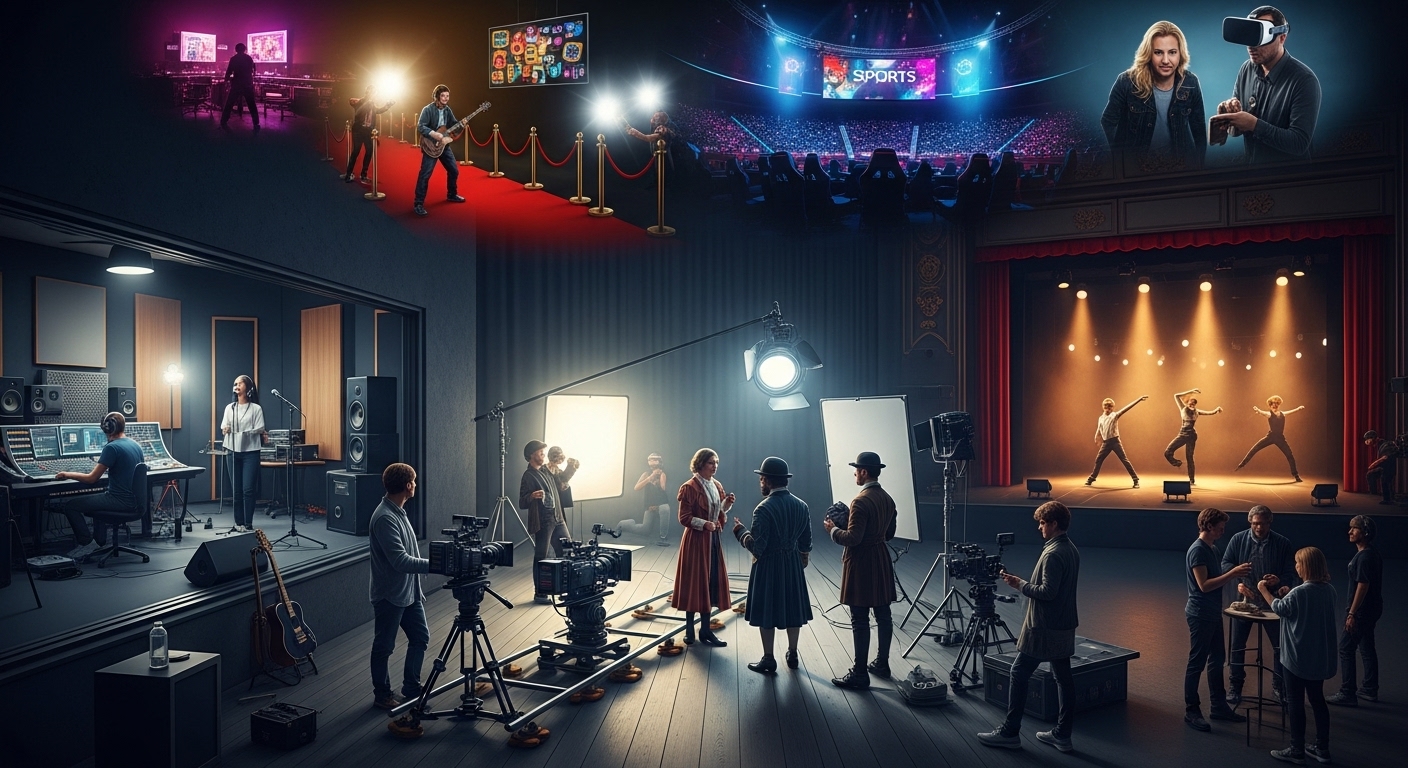
Entertainment has always been a driving force in human culture. For centuries, people have sought ways to relax, escape from their daily routines, and find joy in stories, performances, and artistic expressions. Over the years, entertainment has evolved dramatically, influenced by technological advancements, societal changes, and shifting tastes. The entertainment industry, once defined by traditional forms like theater, cinema, and radio, has now expanded into the digital realm with streaming services, video games, social media influencers, and immersive virtual experiences.
In this blog post, we’ll explore the evolution of entertainment, from its traditional roots to the digital age, and how these changes are reshaping the way we consume and engage with content. Along the way, we’ll also discuss the impact of new media on the global entertainment landscape.
Traditional Entertainment: The Golden Age of Cinema and Television
Before the rise of the internet and mobile technology, traditional forms of entertainment were the cornerstone of global culture. Cinema, television, and radio provided the primary means for people to access content. The Golden Age of Hollywood, spanning from the 1930s to the 1950s, marked a period of unparalleled innovation in film production, with directors, actors, and studios creating iconic films that defined modern cinema. Similarly, television became a household staple in the 1950s, with shows like “I Love Lucy,” “The Twilight Zone,” and “The Ed Sullivan Show” attracting millions of viewers.
Cinema and television offered audiences an escape into fictional worlds, often with larger-than-life stars. Radio, in its time, was a dominant medium, delivering news, music, and entertainment into homes across the globe. These traditional forms of entertainment were centralized, meaning people often had limited access to content and consumed it on a scheduled basis—whether it was catching a movie at the local theater or tuning in to a favorite television show at a specific time.
However, the digital revolution has slowly started to upend these old paradigms. While traditional entertainment still holds a special place in people’s hearts, it’s no longer the only option for entertainment-seekers.
The Digital Transformation: Streaming and Online Content
The 21st century witnessed the birth of the digital age, which forever altered how entertainment is consumed. Streaming platforms like Netflix, Amazon Prime Video, and Hulu emerged, giving people the power to watch movies and TV shows on-demand, from any device, at any time. This shift was revolutionary for the entertainment industry, as it removed the constraints of fixed schedules and geographical limitations.
Streaming services allow users to choose what to watch based on their preferences, without relying on cable TV packages or waiting for scheduled broadcasts. The rise of these services also paved the way for original content production, with platforms like Netflix and Amazon investing heavily in creating their own shows and movies. This shift in content creation has sparked a creative renaissance, with new talent, genres, and stories emerging from non-traditional studios and independent creators.
Moreover, the sheer volume of available content has dramatically changed how audiences engage with entertainment. Instead of flipping through a few channels on TV, people now have access to thousands of titles at their fingertips. This has led to a phenomenon known as “binge-watching,” where users consume entire seasons of shows in one sitting. While binge-watching has been criticized for encouraging unhealthy consumption habits, it has also fostered deeper connections with characters and stories, allowing for a more immersive entertainment experience.
The Rise of Social Media and Influencers
As streaming services revolutionized how we consume films and TV shows, social media transformed how we interact with celebrities, creators, and brands. Platforms like YouTube, Instagram, TikTok, and Twitter have given birth to a new type of entertainment—one driven by user-generated content and individual creators. Unlike traditional entertainment, which was largely produced by industry giants, social media has democratized content creation, allowing anyone with a camera and an internet connection to become a potential star.
Social media influencers—individuals who gain large followings on platforms like YouTube or Instagram—have become the new faces of entertainment. These influencers share everything from beauty tips and fitness routines to comedic sketches and lifestyle vlogs. Many influencers have also leveraged their popularity to launch their own brands, collaborate with major companies, or even transition into traditional media roles like acting or music.
This shift has significantly altered the power dynamics in the entertainment industry. No longer do people need to rely on agents, studios, or networks to make their voices heard. A single viral video or post can catapult a creator to stardom, and their content can reach millions of viewers across the globe in a matter of hours.
Social media also enables fans to interact directly with their favorite creators, providing a level of accessibility and engagement that was previously unimaginable. Fans can comment on posts, share content, and even participate in live streams, creating a more interactive and participatory form of entertainment.
The Impact of Gaming: A New Frontier in Entertainment
Video games have long been considered a form of entertainment, but in recent years, the gaming industry has grown into a cultural juggernaut that rivals traditional forms of entertainment like film and television. According to industry reports, the global video game market is expected to surpass $200 billion in 2023, outpacing both movies and music combined.
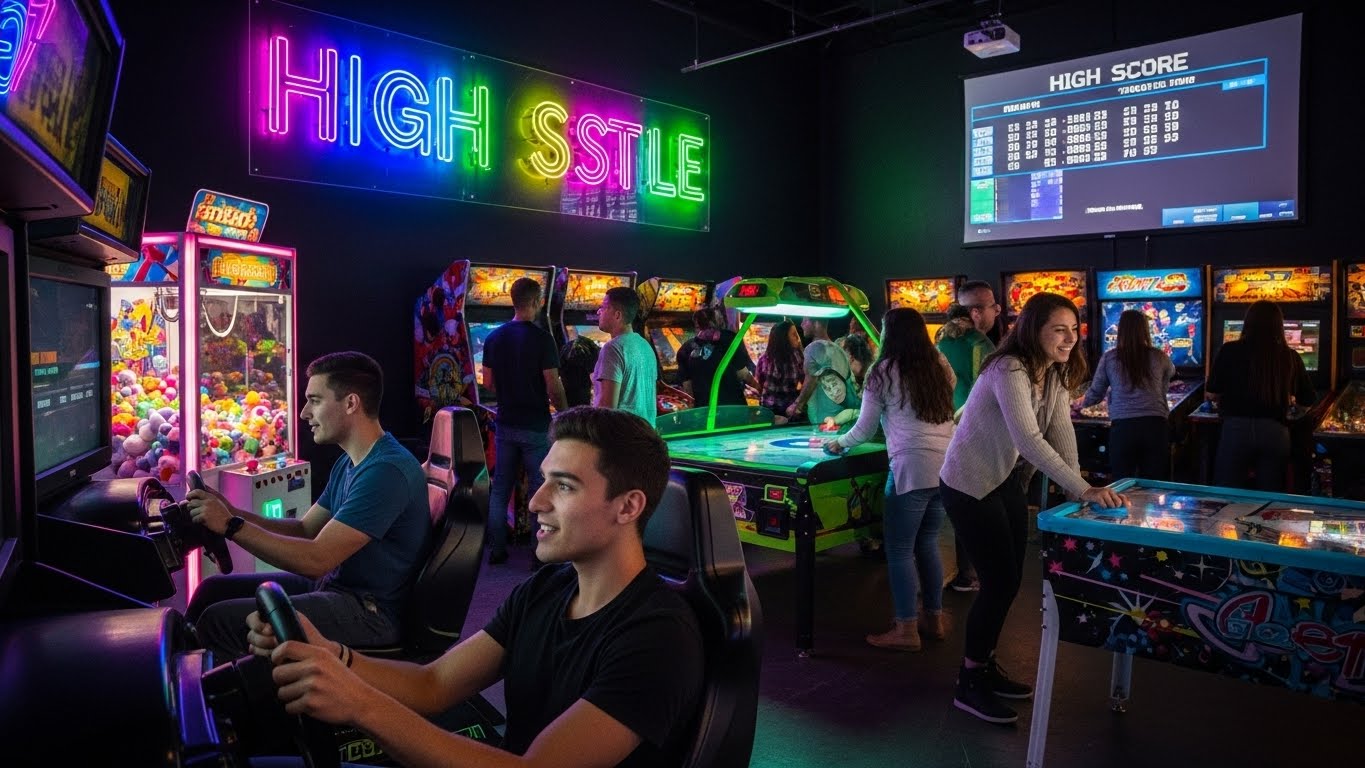
The rise of multiplayer online games, esports, and virtual worlds has transformed gaming from a solitary activity into a shared experience. Games like “Fortnite,” “Minecraft,” and “League of Legends” have created massive online communities, where players from around the world come together to compete, collaborate, and socialize. Esports, or competitive video gaming, has become a multi-million-dollar industry, with professional players, coaches, and teams competing in sold-out arenas and broadcasting their matches to millions of viewers online.
Moreover, the integration of virtual reality (VR) and augmented reality (AR) technologies has opened up entirely new realms of immersive entertainment. VR gaming, in particular, offers players a chance to step inside the game world, offering unparalleled levels of engagement and immersion. This technology is still in its early stages, but as hardware becomes more affordable and software improves, VR could become a dominant form of entertainment in the years to come.
The Future of Entertainment: A Hybrid Approach
As technology continues to evolve, the future of entertainment is likely to be a hybrid model that blends traditional forms with emerging digital experiences. While streaming and digital content will remain dominant, there will always be a place for live performances, theater, and cinema. People will continue to crave the collective experience of watching a movie in a theater or attending a concert, and advancements in technologies like 4D cinema and interactive performances may make these experiences even more immersive.
In addition, new forms of interactive entertainment, such as virtual concerts and digital meet-and-greets with celebrities, will allow fans to engage with their favorite creators in more dynamic ways. We may even see more cross-platform experiences, where users can watch a show, play a game, and interact with other fans all in the same virtual space.
As we move forward, the boundaries between different types of entertainment will continue to blur. A TV show might have an interactive game component, a film could include virtual reality scenes, and social media influencers could be part of a multi-platform storytelling experience. The future of entertainment is not just about how we consume content but also how we interact with it and the creators behind it.
Conclusion
Entertainment has come a long way from its traditional roots, evolving from radio, television, and cinema to embrace the digital age with streaming services, social media influencers, and interactive gaming. These shifts have fundamentally changed how we consume content, engage with creators, and experience storytelling.
While traditional forms of entertainment still have their place, the rise of digital platforms and technologies has opened up exciting new possibilities for creators and audiences alike. The future of entertainment will likely see even more convergence between various mediums, with technology playing an ever-larger role in shaping the experiences of tomorrow.
In the end, the true essence of entertainment will always remain the same: a way to connect, escape, and be entertained. Whether we’re watching a movie in the theater, playing a game with friends, or following an influencer on TikTok, entertainment will continue to evolve, offering new and exciting ways for us to experience the world around us.