The Future of Entertainment: Exploring New Frontiers in the Digital Age

Entertainment has always been a vital part of human culture, offering escape, excitement, and a sense of connection. Over the years, the way we consume entertainment has undergone radical changes, thanks to technological advancements and shifting cultural trends. From traditional cinema to interactive experiences, the entertainment industry is continually evolving. In this blog, we’ll explore how entertainment has transformed, the trends shaping its future, and what we can expect in the years to come.
The Evolution of Entertainment
Not long ago, entertainment was limited to a few traditional mediums: television, radio, and cinema. Families would gather around the TV to watch their favorite shows, or moviegoers would flock to theaters for the latest blockbuster. The internet, however, disrupted these conventional forms of entertainment, bringing vast new opportunities to connect and consume media in diverse ways.
The digital age revolutionized entertainment by making it more accessible, diverse, and on-demand. Platforms like Netflix, YouTube, and Spotify, for example, have completely redefined how people consume movies, music, and shows. The once rigid schedules of broadcasting have given way to the flexibility of streaming, where viewers are in control of what, when, and how they watch.
The Impact of Streaming Services
In the past decade, streaming services have become the dominant force in entertainment. These platforms offer a wide range of content that can be accessed at any time and from any device. The rise of services like Netflix, Disney+, Amazon Prime Video, and Hulu has made it easier for people to enjoy movies, TV shows, and documentaries at their convenience. This shift from traditional cable TV to streaming has changed not just how we consume entertainment, but also how it’s created.
Streaming platforms are now major players in content creation, producing original series and films that compete with big studio productions. Shows like “Stranger Things,” “The Crown,” and “The Mandalorian” have demonstrated that streaming services are not only offering access to existing content but are shaping the future of television and cinema with high-quality, original programming.
Moreover, the global reach of streaming services has broken down geographic barriers. No longer are people limited to local content; streaming services provide access to films, shows, and music from around the world, offering a wider variety of entertainment options.
The Rise of Gaming as Entertainment
While movies and TV shows continue to be staples of the entertainment world, video gaming has become an increasingly dominant force. Gaming is no longer just a hobby for a niche group of people; it has evolved into a multi-billion-dollar industry that attracts a broad and diverse audience. Video games now offer immersive experiences that rival the cinematic world, with highly detailed graphics, complex storylines, and interactive gameplay.
The rise of esports—competitive gaming—has also turned gaming into a spectator sport. Major tournaments for games like League of Legends, Dota 2, and Fortnite now attract millions of viewers worldwide, with prize pools reaching millions of dollars. Gaming has become more than just a pastime; it’s a culture, a community, and for many, a livelihood.
Moreover, gaming is becoming increasingly social. Online multiplayer games allow friends and strangers alike to connect, collaborate, and compete, creating shared experiences that transcend geographic boundaries. The development of virtual reality (VR) and augmented reality (AR) gaming has further expanded the potential for immersive and interactive experiences, bringing players deeper into the digital worlds they explore.
Interactive and Immersive Experiences
Beyond traditional entertainment, there is an increasing demand for interactive and immersive experiences. Audiences no longer want to just sit back and watch; they want to be a part of the story. This shift is seen in the growing popularity of interactive films, live-streamed events, and virtual reality (VR) experiences.
Interactive content, where viewers can make decisions that affect the storyline, is a prime example of this shift. Shows like “Black Mirror: Bandersnatch” on Netflix have allowed viewers to choose the direction of the story, leading to a personalized viewing experience. This type of storytelling opens up new possibilities for content creators, who can now engage audiences in ways that were previously unimaginable.
Virtual reality, once seen as a futuristic technology, is becoming more mainstream in both gaming and entertainment. VR experiences allow users to step inside a digital world and interact with their surroundings, offering a level of immersion that traditional media simply can’t match. From VR concerts to 360-degree movies and virtual museums, the potential for immersive entertainment is vast.
The Role of Social Media in Entertainment
Social media has become a major player in the entertainment ecosystem. Platforms like Instagram, TikTok, Twitter, and YouTube have allowed everyday individuals to become content creators, offering entertainment directly to their followers. Influencers and content creators have emerged as key figures in entertainment, shaping trends and driving cultural movements.
Social media has also transformed the way people engage with traditional entertainment. Fans can interact with their favorite celebrities in real-time through platforms like Twitter and Instagram, while YouTube offers a direct way for fans to access behind-the-scenes content, interviews, and vlogs. In essence, social media has blurred the lines between creators and consumers, turning audiences into active participants in the entertainment process.
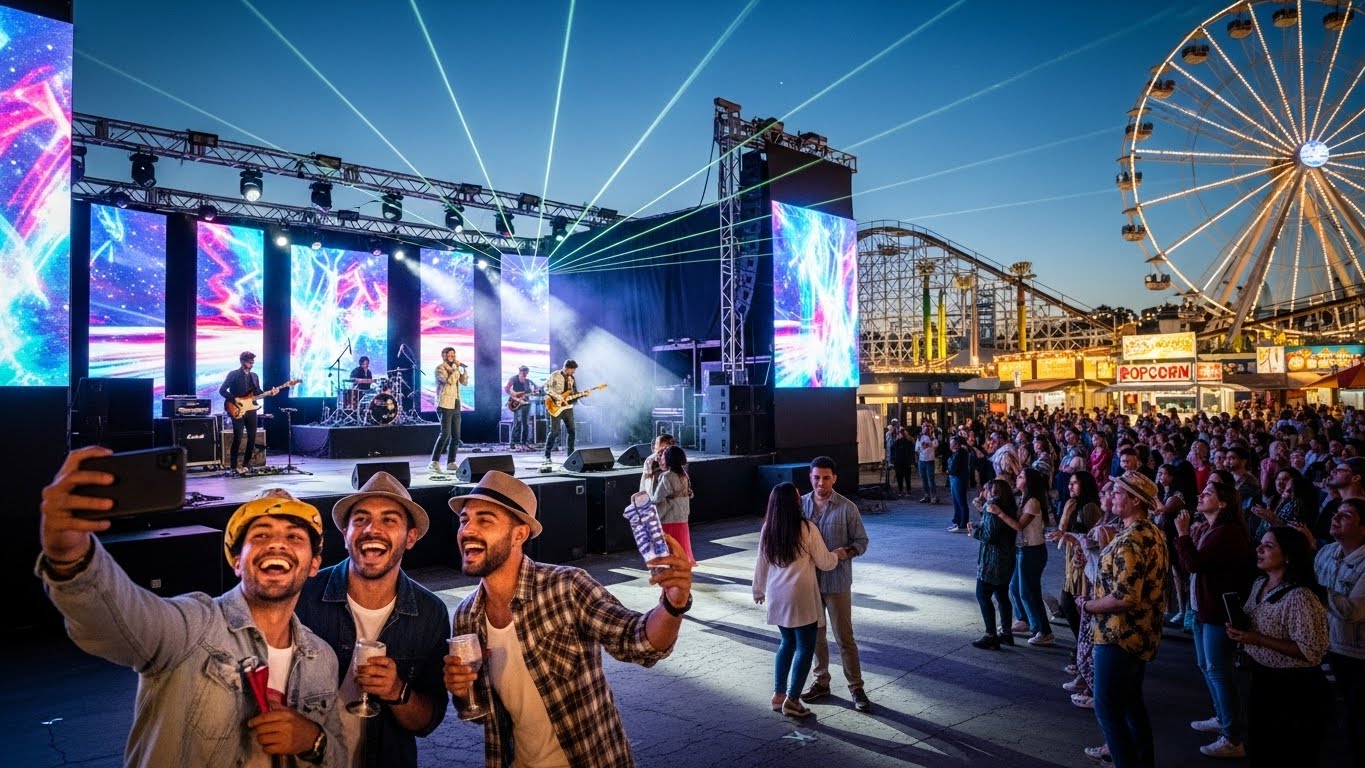
Live streaming has become another significant part of the entertainment landscape. Whether it’s a live concert, a Twitch gaming stream, or an Instagram Live Q&A, real-time engagement with an audience has opened up new possibilities for content creators and entertainers. Social media has made entertainment more interactive and dynamic, allowing for immediate feedback and real-time connections with fans.
The Future of Entertainment: What’s Next?
As technology continues to evolve, the entertainment industry will keep pushing boundaries and finding new ways to engage audiences. Some of the most exciting trends to watch in the future include:
Artificial Intelligence in Entertainment
Artificial intelligence (AI) is starting to play a role in shaping entertainment experiences. AI algorithms are already used to recommend content based on user preferences, but in the future, AI could be used to generate content, from music to movies, or even create personalized storylines based on individual tastes. AI could also enhance gaming by creating more realistic and responsive virtual characters and environments.
Blockchain and Digital Ownership
Blockchain technology is gaining traction in the entertainment world as it offers the potential for more secure and transparent ways to distribute and monetize content. In particular, blockchain could change the way content creators and consumers interact by enabling the direct sale of digital goods and media, ensuring artists and creators are compensated fairly. The use of NFTs (non-fungible tokens) for digital art and collectibles is already making waves, and it could expand into other entertainment sectors.
Augmented Reality and Mixed Reality
Augmented reality (AR) and mixed reality (MR) are poised to take entertainment to new heights. With AR, users can interact with virtual elements overlaid on the real world through their smartphones or AR glasses. This could transform gaming, live performances, shopping, and even theme parks. Mixed reality, which blends physical and virtual environments, could revolutionize how we experience entertainment, offering more interactive and personalized experiences.
The Metaverse: A New Frontier for Entertainment
The concept of the metaverse, a collective virtual shared space, is gaining significant attention in the tech and entertainment worlds. In the metaverse, people will be able to socialize, work, play, and engage with entertainment in entirely new ways. From virtual concerts to digital theme parks and interactive games, the metaverse promises to offer a completely immersive entertainment experience that combines elements of virtual reality, social media, and gaming.
Conclusion
Entertainment is no longer just about watching a movie or listening to music; it’s a vast, ever-changing landscape that includes a wide array of experiences. From streaming services to gaming, interactive media, and the rise of social media influencers, entertainment is evolving at a rapid pace. As technology continues to develop, we can expect even more immersive, personalized, and dynamic forms of entertainment to emerge. Whether it’s through virtual reality, AI-driven content, or the metaverse, the future of entertainment holds limitless potential for creativity, engagement, and innovation.