Beyond the Spotlight How Entertainment Shapes Culture, Creativity, and Connection
Introduction The Ever-Evolving World of Entertainment
Entertainment has been an essential part of human life for centuries, offering escape, joy, and a sense of community. From ancient storytelling and theater performances to modern cinema, music, and digital content, entertainment reflects the creativity, values, and aspirations of societies. It is more than just a pastime; it influences culture, shapes perceptions, and connects people across generations and geographies.
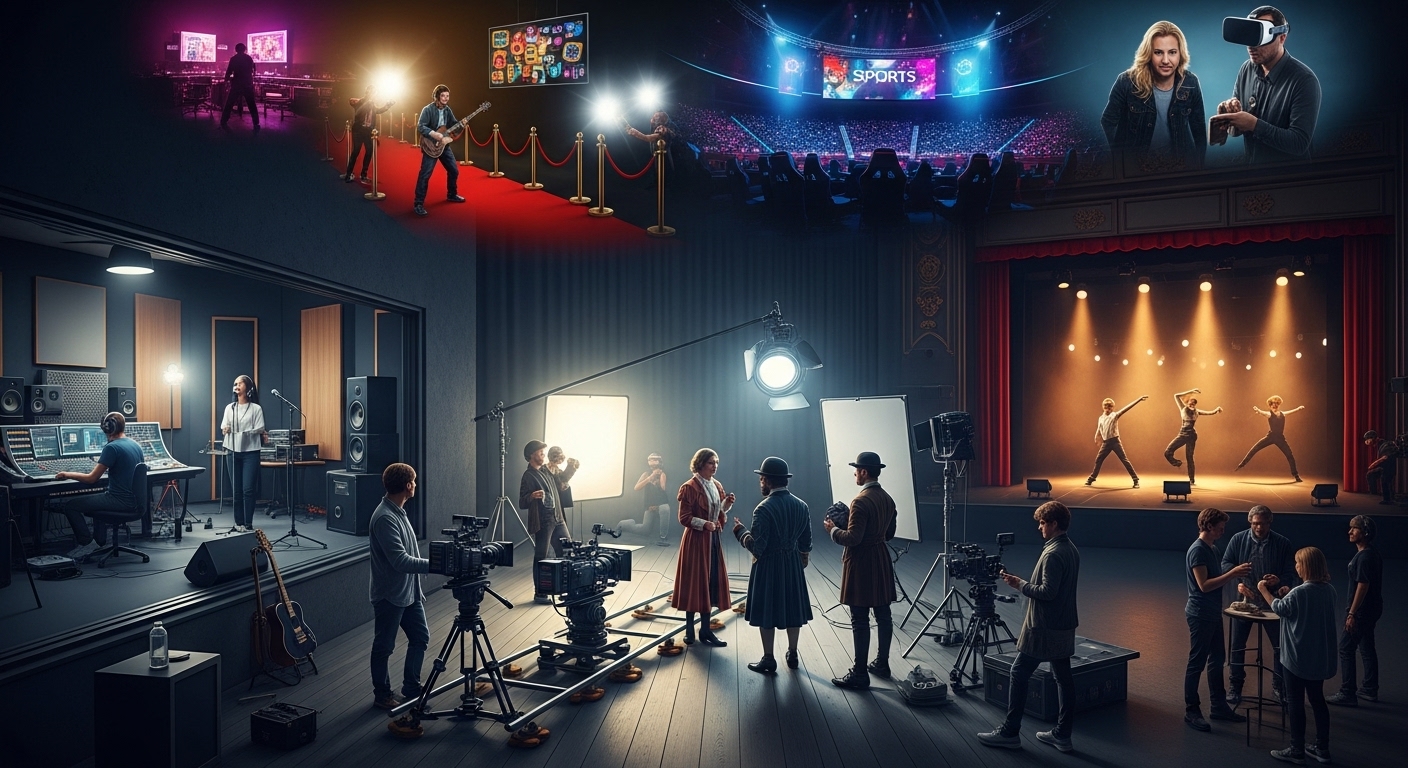
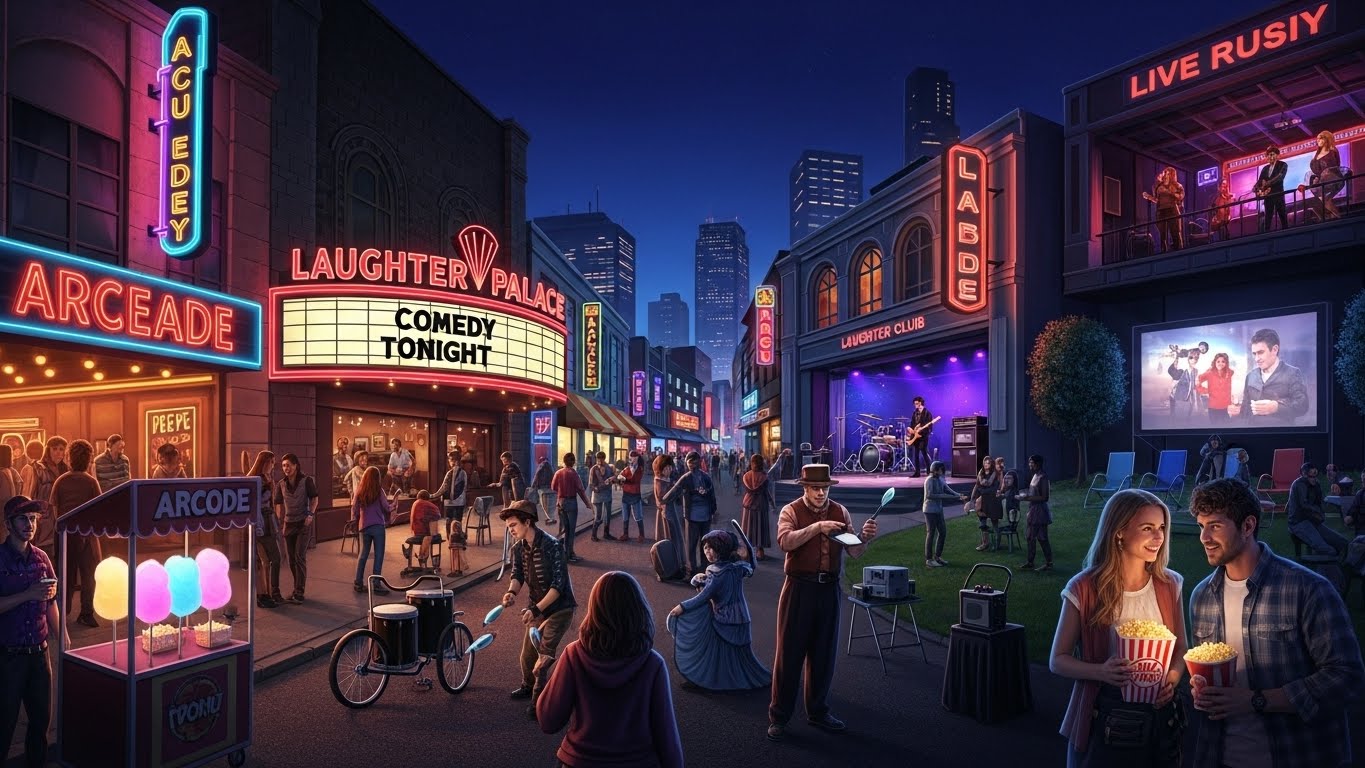
In today’s fast-paced world, entertainment spans a variety of mediums and formats. It evolves with technology, audience preferences, and cultural trends, creating experiences that are immersive, interactive, and often transformative. This blog explores the dynamic world of entertainment, its history, its impact, and why it remains a central pillar of human experience.
The History of Entertainment From Ancient Traditions to Modern Media
Entertainment has existed since the earliest civilizations. Ancient societies relied on storytelling, music, dance, and theater to convey myths, history, and values. Plays in Greece, gladiatorial games in Rome, and traditional performances in Asia were early examples of organized entertainment that brought communities together.
The invention of printing, radio, and later cinema introduced new ways for entertainment to reach wider audiences. The 20th century brought television, recorded music, and video games, revolutionizing how people consumed entertainment. Today, digital platforms, streaming services, and interactive media continue to expand the possibilities of how entertainment is experienced globally.
Music The Universal Language of Emotion
Music is one of the oldest forms of entertainment, transcending cultures and languages. It evokes emotions, tells stories, and connects people through rhythm and melody. From classical compositions to contemporary pop, music reflects societal trends, personal experiences, and cultural identity.
Live concerts, music festivals, and online streaming platforms have transformed how audiences interact with music. Technology allows fans to access global music instantly, explore diverse genres, and even participate in creating content. Music is not just entertainment; it is a powerful emotional and cultural connector.
Film and Television Storytelling Through Visual Art
Film and television have become dominant forms of entertainment, combining storytelling, performance, and visual artistry. Movies allow audiences to experience different worlds, emotions, and perspectives, while television brings ongoing narratives into daily life.
The film industry has evolved from silent movies to blockbusters with advanced CGI, immersive sound, and high-definition visuals. Television has shifted from scheduled programming to on-demand streaming, giving viewers control over what, when, and how they watch. These mediums not only entertain but also educate, inspire, and influence societal conversations.
Digital Entertainment The Rise of Interactive Experiences
Digital entertainment, including video games, virtual reality, and interactive content, has transformed the way people engage with media. Unlike passive forms of entertainment, digital platforms allow audiences to participate actively, make choices, and shape their experiences.
Video games, for example, combine storytelling, strategy, and skill-based challenges. Virtual reality and augmented reality offer immersive experiences, transporting users to entirely new worlds. Digital entertainment continues to push boundaries, merging technology, creativity, and interactivity to redefine what it means to be entertained.
Live Events and Performances Creating Shared Experiences
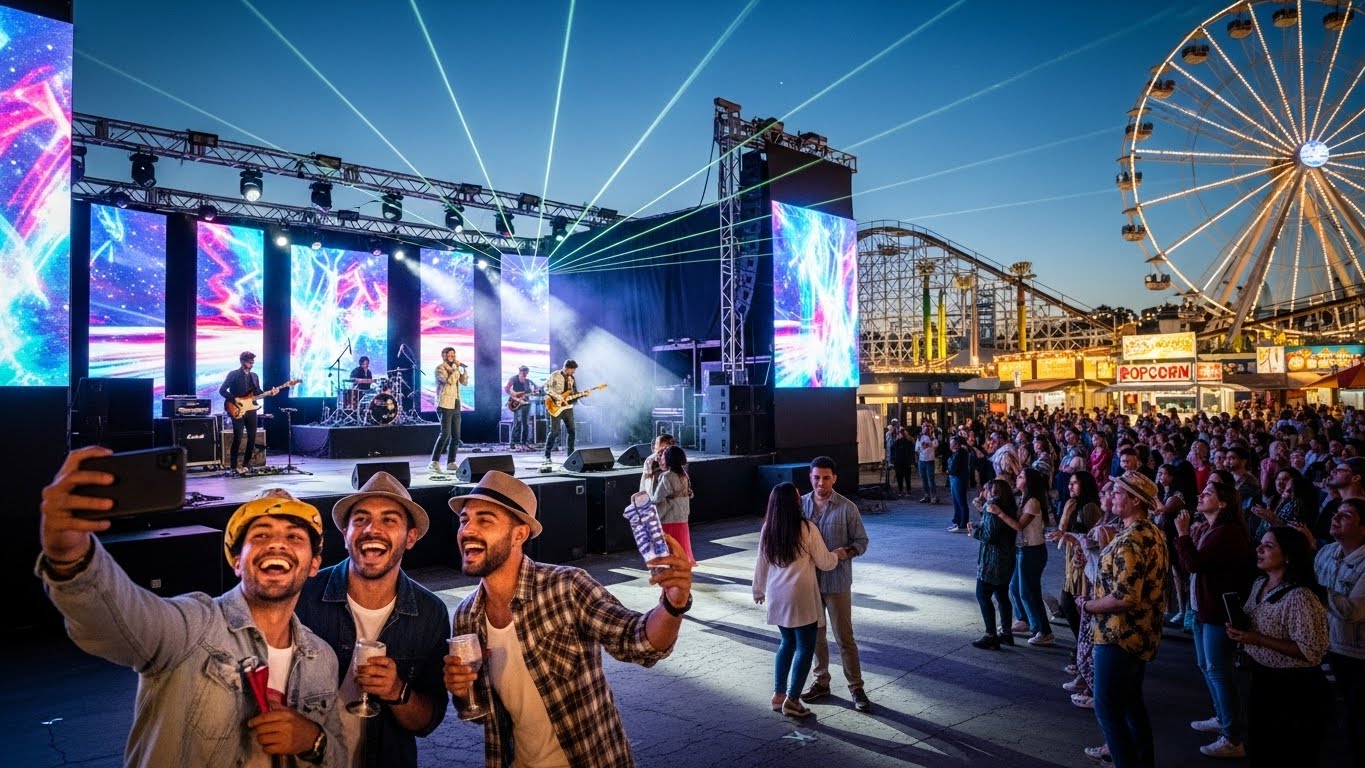
Live events such as theater, concerts, sports, and festivals offer unique experiences that cannot be replicated digitally. These gatherings create a sense of community, excitement, and collective energy. Audiences experience emotions in real-time, connecting with performers and fellow spectators in meaningful ways.
From Broadway shows to music festivals, live entertainment remains a powerful way to celebrate creativity and culture. Even with technological advancements, the human connection fostered by shared live experiences continues to make this form of entertainment special.
The Role of Celebrities and Influencers
Celebrities and influencers play a significant role in shaping entertainment culture. They inspire trends, influence opinions, and provide aspirational figures for audiences worldwide. Actors, musicians, athletes, and content creators are not only entertainers but also cultural icons who reflect societal values and aspirations.
With the rise of social media, influencers engage directly with audiences, sharing behind-the-scenes content, opinions, and personal stories. This interaction creates a new form of entertainment that is participatory, relatable, and constantly evolving.
Entertainment as a Reflection of Society
Entertainment often mirrors societal norms, issues, and changes. Movies, television shows, music, and games reflect cultural values, political themes, and social movements. They provide commentary on human behavior, ethical dilemmas, and global challenges.
Through satire, drama, and storytelling, entertainment encourages audiences to think critically, empathize with others, and consider different perspectives. It serves as both a mirror and a lens through which society views itself and the world.
Educational and Inspirational Aspects of Entertainment
Entertainment is not solely about amusement; it also educates and inspires. Documentaries, educational programs, and informative content teach audiences about history, science, culture, and current events.
Inspirational stories in films, music, and literature motivate individuals to pursue their dreams, overcome challenges, and explore creativity. By combining engagement with learning, entertainment can influence behavior, foster curiosity, and contribute to personal growth.
Technology and the Transformation of Entertainment
Technology has revolutionized the entertainment industry in unprecedented ways. Streaming services, virtual reality, augmented reality, artificial intelligence, and cloud computing have changed how content is produced, distributed, and consumed.
Audiences now have access to global content instantly. Interactive features allow viewers to engage with stories, vote on outcomes, and participate in communities. Technology also enables creators to experiment with new formats, blending reality with imagination to create experiences that were unimaginable just decades ago.
The Impact of Entertainment on Mental Health and Wellbeing
Entertainment provides an essential outlet for stress relief, relaxation, and emotional connection. Music can soothe anxiety, movies can provide escapism, and games can offer challenge and achievement.
Participating in entertainment, whether through viewing, listening, or creating, can improve mood, enhance cognitive abilities, and foster social interaction. Responsible engagement with entertainment helps maintain balance and mental wellbeing in a demanding world.
The Economic Influence of the Entertainment Industry
The entertainment industry is a massive economic force, generating revenue through ticket sales, streaming subscriptions, merchandise, advertising, and sponsorships. It creates millions of jobs worldwide, from performers and creators to technical teams, marketers, and production staff.
The industry’s growth continues as new technologies, platforms, and content forms emerge. Its economic impact extends beyond revenue, influencing tourism, fashion, consumer products, and even technology development.
Challenges in the Entertainment Industry
Despite its successes, the entertainment industry faces challenges. Piracy, copyright infringement, and content saturation are ongoing issues. Additionally, creators must navigate ethical concerns, cultural sensitivities, and audience expectations.
Technological dependence also introduces challenges, such as ensuring accessibility, preventing digital fatigue, and maintaining quality experiences. Overcoming these challenges requires innovation, adaptability, and responsible practices within the industry.
The Future of Entertainment
The future of entertainment is intertwined with technological innovation, creativity, and cultural evolution. Virtual reality, augmented reality, artificial intelligence, and immersive experiences will redefine storytelling and audience engagement.
Entertainment will continue to blur boundaries between passive consumption and active participation, providing more personalized, interactive, and meaningful experiences. Globalization and digital connectivity will enable cross-cultural collaboration, expanding the reach and impact of entertainment across the world.
Conclusion Celebrating the Power of Entertainment
Entertainment is far more than amusement; it is a reflection of human creativity, emotion, and culture. It educates, inspires, connects, and influences society in profound ways. From music and movies to games and live performances, entertainment continues to evolve with technology and audience preferences, offering experiences that challenge, delight, and move us.
As audiences and creators continue to explore new forms of engagement, entertainment will remain an essential aspect of human life, shaping imagination, fostering connection, and celebrating the endless possibilities of creativity.