Entertainment in the 21st Century: A World Transformed by Technology
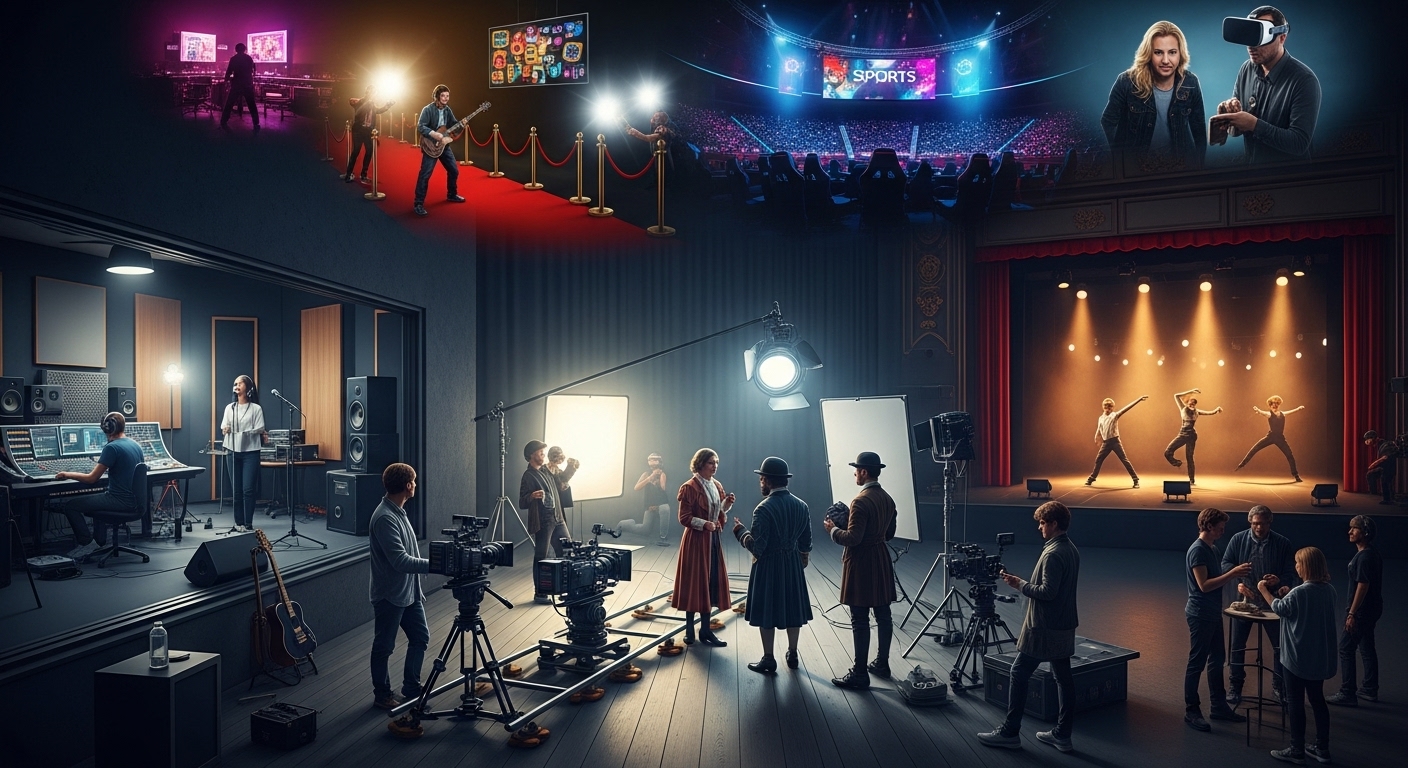
Entertainment has always been a key aspect of human life. From ancient rituals and storytelling around campfires to the dazzling lights of modern cinema, it has been an essential way for people to connect, relax, and escape the mundane. Yet, over the past few decades, the world of entertainment has undergone a monumental shift, driven by the rapid evolution of technology. This transformation has redefined how we consume content, interact with creators, and experience new forms of media. What was once confined to traditional channels like television, cinema, and radio is now an expansive, multifaceted landscape that extends across multiple platforms, all thanks to the power of digital innovation.
In this blog post, we will explore how technology has revolutionized the entertainment industry, how it is reshaping the way we enjoy and engage with content, and what the future of entertainment may look like as we continue to navigate a digital-first world.
The Traditional Entertainment Model: A Glimpse of the Past
Before the digital age arrived, entertainment was largely confined to traditional media channels, such as television, radio, and cinema. These forms of entertainment were widely accessible and played a central role in daily life. Movies were watched at local theaters, families gathered around the TV to watch their favorite shows, and radio broadcasts entertained people during long commutes or while at home.
The golden age of Hollywood, for instance, produced some of the most iconic films and stars the world has ever known. Cinema was an event—a communal experience where people came together to share a story. Films like Gone with the Wind and Casablanca were more than just movies; they were cultural touchstones. Likewise, television shows like The Twilight Zone and I Love Lucy brought families together and defined the entertainment experience for an entire generation. Even radio, which had its heyday before television and cinema, offered storytelling through drama, music, and news, keeping people connected to their world.
However, this traditional model was limited by time and space. You had to tune in to a specific show at a specific time, or you would miss it. Cinema was often an expensive outing, and only those who had access to a TV or radio could enjoy the content. In many ways, entertainment was something that was produced and controlled by a small group of studios and networks, offering a one-size-fits-all experience for global audiences.
The Rise of Digital Technology: A Paradigm Shift
With the advent of the internet and digital technology, the landscape of entertainment began to shift dramatically. Streaming services like Netflix, Amazon Prime, and Hulu emerged, allowing people to watch TV shows and movies on-demand from the comfort of their homes. This was a game-changer. Gone were the days of waiting for a TV show to air on a specific day or watching movies only at theaters. Instead, audiences could choose what to watch, when to watch it, and even binge entire seasons of a series in one sitting.
The advent of streaming not only disrupted the traditional broadcasting and cinema industries but also opened up new possibilities for content creation. Streaming platforms invested heavily in original programming, producing high-quality shows and films that catered to niche audiences. The success of series like Stranger Things and The Crown showed that streaming platforms could not only compete with traditional networks but also surpass them in terms of both content quality and viewer engagement.
In parallel, the rise of digital content distribution also paved the way for user-generated content. Platforms like YouTube, TikTok, and Instagram allowed anyone with a smartphone or camera to become a content creator, sharing videos, music, comedy, and even full-length films with global audiences. This democratization of entertainment has changed the way we consume media. Instead of relying on large studios or networks, viewers now have access to an almost infinite array of content from creators around the world. This has led to a boom in independent films, vlogs, tutorials, and a new generation of social media influencers who have become some of the most influential voices in entertainment today.
Social Media and the Influence of Content Creators
In the past, entertainers and celebrities were typically only accessible through TV shows, movies, and music albums. But today, thanks to social media platforms like Instagram, YouTube, and TikTok, creators have more control over their careers than ever before. Social media influencers—people who build large followings by creating relatable, entertaining, or informative content—have become the new faces of entertainment. From beauty gurus and fitness trainers to gamers and comedians, social media influencers have redefined what it means to be a star in the 21st century.
The rise of these new forms of celebrity has fundamentally shifted the power dynamics in the entertainment industry. Unlike traditional media, where stars were often created and controlled by studios and networks, social media stars build their fanbase organically, interacting directly with their audiences and creating content that reflects their interests and personalities. This has made entertainment more accessible, personal, and interactive than ever before.
What’s more, social media platforms like TikTok allow users to create viral content that reaches millions of viewers in a matter of hours. This instantaneous access to large audiences has made fame and influence more attainable, particularly for younger generations. Many influencers have turned their social media followings into full-fledged businesses, launching merchandise lines, books, and even creating their own production companies.
The Role of Video Games in Modern Entertainment
While streaming services and social media have reshaped television and film, video games have become a central force in shaping the entertainment industry. In fact, the video game industry has surpassed both movies and music in terms of revenue, making it one of the largest entertainment sectors in the world.
Modern video games offer much more than just a form of escapism. They have evolved into immersive, interactive experiences that combine art, storytelling, and technology. Games like The Last of Us and Red Dead Redemption are celebrated not just for their gameplay but also for their cinematic qualities, engaging narratives, and emotional depth. These games offer an experience that is both deeply personal and universally relatable, making them a powerful medium for storytelling.
Furthermore, the rise of esports and live-streamed gaming on platforms like Twitch has turned gaming into a spectator sport. Players can now watch professional gamers compete in tournaments that rival traditional sports in terms of viewership and prize money. Esports has become a massive industry, attracting sponsorships, dedicated arenas, and global audiences. Gaming has gone from being a solitary pastime to a shared experience that fosters community and competition.
Additionally, the integration of virtual reality (VR) and augmented reality (AR) into gaming has taken immersion to new heights. With VR headsets, players can step into entirely new worlds and experience games in ways that were once unimaginable. As these technologies continue to improve, we can expect gaming to continue to push the boundaries of interactive entertainment.
The Future of Entertainment: Immersive, Interactive, and Personalized
Looking ahead, the future of entertainment is increasingly shaped by advances in technology. Immersive experiences, fueled by VR, AR, and AI, are likely to dominate the landscape. Imagine attending a concert where you are virtually present in the crowd, interacting with other fans, or watching a movie that responds to your choices, allowing you to shape the plot in real-time. These types of experiences, once confined to the realm of science fiction, are quickly becoming a reality.
Personalization is another key aspect of the future of entertainment. Algorithms already power content recommendations on platforms like Netflix and YouTube, helping users discover new content based on their preferences. In the future, AI-driven systems may be able to curate highly personalized entertainment experiences that adapt to individual tastes in real-time, offering recommendations that are even more accurate and tailored to each user’s mood, time of day, or interests.
Interactive storytelling is another exciting development on the horizon. As the technology behind video games, VR, and AR continues to improve, we may see entertainment experiences that merge these elements with traditional forms of media, such as movies and TV shows. Imagine watching a movie where you can influence the plot, interact with the characters, and explore different outcomes based on your choices. This type of storytelling could redefine how we experience narrative media.
Moreover, with the continued growth of social media, the entertainment industry will likely become even more interactive. Fans will be able to engage with creators in new and exciting ways, offering feedback, participating in live-streamed events, or even co-creating content with their favorite influencers. This shift toward community-driven content creation will continue to blur the lines between professional and amateur entertainment, offering audiences an unprecedented level of access and involvement.
Conclusion: The Boundless Possibilities of a Digital Future
The entertainment industry has always been about creating experiences that connect us to stories, emotions, and each other. As we move further into the digital age, these experiences are becoming more interactive, personalized, and immersive than ever before. Technology is reshaping not only how we consume entertainment but also how we create, engage, and interact with it.
From the rise of streaming services to the explosion of social media influencers, from the continued dominance of video games to the immersive worlds of VR and AR, the future of entertainment is an exciting, ever-evolving landscape. What was once confined to traditional forms of media is now a dynamic, interconnected world where anything is possible. The possibilities are endless, and as technology continues to advance, so too will the ways in which we experience the world of entertainment. The future is bright, and it promises to be more engaging, more interactive, and more personalized than ever before.