Entertainment Reloaded: The Power, Influence, and Evolution of Modern Fun

Entertainment is more than just a pastime—it is an integral part of human culture, shaping the way we think, interact, and express ourselves. From storytelling around ancient fires to modern streaming platforms and immersive digital experiences, entertainment has evolved dramatically, reflecting societal changes and technological advancements. It informs trends, inspires creativity, and fosters connections between people across the globe. This blog explores the essence of entertainment, its evolution, its impact on society, and what the future holds.
Understanding Entertainment: Beyond Fun
Entertainment is often simplified as something enjoyable, but it is much more complex. At its core, entertainment engages the human mind and emotions. It provides an escape from reality, stimulates creativity, and fosters social interaction. Entertainment can evoke laughter, tears, curiosity, or excitement, making it a powerful force in everyday life.
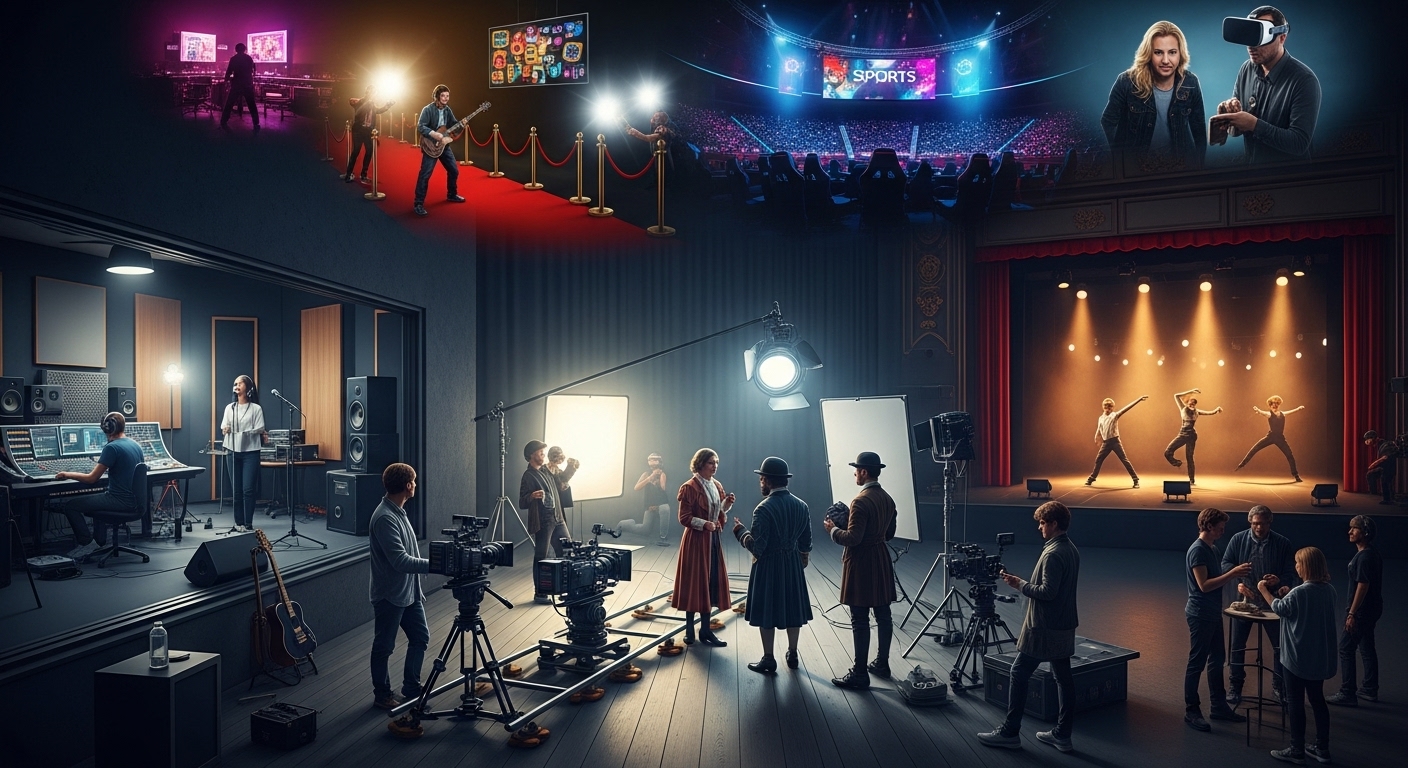
It comes in countless forms: music, movies, theater, sports, video games, literature, and live performances. Each form of entertainment serves unique purposes, yet all share the goal of engaging audiences, sparking emotions, and providing memorable experiences.
A Glimpse Into the History of Entertainment
Entertainment has existed for thousands of years. Ancient societies used storytelling, dance, music, and games to communicate, educate, and bring communities together. Greek and Roman civilizations popularized theater and public performances, which served as both art and social commentary.
The invention of the printing press introduced literature as a new form of entertainment, while the 20th century brought radio, cinema, and television, expanding access to mass audiences. Each technological advancement transformed how people consumed entertainment and interacted with content, paving the way for today’s digital era.
The Digital Transformation of Entertainment
The digital age has revolutionized the entertainment landscape. Streaming platforms, video-sharing apps, and online games have changed the way we watch, listen, and play. Content is now accessible anytime, anywhere, giving audiences unprecedented control over their entertainment experiences.
Social media platforms have also transformed entertainment by allowing creators to connect directly with their audience. Viral videos, memes, and live streams engage millions in real time, creating new forms of shared experience and global cultural influence.
The Psychological Appeal of Entertainment
Why do people crave entertainment? The answer lies in psychology. Entertainment stimulates dopamine, the brain chemical responsible for pleasure and reward, making it inherently engaging. It also provides an escape from daily stress, allowing individuals to relax and recharge.
Stories, music, and games evoke emotions and mirror human experiences, helping audiences process their own feelings. Entertainment also satisfies curiosity and imagination, offering new worlds, ideas, and perspectives.
Entertainment as a Cultural Force
Entertainment is both a reflection and a driver of culture. Films, music, and digital content often address societal issues, challenge norms, and inspire social change. Popular trends influence fashion, language, and lifestyle choices, while iconic characters and narratives become cultural touchstones.
Communities form around shared entertainment experiences. Movie franchises, sports leagues, and music genres foster fandoms and social interactions that transcend geographical and cultural boundaries, uniting people through shared passions.
Music and Its Timeless Impact
Music is one of the most universal forms of entertainment. It transcends language, geography, and culture. From classical compositions to modern pop, music influences emotions, behaviors, and social movements.
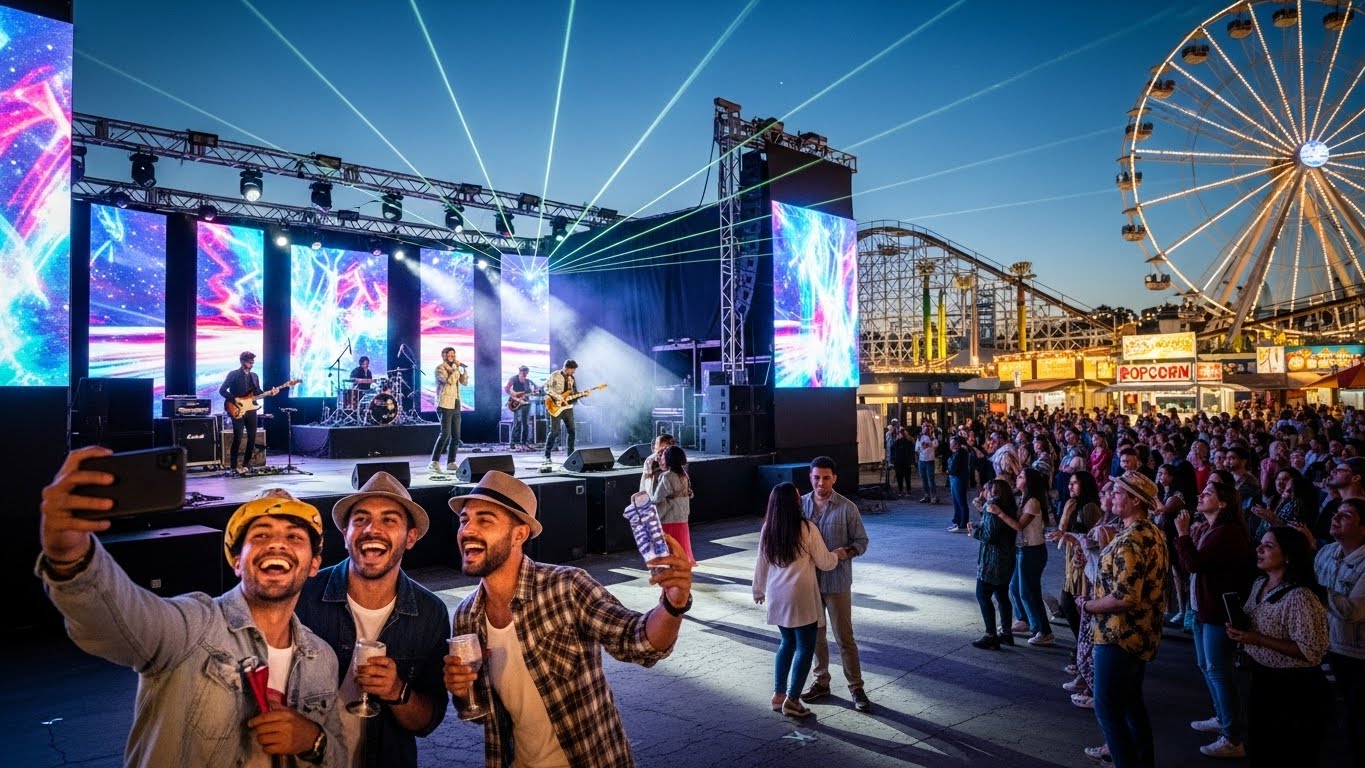
Live concerts and festivals enhance the social experience, allowing audiences to share moments collectively. Music streaming has further transformed accessibility, allowing listeners to explore endless genres and discover new artists from around the world.
Movies and Storytelling in Entertainment
Movies are a central pillar of entertainment. They combine storytelling, visuals, and sound to create immersive experiences that resonate emotionally. Cinema reflects societal values, explores human emotions, and often inspires audiences to think critically about the world.
The rise of digital platforms has changed film consumption. Audiences can now watch films at home, choose their viewing times, and engage in interactive content, blending traditional storytelling with modern flexibility.
Gaming as a Form of Entertainment
Gaming has emerged as a dominant form of entertainment. Video games offer interactive narratives, challenges, and social experiences. They engage players intellectually and emotionally while providing a sense of achievement and exploration.
Esports and competitive gaming have transformed the industry into a professional arena. Gamers now pursue careers, sponsorships, and global recognition, illustrating how entertainment can evolve into both art and profession.
The Role of Literature and Theater
Books and theater remain powerful forms of entertainment. Literature allows for deep intellectual engagement, while theater offers a live, shared experience that evokes emotion and reflection. Both forms preserve cultural traditions, foster creativity, and offer unique storytelling techniques.
Live performances, from plays to musicals, create immediacy and connection. Audiences experience events in real time, sharing emotions and reactions with both performers and fellow viewers.
Sports: Entertainment in Motion
Sports combine competition, skill, and spectacle. They entertain millions worldwide while promoting physical fitness, teamwork, and community pride. Major events like the Olympics, World Cup, or national leagues captivate global audiences, creating collective excitement and engagement.
Sports entertainment extends beyond the game itself, influencing fashion, media, and digital content. Commentary, analysis, and fan interaction enhance the overall experience, making sports a multi-dimensional form of entertainment.
The Business of Entertainment
Entertainment is a massive global industry generating billions of dollars annually. Movies, music, gaming, streaming, live events, and merchandise contribute to economic growth and job creation. Companies invest in production, marketing, and technology to deliver high-quality experiences to diverse audiences.
Digital platforms have shifted business models, emphasizing subscriptions, online engagement, and personalized content. Success now relies on audience interaction, creativity, and the ability to adapt to changing trends and technology.
Social Interaction Through Entertainment
Entertainment fosters social connections. Watching films with friends, attending concerts, playing multiplayer games, or discussing favorite shows online builds bonds and shared experiences. Social interaction adds emotional value to entertainment, enhancing enjoyment and community belonging.
Online communities and fan groups expand social networks, connecting people worldwide. Through these interactions, entertainment becomes more than a personal activity—it transforms into a collective experience that influences identity and culture.
Entertainment and Mental Well-being
Engaging with entertainment positively affects mental health. Music, movies, and games provide relaxation, stress relief, and emotional expression. They stimulate creativity, improve mood, and encourage reflection.
However, moderation is essential. Excessive consumption can lead to distraction, social withdrawal, or emotional dependence. Balancing entertainment with other aspects of life ensures it remains enriching and beneficial.
The Technological Future of Entertainment
The future of entertainment is intertwined with technology. Virtual reality and augmented reality offer fully immersive experiences that engage multiple senses. Artificial intelligence enhances personalized content recommendations, creating customized experiences for each audience.
Interactive media, cloud gaming, and digital streaming will continue to redefine accessibility and interactivity. Entertainment is no longer limited by location, time, or format. Technology empowers creators and audiences alike, expanding the boundaries of imagination.
Entertainment as Art and Expression
Modern entertainment is recognized as an art form. Films, games, music, and live performances combine creativity, innovation, and emotional storytelling. Entertainment allows both creators and audiences to explore identity, culture, and shared human experiences.
Interactivity is what sets entertainment apart from other art forms. Audiences participate, make choices, and influence experiences, creating personal and memorable moments that extend beyond passive observation.
Conclusion
Entertainment is far more than leisure; it is a reflection of culture, creativity, and human connection. It informs trends, shapes social experiences, and inspires imagination. From ancient storytelling to digital innovation, entertainment continues to evolve, offering endless ways for people to engage, learn, and bond.
Music, movies, games, literature, sports, and live performances all contribute to a rich tapestry of experiences that entertain, educate, and inspire. They connect us to others, foster creativity, and provide a much-needed escape from daily life.
In the modern world, entertainment is not merely a luxury—it is a vital part of our social, emotional, and cultural lives. It reminds us of the power of stories, the joy of shared experiences, and the limitless potential of human imagination. Entertainment, in all its forms, will continue to shape our lives and culture for generations to come.