Entertainment Unplugged: How Fun Shapes Our Lives and Culture
Entertainment is an inseparable part of human existence. It has evolved alongside civilization, reflecting the creativity, aspirations, and emotions of people across time. From storytelling around campfires to immersive digital experiences, entertainment has always served as a mirror of society while offering an escape from daily life. In today’s fast-paced, technology-driven world, entertainment has become more accessible, diverse, and influential than ever before. It shapes culture, inspires creativity, connects people, and provides moments of joy. This blog explores the different forms of entertainment, their impact, and why they remain essential in modern life.
The Historical Evolution of Entertainment
Human beings have always sought amusement and creative expression. Ancient societies engaged in communal entertainment such as storytelling, music, dance, and theater performances. These activities served multiple purposes: they educated, entertained, and strengthened social bonds. Epic tales, mythological plays, and ceremonial dances conveyed values and history, keeping communities connected.
With the development of printing, literature became a powerful source of entertainment. Books allowed individuals to explore worlds beyond their own experiences. Later, the invention of the radio and cinema brought entertainment into homes, creating shared cultural moments for entire communities. Television transformed family life by making entertainment a daily ritual, providing both diversion and education.
In modern times, entertainment has transcended physical boundaries. Digital technology has made it possible to enjoy movies, music, games, and interactive experiences anywhere, anytime. This evolution demonstrates that while the forms of entertainment change, the human desire for amusement and engagement remains constant.
The Impact of Streaming Services
Streaming platforms have revolutionized the way we consume entertainment. Unlike traditional television or movie theaters, streaming offers instant access to vast libraries of content. People can watch movies, series, documentaries, and even live events at their convenience, choosing what, when, and how they want to view it.
The accessibility of streaming services has also influenced storytelling. Series are often designed for binge-watching, with intricate plots, character development, and multi-season arcs that engage viewers on a deeper level. Additionally, streaming platforms promote diversity by showcasing international content, niche genres, and independent productions that might not find space in mainstream cinema. This variety ensures that everyone, regardless of taste, can find content that resonates with them.
Gaming: Entertainment as Immersion
Video games have transformed from simple pastimes into complex, immersive experiences. Today’s games combine advanced graphics, storytelling, and multiplayer interaction, creating engaging digital worlds. Gaming is no longer just about fun; it has become a tool for social connection, skill development, and even emotional expression.
Players can explore virtual landscapes, solve puzzles, and collaborate with friends or strangers worldwide. This combination of creativity and challenge appeals to a wide audience. Moreover, competitive gaming, or esports, has grown into a global industry, showcasing the talent, strategy, and dedication required to excel. Games also provide emotional release, allowing players to immerse themselves in narratives that evoke excitement, fear, joy, or empathy.
Music: Timeless and Transformative
Music has always been one of the most universal forms of entertainment. It transcends language, culture, and geography, connecting people on an emotional level. Music entertains, soothes, inspires, and energizes. In the digital era, music is more accessible than ever, with streaming services and digital libraries enabling listeners to curate personalized playlists for every mood and occasion.
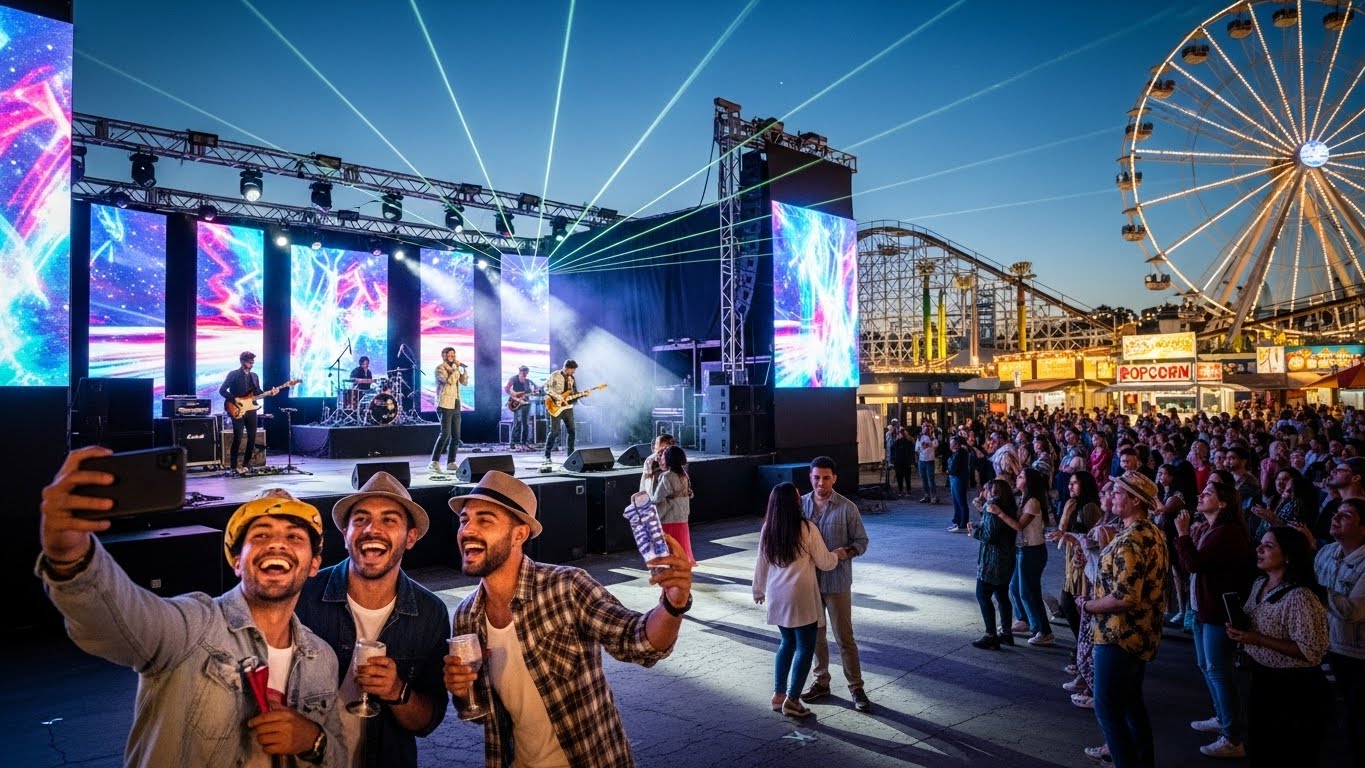
Live music continues to hold a unique appeal. Concerts are not only performances but also shared experiences that create lasting memories. Even virtual concerts have become popular, allowing fans worldwide to experience performances simultaneously. Music, whether experienced live or digitally, remains a powerful tool for emotional expression and social connection.
Social Media: Entertainment in Everyday Life
Social media has redefined entertainment by turning everyday life into content. Short videos, memes, live streams, and challenges provide instant amusement and engagement. Platforms allow users to express creativity, humor, and personal experiences while building communities around shared interests.
The rise of influencers and content creators has transformed the dynamics of fame. Unlike traditional celebrities, social media personalities often feel relatable and authentic, sharing their lives with audiences in real time. Social media entertainment is interactive, giving viewers the ability to participate, comment, and influence trends. This form of entertainment reflects the evolving relationship between creators and audiences in the digital age.
Cinema and Television: Stories That Resonate
Films and television remain central pillars of entertainment, offering stories that entertain, educate, and inspire. Movies provide immersive experiences, transporting audiences into fictional or historical worlds. Television series allow viewers to form long-term connections with characters and storylines, creating ongoing emotional investment.
Modern filmmakers experiment with genre, narrative style, and visual effects to create unique experiences. These stories reflect social issues, cultural dynamics, and human emotions, offering both enjoyment and reflection. Cinema and television continue to captivate audiences because they combine storytelling, visual art, and performance in ways that resonate deeply with human imagination.
Live Performances: The Power of Presence
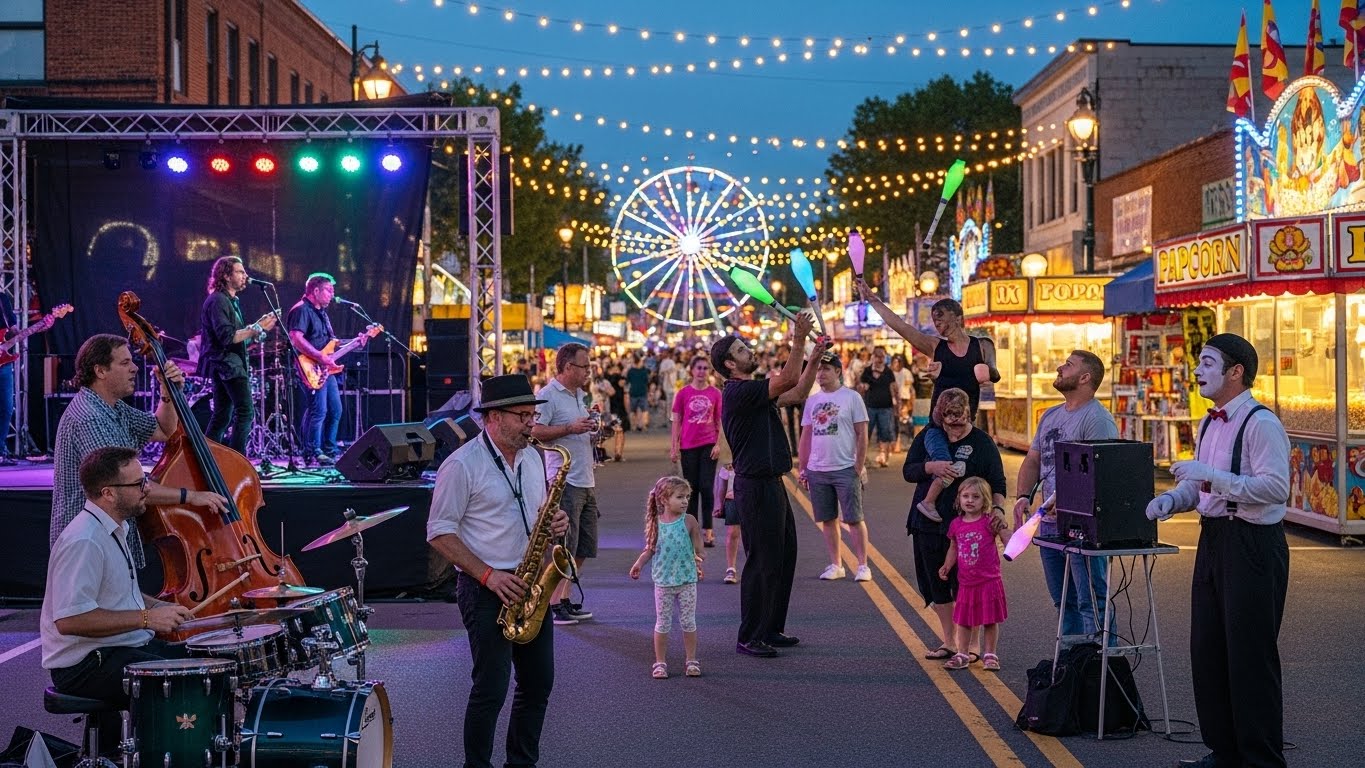
Despite the rise of digital entertainment, live performances remain unmatched in their ability to engage audiences. Theater, comedy, dance, and music performances create shared experiences that cannot be replicated on a screen. The energy of a live audience and the spontaneity of the performance make these events unique and memorable.
Live entertainment fosters connection between performers and viewers. A single laugh, tear, or cheer shared among a crowd creates a sense of unity. The human presence in live performances adds depth to artistic expression, reminding audiences that entertainment is fundamentally about connection and shared experience.
Entertainment as a Mental and Emotional Escape
In the fast-paced modern world, entertainment provides a necessary escape. Watching a comedy, playing a video game, listening to music, or attending a performance allows individuals to relax, recharge, and shift their focus. Entertainment can reduce stress, spark creativity, and improve emotional well-being.
Stories and immersive experiences stimulate imagination, encouraging individuals to think differently and explore new perspectives. Entertainment serves as a safe space to process emotions, confront challenges indirectly, and engage with ideas beyond everyday life. It is a critical tool for mental and emotional balance in a demanding world.
Cultural Influence of Entertainment
Entertainment shapes culture and reflects societal values. Movies, music, and games influence fashion, language, behavior, and social trends. Popular media often becomes part of collective memory, creating shared experiences across generations.
Moreover, entertainment facilitates cross-cultural understanding. Global access to films, music, and games exposes audiences to diverse traditions, ideas, and narratives. This cultural exchange fosters empathy, broadens perspectives, and promotes appreciation for diversity. Entertainment not only reflects society but also has the power to shape it.
The Future of Entertainment
The future of entertainment promises greater immersion and innovation. Technologies like virtual reality, augmented reality, and artificial intelligence are transforming how people experience stories, music, and games. Audiences may one day step inside narratives, interact with characters, and influence outcomes in real time.
Despite technological advances, the core purpose of entertainment remains unchanged: it evokes emotion, inspires creativity, and connects people. The medium may evolve, but the human desire for joy, engagement, and expression will always drive the demand for entertainment.
Why Entertainment Matters
Entertainment is more than a pastime; it is an essential aspect of life. It provides joy, inspiration, relaxation, and connection. Entertainment enriches our experiences, offers perspective, and fosters creativity. It connects people across cultures and generations, creating shared memories and emotional bonds.
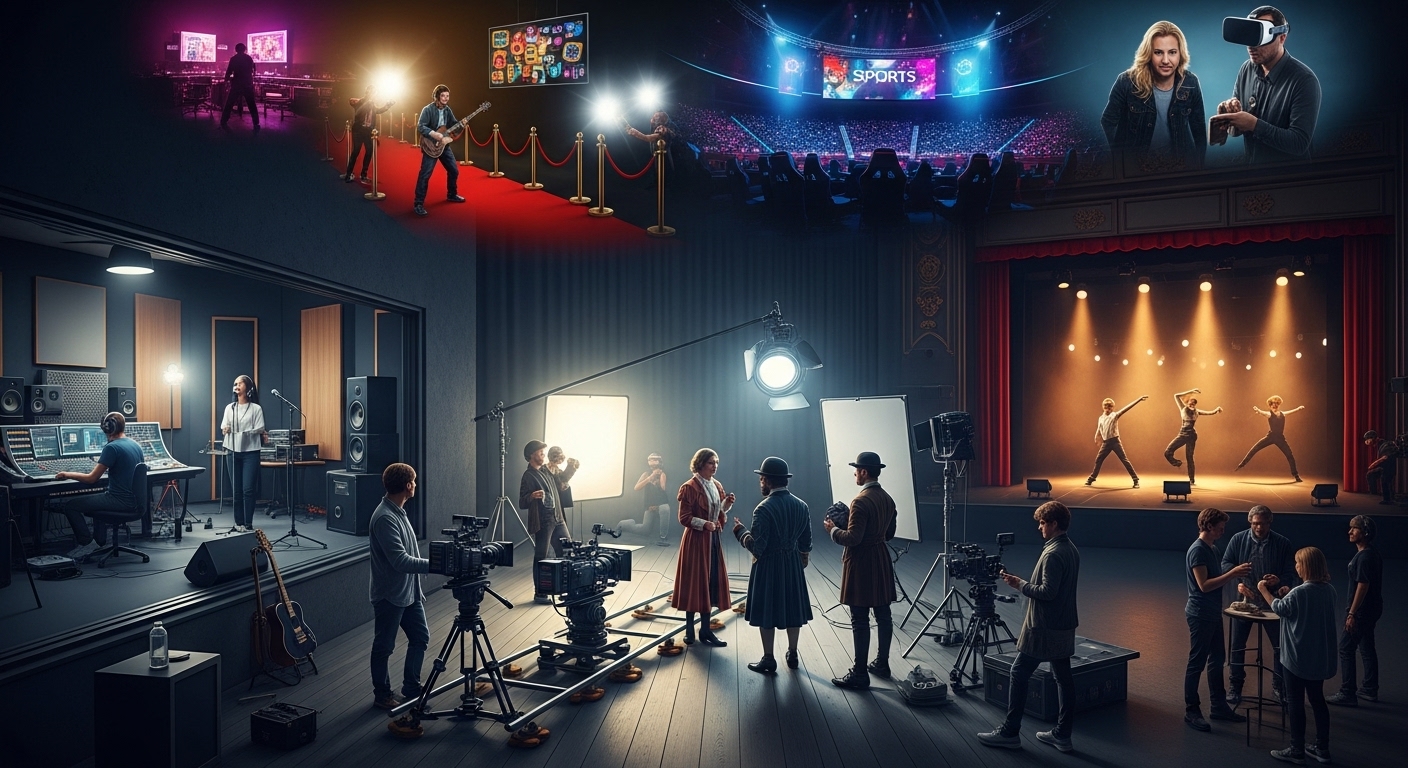
From digital media to live performances, from music to games, entertainment allows humans to explore imagination, experience emotions, and celebrate creativity. It is a reflection of who we are, a tool for learning, and a source of happiness. Entertainment shapes our daily lives, our culture, and our humanity.
In conclusion, entertainment remains a cornerstone of human experience. It allows us to dream, laugh, feel, and connect. It inspires creativity, promotes cultural exchange, and provides essential emotional balance. As technology continues to transform entertainment, its heart will remain unchanged: to move, inspire, and delight people around the world.