
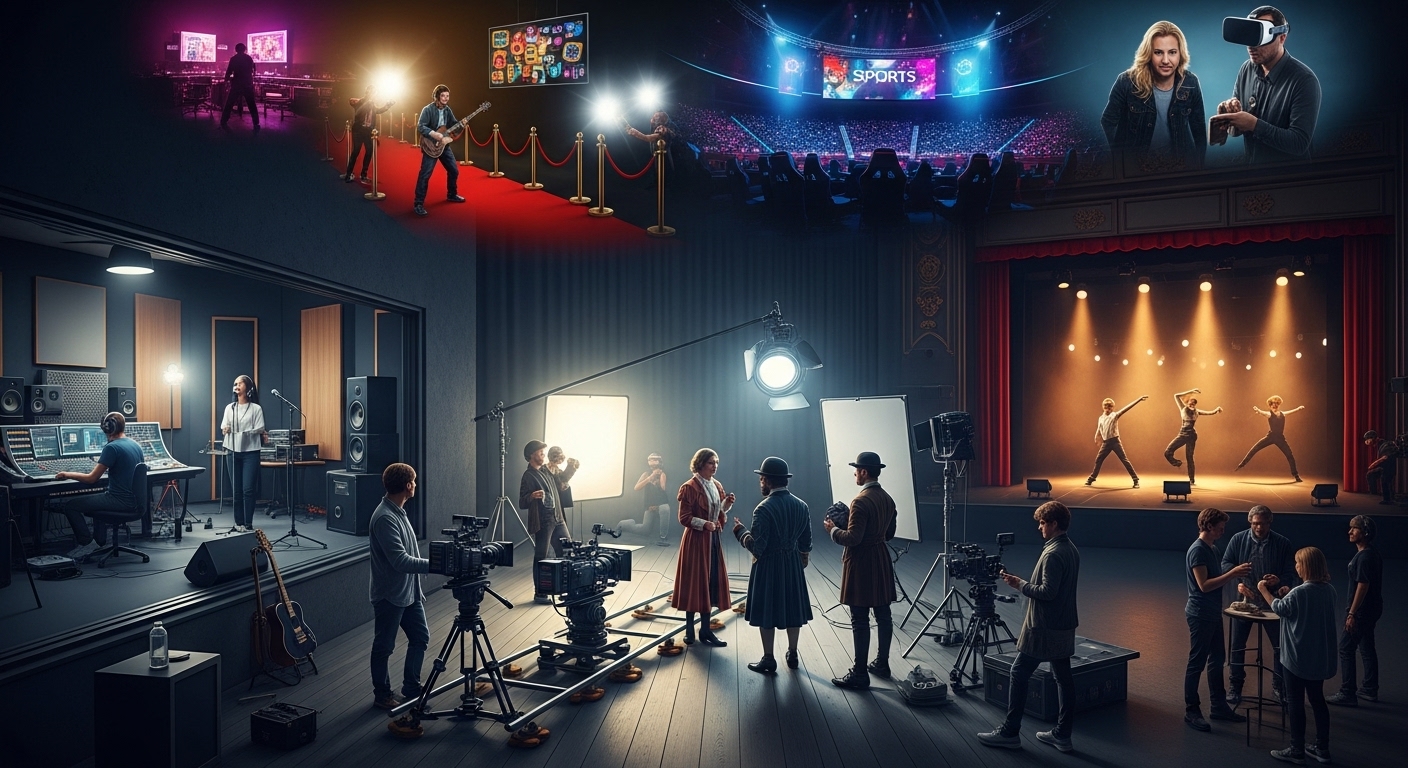
The Art of Escape: How Entertainment Shapes Modern Life

Introduction
Entertainment has always been an essential part of human life, offering joy, relaxation, and a temporary escape from daily routines. From ancient storytelling around fires to modern streaming platforms and immersive digital experiences, entertainment has evolved alongside civilization. It reflects cultural values, sparks creativity, and connects people across generations and geographies. In today’s fast-paced world, entertainment is not just about passing time; it influences emotions, social behavior, and even personal identity. This blog explores the world of entertainment, its evolution, impact on society, and its growing importance in modern life.
The Evolution of Entertainment
Entertainment has undergone a remarkable transformation over centuries. Early forms included folk tales, music, dance, and theatrical performances that were shared within communities. These activities were deeply rooted in tradition and served as a means of preserving history and values. With the invention of printing, books and newspapers expanded access to stories and ideas. The 20th century marked a major shift with the rise of cinema, radio, and television, bringing entertainment directly into people’s homes. Today, digital technology has revolutionized entertainment through streaming services, video games, social media, and virtual experiences, making content accessible anytime and anywhere.
Entertainment as a Reflection of Culture
Entertainment often mirrors society’s beliefs, struggles, and aspirations. Films, music, television shows, and literature reflect cultural norms, social issues, and historical moments. Through entertainment, audiences gain insight into different lifestyles, traditions, and perspectives. It serves as a powerful medium for storytelling, allowing creators to address topics such as identity, justice, love, and conflict. As cultures evolve, so does entertainment, adapting to changing values and global influences while preserving cultural heritage.
The Role of Entertainment in Emotional Well-Being
One of the most significant roles of entertainment is its impact on emotional health. Watching a movie, listening to music, or reading a novel can reduce stress, improve mood, and provide comfort during challenging times. Entertainment allows individuals to experience a range of emotions, from laughter and excitement to empathy and reflection. This emotional engagement helps people process feelings and find relief from everyday pressures. In many cases, entertainment becomes a form of self-care, offering moments of joy and relaxation that contribute to overall mental well-being.
Social Connection Through Entertainment
Entertainment has a unique ability to bring people together. Shared experiences such as watching a sports event, attending a concert, or discussing a popular series create bonds among individuals. Families and friends often connect through entertainment, making memories and strengthening relationships. In the digital age, online communities form around movies, music, games, and shows, allowing fans to interact across borders. These shared interests foster a sense of belonging and community, proving that entertainment is not just personal enjoyment but also a social connector.
The Impact of Technology on Entertainment
Technology has transformed how entertainment is created, distributed, and consumed. High-quality visual effects, digital music production, and advanced animation techniques have elevated creative possibilities. Streaming platforms allow audiences to access vast libraries of content on demand, changing viewing habits and expectations. Virtual reality and augmented reality are introducing immersive experiences that blur the line between audience and performer. Technology has also democratized content creation, enabling independent creators to share their work with global audiences. This shift has expanded diversity and innovation within the entertainment industry.
Entertainment and Education
Entertainment and education often intersect, creating opportunities for learning through engagement. Educational programs, documentaries, and interactive content make complex subjects more accessible and enjoyable. Storytelling in films and series can teach history, ethics, and cultural awareness in compelling ways. Even fictional entertainment can inspire curiosity, creativity, and critical thinking. By blending learning with enjoyment, entertainment has the potential to educate audiences while keeping them engaged and motivated.
The Business of Entertainment
Entertainment is not only an art form but also a major global industry. Film studios, music labels, television networks, and digital platforms generate significant revenue and provide employment to millions. Marketing, production, distribution, and performance all contribute to a complex economic ecosystem. Live events such as concerts, theater performances, and festivals boost local economies and tourism. While commercialization can sometimes influence creative choices, it also enables large-scale productions and technological innovation that enhance audience experiences.
Diversity and Representation in Entertainment
Modern entertainment increasingly emphasizes diversity and representation. Audiences seek stories that reflect different cultures, identities, and experiences. Inclusive casting, diverse storytelling, and authentic representation allow people to see themselves reflected on screen and stage. This shift not only broadens perspectives but also promotes empathy and understanding. Entertainment has the power to challenge stereotypes, encourage dialogue, and contribute to social progress by amplifying underrepresented voices.
Challenges in the Entertainment Industry
Despite its many benefits, the entertainment industry faces challenges. Issues such as creative burnout, intense competition, and pressure to constantly innovate can affect creators. Audiences may struggle with content overload, making it difficult to choose meaningful entertainment. Ethical concerns, including the impact of excessive screen time and the influence of media on behavior, require thoughtful consideration. Balancing creativity, responsibility, and commercial success remains an ongoing challenge for the industry.
The Influence of Entertainment on Lifestyle
Entertainment plays a significant role in shaping lifestyles and trends. Fashion, language, and social behaviors are often influenced by popular movies, shows, and music. Celebrities and creators become role models, impacting how people dress, think, and express themselves. Entertainment also shapes leisure activities, travel choices, and consumer preferences. Its influence extends beyond screens and stages, becoming an integral part of everyday life.
The Future of Entertainment
The future of entertainment promises innovation, personalization, and deeper engagement. Advances in artificial intelligence, virtual reality, and interactive storytelling will create more immersive experiences. Audiences will increasingly seek content tailored to their preferences, blurring the boundaries between creator and consumer. Live and digital entertainment will continue to merge, offering hybrid experiences that combine physical presence with virtual access. As technology evolves, entertainment will remain a powerful medium for creativity, connection, and expression.
Entertainment as a Universal Language
Entertainment transcends language and cultural barriers, connecting people through shared emotions and experiences. Music can move audiences without words, while visual storytelling communicates ideas across cultures. This universality makes entertainment a powerful tool for global connection. It fosters empathy by allowing people to experience lives and perspectives different from their own. In a diverse and interconnected world, entertainment serves as a bridge that unites humanity through creativity and expression.
Conclusion
Entertainment is far more than a source of amusement; it is a vital part of human experience that shapes emotions, culture, and social connection. From ancient traditions to digital innovations, entertainment continues to evolve, reflecting the values and aspirations of society. It provides joy, comfort, and inspiration while fostering creativity and community. As technology and creativity advance, entertainment will remain an essential force that enriches lives and connects people across the world. In embracing entertainment thoughtfully, society celebrates not just leisure but the shared stories, emotions, and imagination that define what it means to be human.