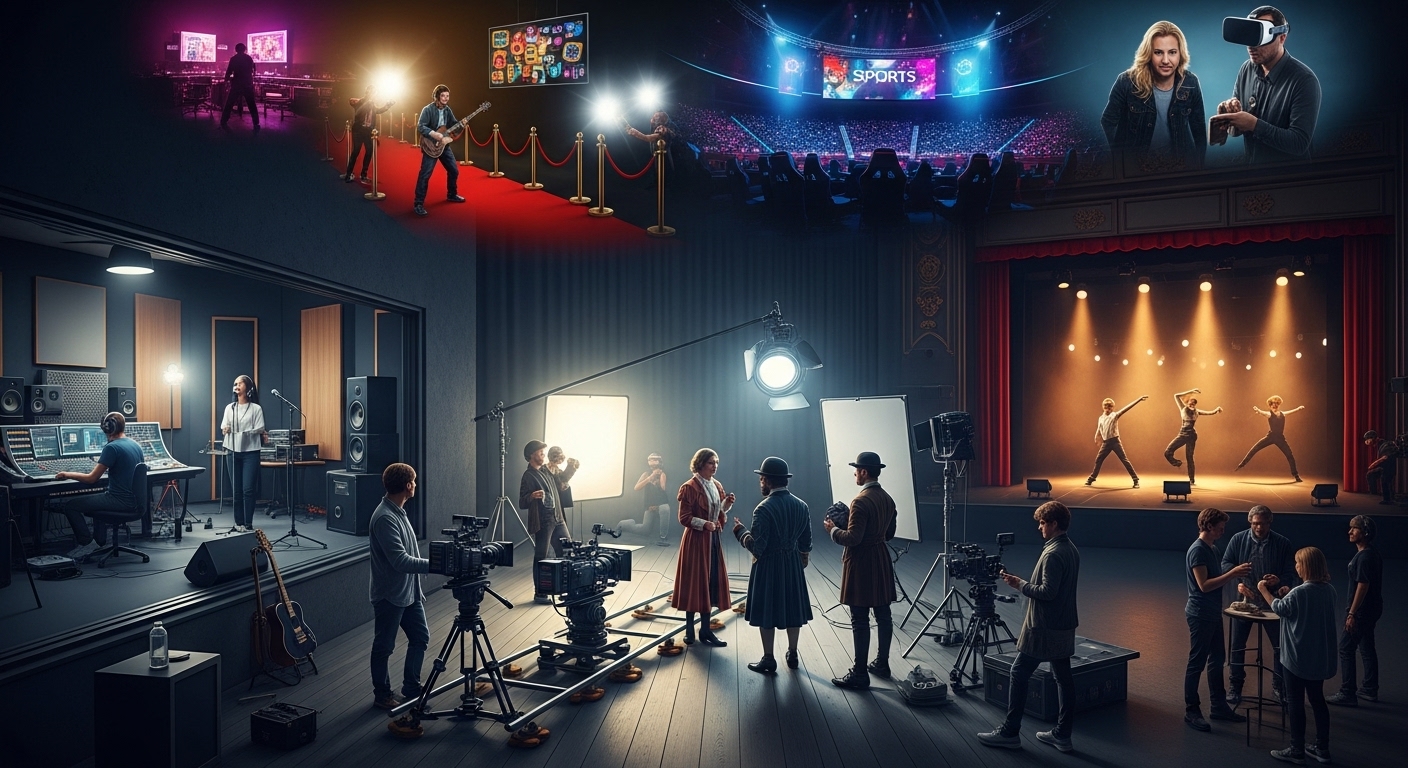
The Colorful World of Entertainment: How Fun Shapes Our Lives
Entertainment has always been an essential part of human life, serving as a source of joy, relaxation, and connection. From the earliest cave paintings and theatrical performances to the complex digital media we enjoy today, entertainment evolves alongside human creativity. It is more than just a way to pass the time—it influences culture, shapes emotions, and allows us to explore experiences beyond our daily realities. This blog explores the multifaceted world of modern entertainment, highlighting its impact on society, technology, and personal well-being.
The Evolution of Entertainment
Entertainment has undergone a remarkable transformation over centuries. In ancient times, storytelling and performance were the primary forms of amusement. People gathered around fires to hear epic tales, watch theatrical reenactments, or enjoy music and dance. These shared experiences strengthened community bonds and offered a break from daily labor.
With the invention of printing, books became a new form of entertainment, allowing stories to be consumed privately or shared in smaller groups. The invention of radio and television brought entertainment into homes, creating shared cultural experiences on a national scale. Today, technology has redefined how entertainment is produced and consumed, making it more accessible, immersive, and personalized.
Streaming Services: A Revolution in Viewing
One of the most significant changes in modern entertainment is the rise of streaming services. Platforms that allow instant access to movies, television shows, and documentaries have transformed the way we consume content. People no longer have to wait for weekly episodes or visit theaters to watch a film. Instead, they can binge-watch entire seasons in one sitting or explore content from around the world.
Streaming services also influence the way stories are told. Writers and directors now create narratives that flow continuously, knowing audiences can watch multiple episodes at their own pace. The result is richer, more complex storytelling and characters that feel more relatable. Streaming has also made entertainment more inclusive, giving viewers access to international films, documentaries, and niche genres that may not have been widely available before.
Gaming: Entertainment and Beyond
Video games have evolved from simple leisure activities into immersive, narrative-driven experiences. Modern games offer vast worlds, intricate storylines, and opportunities for collaboration and competition. Gaming is no longer just about fun; it has become a medium for storytelling, problem-solving, and social connection.
Many players turn to gaming as a way to relieve stress or escape reality. Multiplayer games allow friends and strangers to connect, strategize, and achieve goals together, creating a sense of community. Additionally, competitive esports have turned gaming into a professional industry, showcasing the skill, creativity, and dedication required to excel. Gaming offers mental stimulation, emotional engagement, and social interaction, making it one of the most dynamic forms of entertainment today.
Music: The Universal Language
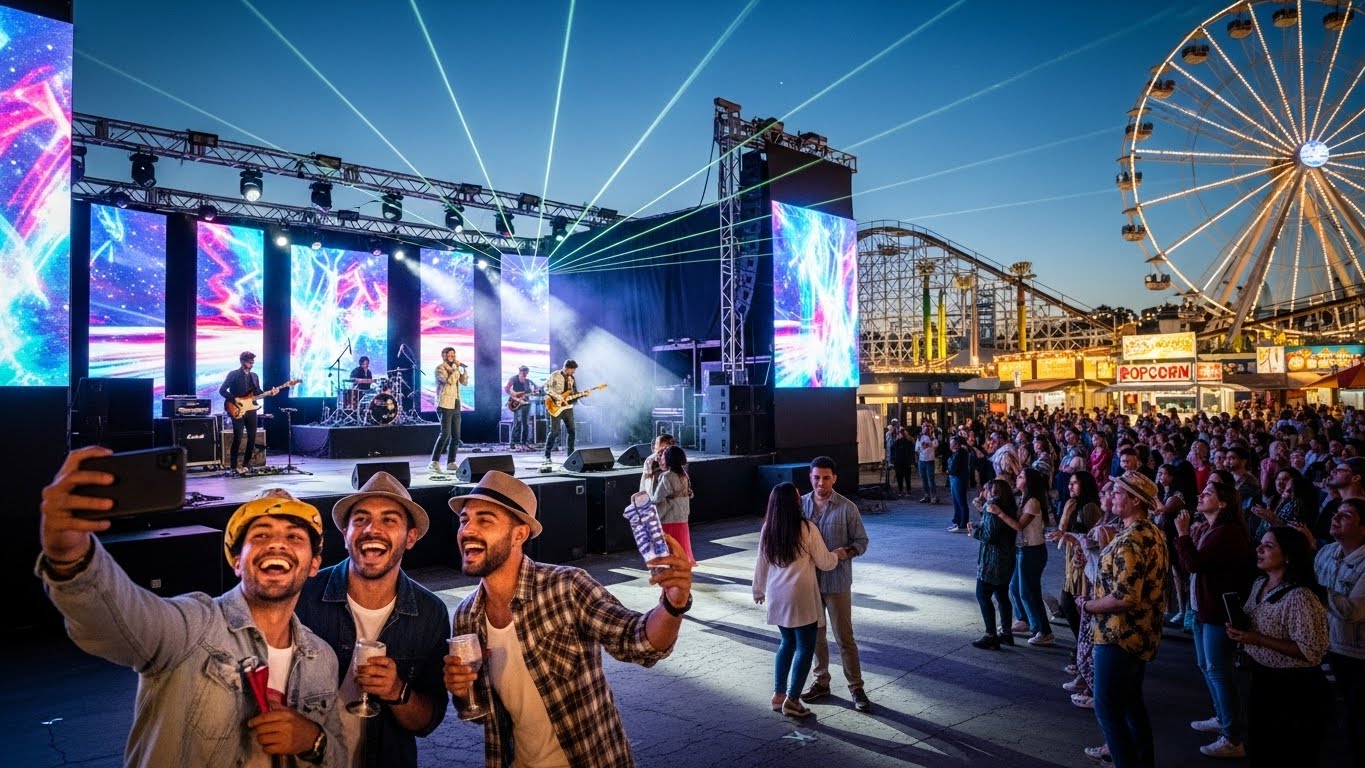
Music has a unique ability to evoke emotions, create memories, and unite people. It has been a core form of entertainment for centuries, from live performances in ancient amphitheaters to modern music festivals. Technology has made music more accessible than ever, allowing people to carry entire libraries in their pockets and curate personalized playlists for any mood or occasion.
Live music remains a captivating experience. Concerts combine vocals, instruments, choreography, and visual effects to create immersive experiences. Even virtual concerts have gained popularity, breaking geographical boundaries and allowing fans worldwide to enjoy performances simultaneously. Music continues to inspire, comfort, and entertain, proving that despite changes in format, its emotional power remains timeless.
Social Media as an Entertainment Platform
Social media has transformed everyday life into a stage for entertainment. Platforms that were initially designed for connection now serve as hubs for content creation, humor, and storytelling. Short videos, memes, challenges, and lifestyle content dominate feeds, making entertainment more interactive and immediate.
The rise of social media influencers has shifted how audiences engage with entertainment. Unlike traditional celebrities, social media creators often feel relatable, sharing authentic aspects of their daily lives. Their influence extends beyond humor or fashion trends, shaping opinions, tastes, and cultural conversations. Social media allows anyone to become an entertainer, democratizing creativity and reshaping our cultural landscape.
Cinema and Television: Stories That Shape Us
Films and television continue to be central to entertainment, offering powerful stories that engage audiences emotionally. Movies provide an escape, while also reflecting societal issues, exploring human experiences, and inspiring imagination. Television series, with their extended formats, allow viewers to develop long-term relationships with characters and immerse themselves in ongoing narratives.
Modern filmmakers experiment with genres, visual styles, and storytelling techniques. The result is content that appeals to diverse audiences and addresses themes that are both entertaining and thought-provoking. Entertainment through cinema and television not only offers relaxation but also encourages reflection and empathy, making it a meaningful part of everyday life.
The Magic of Live Performances
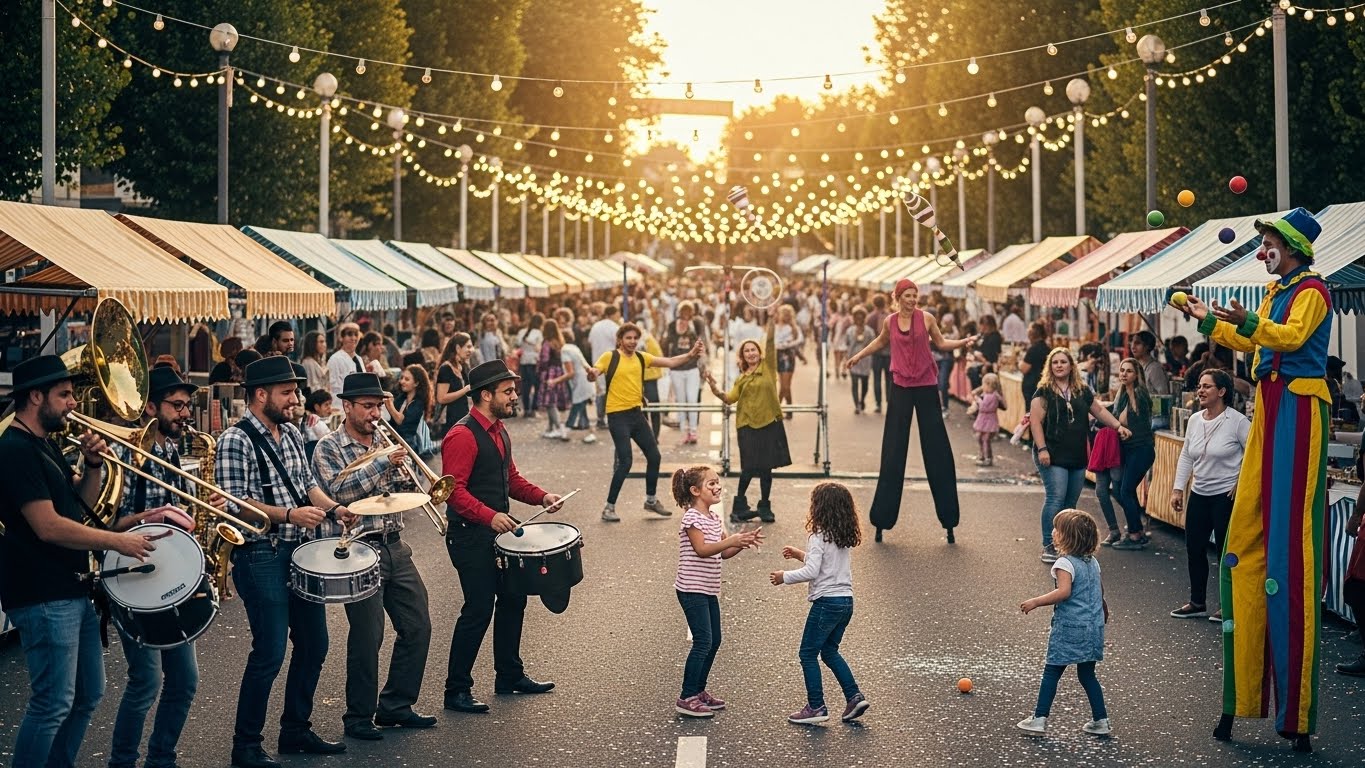
Despite the prevalence of digital media, live performances hold an irreplaceable charm. Whether theater, dance, comedy, or concerts, experiencing entertainment in person creates a unique connection between performers and audiences. The energy, spontaneity, and shared emotions make live events memorable and impactful.
Audiences cherish the immediacy of live shows, where laughter, applause, and reactions are collectively felt. This shared experience strengthens the bond between participants, creating a sense of community and belonging. Live entertainment reminds us that human connection is at the heart of all artistic expression.
Entertainment as a Mental Escape
In a fast-paced, often stressful world, entertainment provides a necessary mental and emotional escape. Watching a comedy, listening to soothing music, or playing a game allows individuals to unwind, recharge, and gain perspective. Entertainment helps manage stress, sparks creativity, and enhances overall well-being.
Furthermore, engaging with stories, music, or performance stimulates imagination. It allows us to explore new ideas, experience different perspectives, and expand our understanding of the world. Entertainment is not merely distraction; it is a vital tool for mental health, personal growth, and emotional fulfillment.
Cultural Influence of Entertainment
Entertainment shapes culture and society in profound ways. Movies, music, and games influence fashion, language, social norms, and values. Iconic films and songs become part of collective memory, creating shared experiences across generations. Entertainment also promotes cross-cultural understanding, exposing audiences to diverse traditions, ideas, and stories from around the world.
Globalization and technology have accelerated the spread of cultural content. People can enjoy music from a distant country, watch films in different languages, or participate in gaming communities across continents. This cultural exchange fosters empathy, curiosity, and appreciation for diversity, highlighting entertainment’s role in connecting humanity.
The Future of Entertainment
The future of entertainment promises even more immersive and innovative experiences. Virtual reality and augmented reality are pushing the boundaries of how audiences engage with content, allowing them to step inside stories and interact with environments and characters. Artificial intelligence is also influencing the creation of content, from music composition to interactive storytelling.
Despite these technological advances, the essence of entertainment remains rooted in human emotion. Stories, performances, and experiences resonate when they make people feel joy, excitement, empathy, or inspiration. The core of entertainment is not the medium, but the emotional journey it offers.
Why Entertainment Matters
Entertainment is far more than a way to pass time. It provides joy, inspiration, connection, and growth. It shapes culture, sparks creativity, and offers mental respite. From the simplest games to the most elaborate performances, entertainment enriches life, helping us navigate challenges, celebrate triumphs, and imagine possibilities.
As technology continues to evolve, so too will entertainment. Yet its fundamental purpose remains unchanged: to engage, inspire, and delight. It is a testament to human creativity and the universal desire for joy, connection, and expression.
In conclusion, entertainment is a vital part of human existence. It reflects who we are, what we value, and how we imagine the world. By exploring, enjoying, and creating entertainment, we engage with life more fully, reminding ourselves that joy, creativity, and connection are essential to the human experience.