The Ever-Changing World of Entertainment: From Classics to Digital Marvels
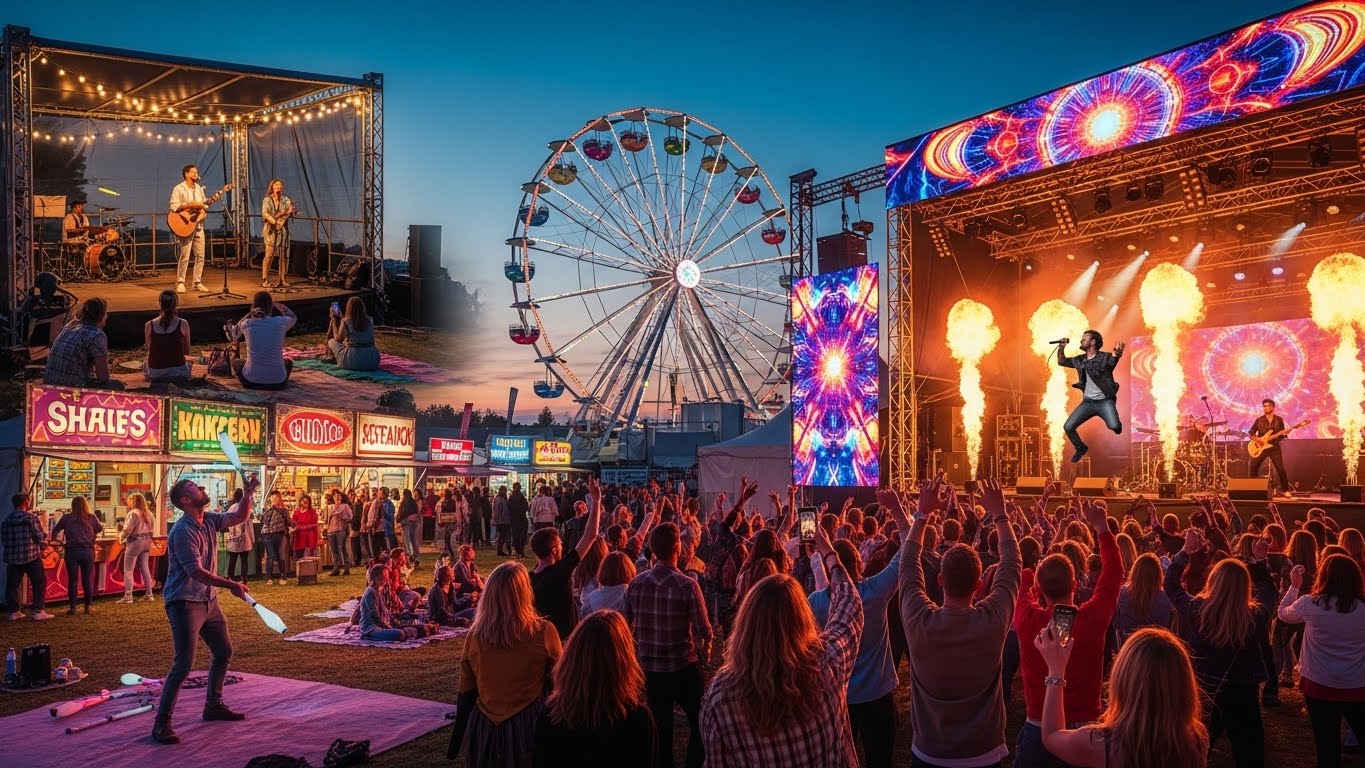
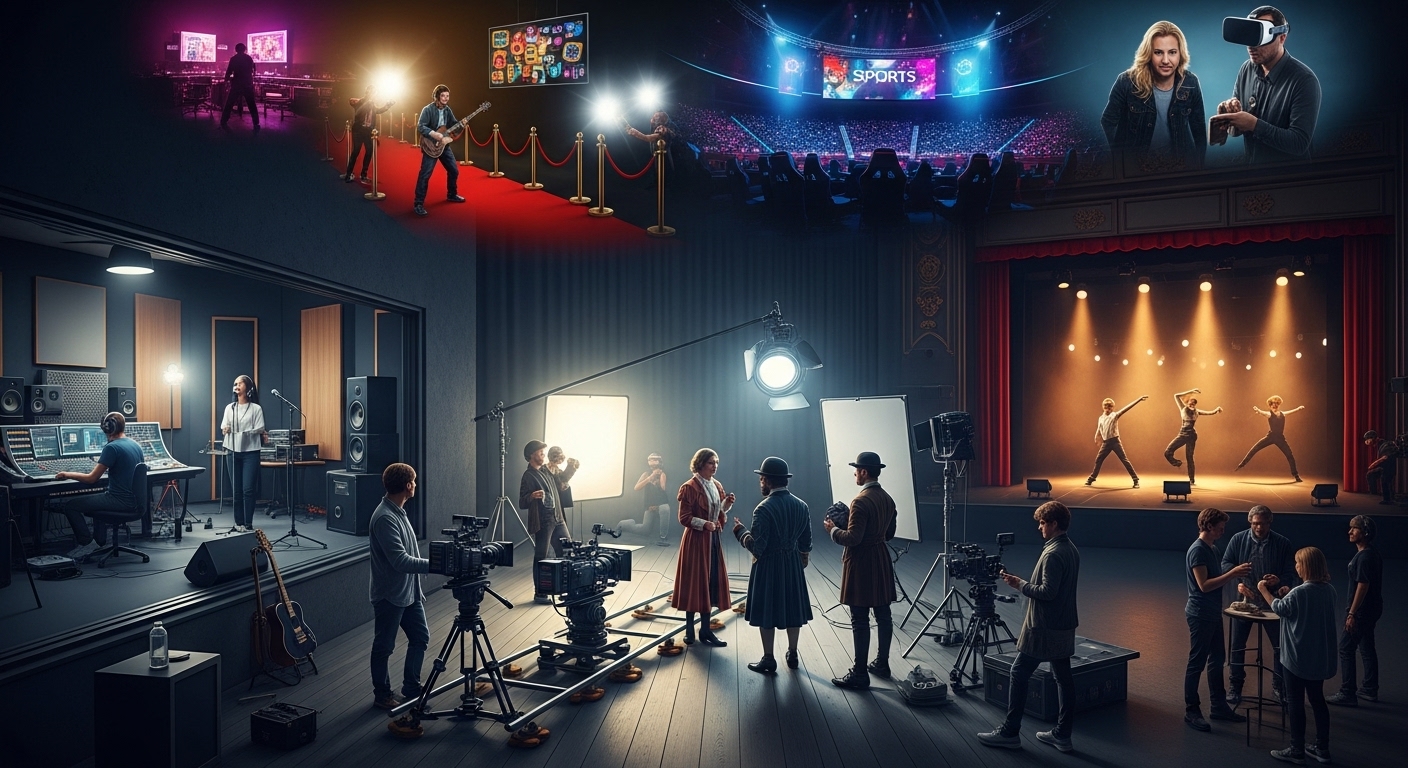
Entertainment has always been an integral part of human life. From the earliest storytelling around campfires to the immersive digital experiences of today, entertainment reflects our culture, creativity, and technological progress. It serves multiple purposes: offering relaxation, fostering social connections, stimulating imagination, and even shaping societal values. The landscape of entertainment is vast, encompassing music, movies, theater, gaming, live events, and digital content. In this blog post, we explore the evolution of entertainment, its impact on society, technological influences, and what the future holds for this dynamic industry.
The Origins of Entertainment
Entertainment has been a part of human civilization since ancient times. Early humans entertained themselves through storytelling, dance, music, and theatrical performances. These activities were not only leisure pursuits but also means of passing down knowledge, culture, and moral lessons. Folktales, myths, and legends provided both amusement and education, shaping the collective imagination of societies.
As civilizations progressed, more structured forms of entertainment emerged. Ancient Greece, for instance, was famous for its theater, where plays combined storytelling, music, and performance to engage audiences. Similarly, ancient Egypt and Rome developed public spectacles such as gladiator games, festivals, and musical performances, highlighting entertainment’s role in social cohesion and cultural identity.
The Evolution of Modern Entertainment
The Industrial Revolution and technological advancements dramatically transformed entertainment. The invention of printing allowed literature to reach wider audiences, while photography and film introduced visual storytelling on a massive scale. Cinema quickly became a dominant form of entertainment, offering audiences immersive experiences that combined narrative, visuals, and music.
The 20th century witnessed the rise of radio, television, and recorded music, creating new ways for people to engage with entertainment. These mediums brought global cultures closer, making music, news, and storytelling accessible to millions. Live performances, theater, and sports continued to thrive, blending traditional forms with modern innovations.
Music as a Universal Language
Music is one of the most universal forms of entertainment. Across cultures and generations, it has the power to evoke emotions, inspire action, and bring people together. From classical symphonies to modern pop, music reflects cultural shifts and technological progress.
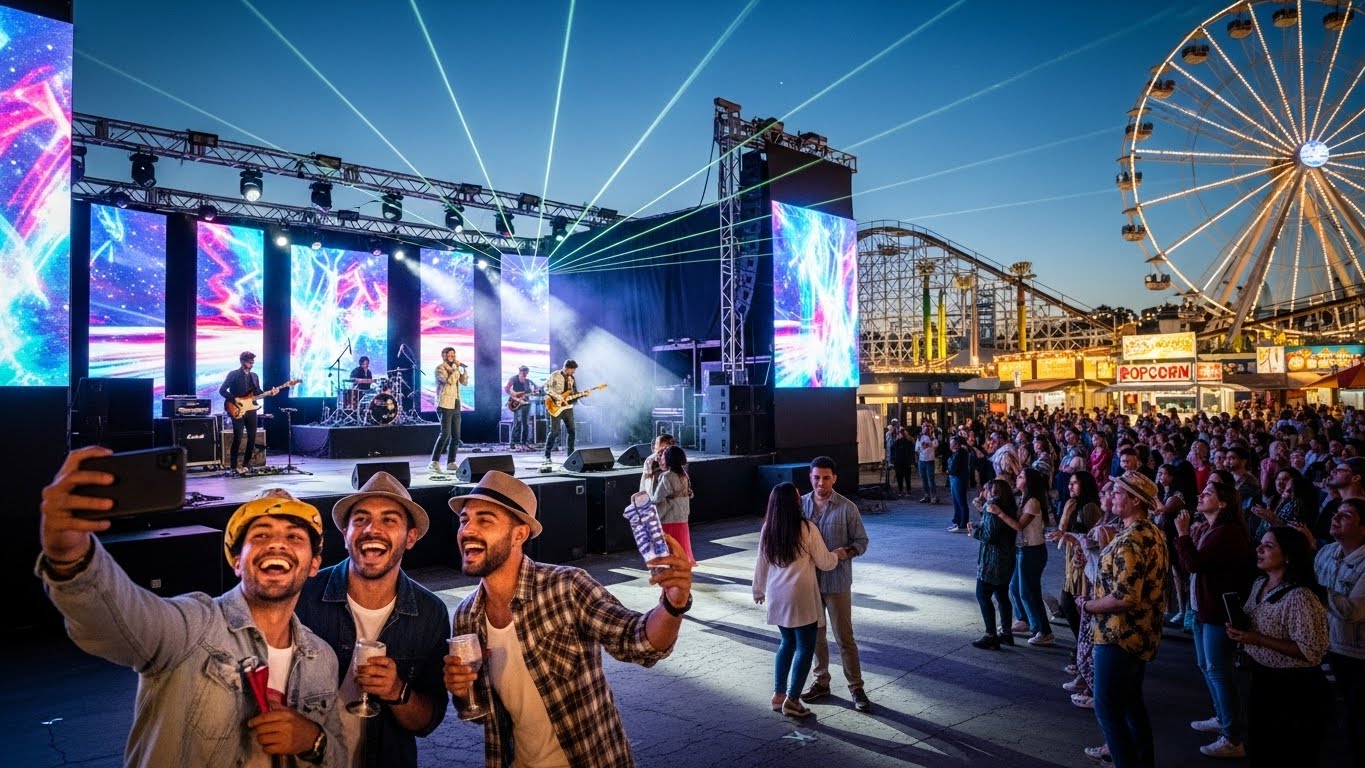
The digital age has revolutionized music consumption. Streaming platforms allow listeners to access millions of songs instantly, creating personalized experiences and global exposure for artists. Live concerts, virtual performances, and music festivals continue to attract audiences, providing both communal and immersive experiences that celebrate creativity and talent.
The Magic of Movies and Visual Storytelling
Movies and visual storytelling have a unique ability to transport audiences to different worlds. Cinema combines narrative, visuals, sound, and performance to create emotional experiences that resonate deeply with viewers. From silent films to modern blockbusters, movies have evolved in complexity, technology, and artistic expression.
The rise of digital filmmaking and online streaming has democratized content creation and consumption. Independent filmmakers now have platforms to reach global audiences, while viewers can enjoy diverse genres and international cinema without leaving home. Special effects, computer-generated imagery, and immersive storytelling techniques continue to push the boundaries of what movies can achieve.
Theater and Live Performances
Despite the rise of digital media, theater and live performances remain vital forms of entertainment. Live performances offer an immediacy and emotional connection that recorded media cannot replicate. Plays, musicals, dance performances, and concerts provide immersive experiences where audiences feel part of the creative process.
Live entertainment also fosters social interaction. Attending performances with friends or family creates shared memories and strengthens cultural engagement. Theater, in particular, has the ability to explore complex societal issues, provoke thought, and inspire change while entertaining audiences.
Gaming and Interactive Entertainment
Gaming has emerged as one of the most influential forms of modern entertainment. Video games, mobile games, and virtual reality experiences combine storytelling, strategy, and interactivity to create highly engaging experiences. Gaming offers both casual entertainment and competitive challenges, catering to diverse audiences worldwide.
Esports has further elevated gaming’s status, turning it into a professional industry with global tournaments and dedicated fanbases. Games now provide social experiences, allowing players to connect, collaborate, and compete in virtual spaces. The rise of gamified entertainment, live streaming, and interactive storytelling has blurred the line between play and traditional media.
The Role of Technology in Entertainment
Technology has been a driving force behind the evolution of entertainment. Advancements in audio-visual equipment, internet connectivity, and digital platforms have transformed how content is created, distributed, and consumed. Virtual reality and augmented reality offer immersive experiences that go beyond traditional media, allowing users to explore new worlds and interact with content in unprecedented ways.
Artificial intelligence is also influencing entertainment by personalizing recommendations, creating adaptive gaming experiences, and generating creative content. AI-powered algorithms analyze user behavior to deliver content tailored to individual preferences, enhancing engagement and satisfaction.
Entertainment and Social Media
Social media platforms have reshaped entertainment consumption and interaction. Content creators, influencers, and artists can reach audiences directly, bypassing traditional media gatekeepers. Viral videos, live streams, and short-form content have created new genres of entertainment that are interactive, participatory, and instantly shareable.
Social media also fosters communities around entertainment. Fans engage with artists, discuss media, and collaborate on creative projects. This interactivity enhances audience loyalty, encourages creativity, and transforms passive consumption into active participation.
The Psychological Benefits of Entertainment
Entertainment plays a vital role in mental and emotional well-being. Engaging with music, movies, games, or live performances provides relaxation, stress relief, and a temporary escape from daily pressures. Entertainment can also inspire, motivate, and foster creativity, contributing to personal growth and self-expression.
Interactive entertainment, such as gaming or creative platforms, encourages problem-solving, critical thinking, and collaboration. Participating in live events or community-driven media strengthens social bonds, providing a sense of belonging and shared experience.
Cultural and Societal Impact
Entertainment reflects and shapes society. It captures cultural trends, values, and social issues while influencing public perception and behavior. Films, music, and games often explore themes such as identity, morality, politics, and human relationships, prompting reflection and discussion.
Globalization and digital media have expanded cultural exchange, allowing audiences to experience diverse perspectives and traditions. This cross-cultural exposure fosters empathy, understanding, and appreciation for creativity from different parts of the world.
The Business of Entertainment
The entertainment industry is a multi-billion-dollar global market. It encompasses film production, music, gaming, live events, digital content, and more. The industry provides employment for millions of people, including artists, producers, technicians, marketers, and developers.
Revenue models in entertainment have evolved with technology. Subscription services, streaming platforms, digital sales, merchandising, and live events generate income while offering convenience and variety to consumers. Innovative approaches such as gamification, virtual experiences, and interactive storytelling continue to expand revenue opportunities.
The Future of Entertainment
The future of entertainment promises even greater innovation and immersion. Emerging technologies such as virtual reality, augmented reality, artificial intelligence, and holographic displays will redefine how audiences experience content. Personalized and interactive media will cater to individual preferences, creating unique experiences for every user.
Entertainment will also become more collaborative and participatory. Audiences will not only consume content but actively shape narratives, create media, and engage with communities. Sustainability, accessibility, and inclusivity will increasingly influence entertainment production and consumption, ensuring that creative experiences reach diverse audiences worldwide.
Conclusion
Entertainment is a dynamic and ever-evolving reflection of human creativity, culture, and technology. From ancient storytelling and theater to modern gaming and digital media, it has transformed the way people connect, relax, and explore their imaginations. It fosters social interaction, cognitive growth, and emotional well-being, while also shaping cultural values and societal trends.
As technology continues to advance and audiences seek more immersive, personalized experiences, entertainment will remain at the forefront of innovation and human connection. Whether through music, movies, games, or live performances, entertainment will continue to inspire, engage, and bring joy to people across the globe. The world of entertainment is limitless, offering endless opportunities for creativity, exploration, and shared experiences.