The Ever-Evolving Landscape of Entertainment: How Stories Shape Our Lives

Introduction: Entertainment as a Cultural Compass
Entertainment has always been more than a way to pass time; it is a reflection of society’s values, emotions, and aspirations. From the earliest cave paintings to modern streaming platforms, humans have consistently sought ways to tell stories, evoke emotions, and connect with one another. Entertainment is not just about diversion—it is an essential part of culture that shapes our perceptions, influences trends, and even impacts our personal growth.
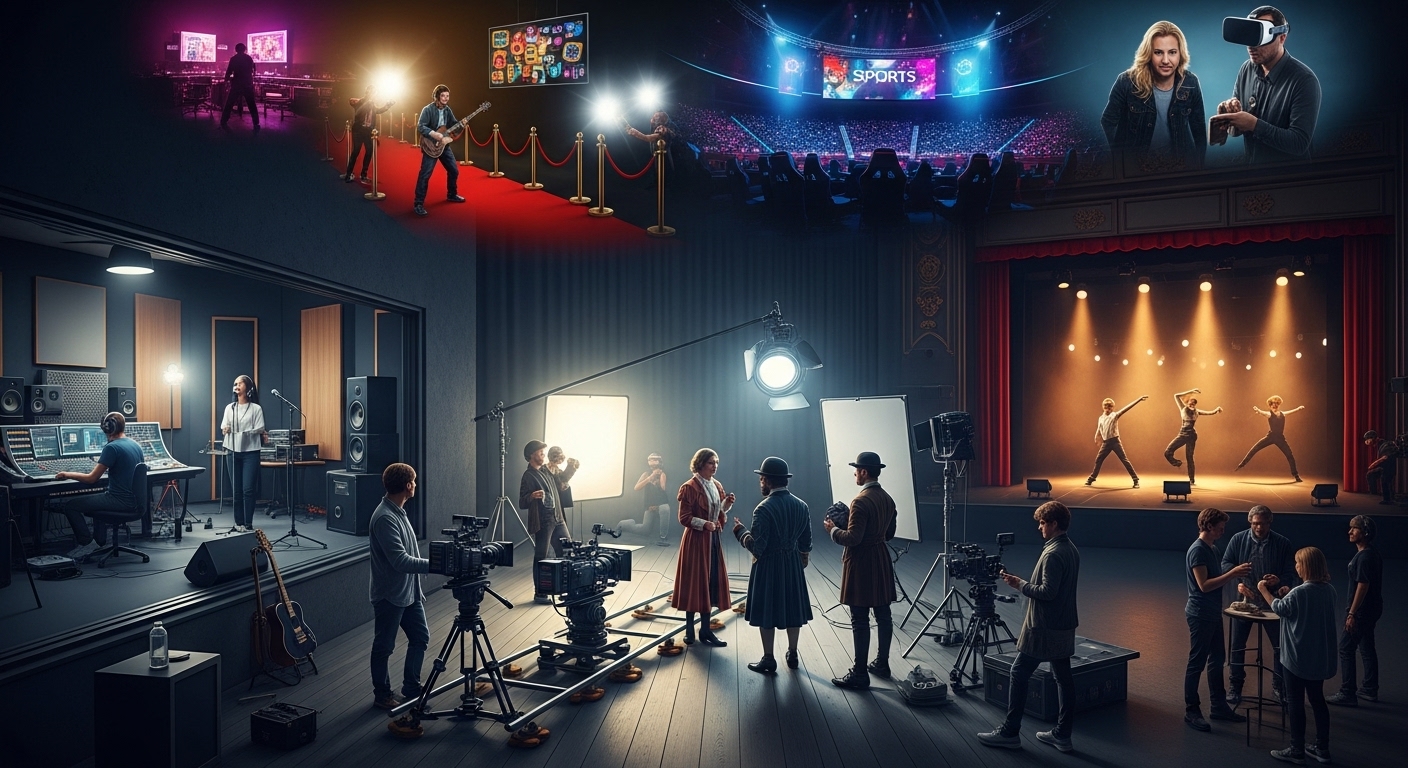
In today’s world, entertainment spans a dizzying array of mediums, from movies, television, and music to video games, live performances, and digital content. Each form offers a unique lens through which we can experience the human condition. This post explores the dynamic landscape of entertainment, examining its evolution, impact, and what the future may hold.
The Evolution of Entertainment: From Oral Traditions to Digital Platforms
Entertainment has transformed remarkably over centuries. In ancient times, storytelling was the primary form of entertainment, passed orally from one generation to the next. Myths, legends, and folktales were more than just stories—they conveyed morals, traditions, and communal identity. Theater emerged in civilizations such as Greece and Rome, blending narrative with performance art, music, and dance to create immersive experiences.
With the invention of the printing press, books became a widespread source of entertainment, allowing people to experience stories privately and repeatedly. The 20th century brought radio, television, and cinema, each medium adding layers of innovation, accessibility, and mass influence. Today, the digital revolution has created an entertainment ecosystem where streaming services, social media, and video games dominate, making content more personalized, interactive, and instantaneous than ever before.
Cinema: A Portal to Imagination
Cinema remains one of the most powerful forms of entertainment. Movies transport audiences to other worlds, introduce them to diverse perspectives, and evoke complex emotions. Beyond storytelling, films have shaped culture, fashion, and social movements. From classic black-and-white films to blockbuster franchises, cinema offers an escape and a mirror reflecting societal issues.
Film industries around the world, such as Hollywood, Bollywood, and independent cinema, each bring unique flavors to storytelling. The rise of digital effects and immersive technologies like virtual reality has further expanded what is possible on the silver screen. Today, filmmakers have more tools than ever to create visually stunning, emotionally resonant stories that captivate audiences globally.
Television: The Age of Episodic Storytelling
Television has long been a staple of entertainment, evolving from simple broadcasts to complex serialized storytelling. Modern TV series often rival films in terms of quality, narrative depth, and cultural impact. The episodic format allows for character development, intricate plotlines, and prolonged engagement with audiences.
The streaming revolution has transformed television consumption. Binge-watching entire seasons has changed how stories are told and absorbed, encouraging writers and producers to craft content that maintains viewer attention over long periods. Reality shows, talk shows, and documentaries add to the diversity, offering entertainment that is both informative and engaging.
Music: The Universal Language
Music is arguably the most universal form of entertainment. Its ability to evoke emotion, convey meaning, and connect people across cultures is unparalleled. From classical compositions to contemporary pop, music serves as both personal expression and communal celebration.
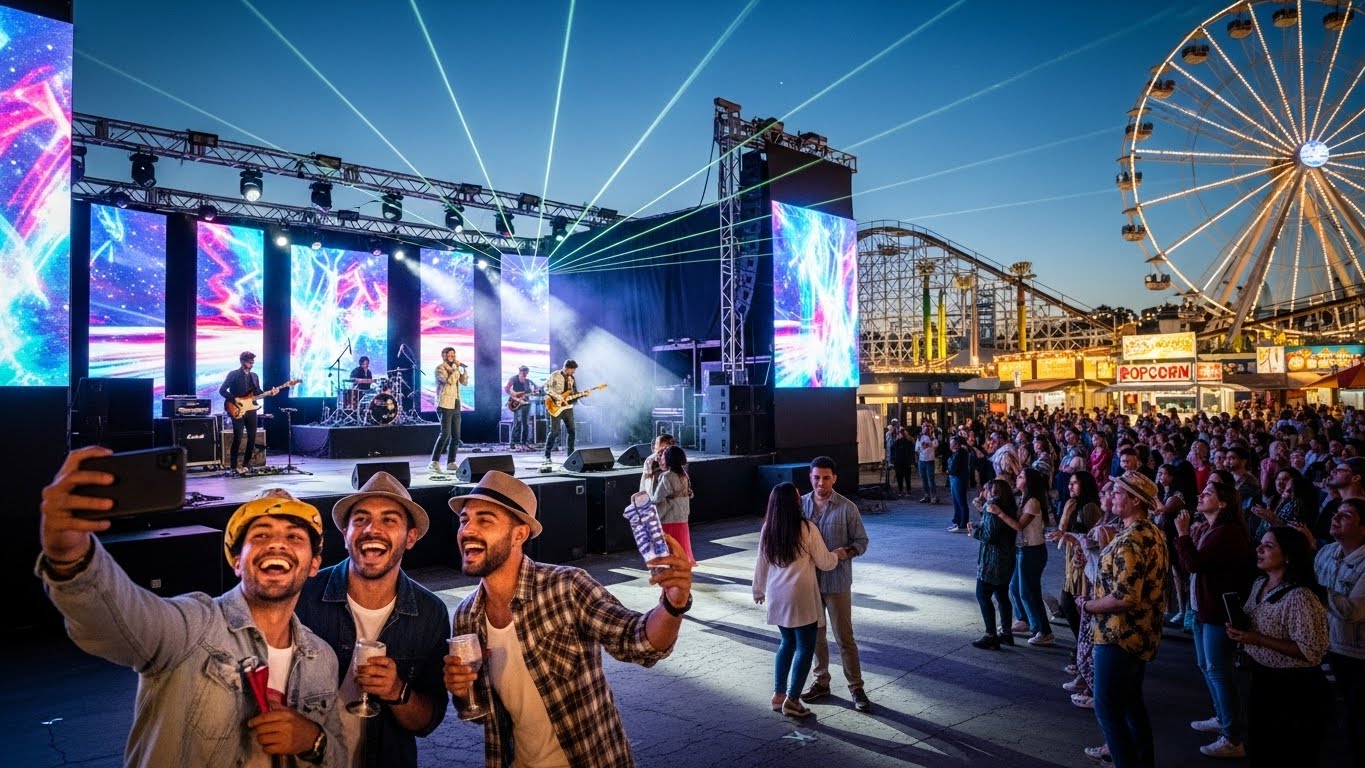
Advancements in technology have changed how music is produced, distributed, and consumed. Digital streaming platforms and social media have democratized music creation, allowing independent artists to reach global audiences without traditional gatekeepers. Music festivals, live concerts, and online performances continue to captivate audiences, demonstrating music’s enduring appeal as a dynamic and evolving art form.
Video Games: Interactive Entertainment for the Digital Age
Video games represent a unique frontier in entertainment—interactivity. Unlike passive forms like film or literature, video games allow participants to actively engage, make decisions, and shape outcomes. Modern gaming combines narrative depth, visual artistry, and immersive gameplay, creating experiences that rival traditional storytelling.
The gaming industry has expanded to include esports, virtual reality, and mobile gaming, appealing to diverse demographics. Beyond entertainment, video games have educational, therapeutic, and social applications, making them a multifaceted cultural phenomenon. The interactive nature of gaming blurs the line between player and story, creating deeply personal and memorable experiences.
Live Performances: The Timeless Appeal of Human Connection
Despite technological advancements, live performances remain a vital form of entertainment. Theater, concerts, stand-up comedy, and dance performances offer experiences that digital mediums cannot replicate. The energy of a live audience, the spontaneity of performers, and the shared communal experience create a sense of connection and immediacy that is unmatched.
Live entertainment has also adapted to contemporary trends. Many artists and performers now offer hybrid experiences, combining physical events with digital streaming to reach wider audiences. The enduring appeal of live performance lies in its authenticity and the emotional resonance it generates between performers and spectators.
The Role of Digital Content and Social Media
The rise of social media and online platforms has democratized entertainment like never before. Content creators, influencers, and vloggers produce videos, short films, podcasts, and interactive experiences that attract millions of followers worldwide. Social media allows audiences to engage directly with creators, participate in trends, and even shape the content they consume.
Platforms like these have not only changed what entertainment is but also how it is valued. Viral moments, memes, and digital campaigns now hold significant cultural weight, influencing everything from fashion to politics. Entertainment has become more immediate, participatory, and socially interconnected than ever before.
Entertainment as a Reflection of Society
Entertainment is not merely diversion; it mirrors societal concerns, aspirations, and values. Films, music, and literature often tackle issues like inequality, identity, love, and conflict, prompting reflection and discussion. Socially conscious entertainment can influence public opinion, inspire movements, and drive cultural change.
Moreover, entertainment provides a sense of shared identity. Whether it is cheering for a sports team, attending a concert, or discussing a popular series, these experiences create bonds and foster community. The stories we tell and the art we consume shape collective consciousness, reflecting who we are as individuals and as a society.
The Future of Entertainment: Trends and Innovations
Looking ahead, entertainment will continue to evolve in exciting ways. Artificial intelligence, virtual reality, and augmented reality are expanding the possibilities for immersive experiences. Interactive storytelling, personalized content, and hybrid live-digital events are likely to become mainstream, blurring the lines between reality and imagination.
Sustainability and inclusivity are also shaping entertainment. Audiences increasingly demand diverse representation, ethical production practices, and content that reflects global perspectives. Entertainment is becoming more participatory, socially conscious, and technologically advanced, ensuring that it remains relevant and influential in an ever-changing world.
Conclusion: The Enduring Power of Entertainment
Entertainment is far more than a pastime; it is a vital aspect of human culture. It informs, inspires, and unites us, offering both escape and reflection. From the timeless appeal of storytelling and music to the cutting-edge possibilities of digital media, entertainment continues to evolve while remaining deeply rooted in human experience.
As we navigate the future, one thing remains clear: entertainment will continue to shape our lives, spark our imagination, and connect us to one another. Whether through laughter, tears, excitement, or contemplation, the power of entertainment is universal—and its influence is timeless.