
The Ever-Evolving World of Entertainment: A Journey Through Time and Technology
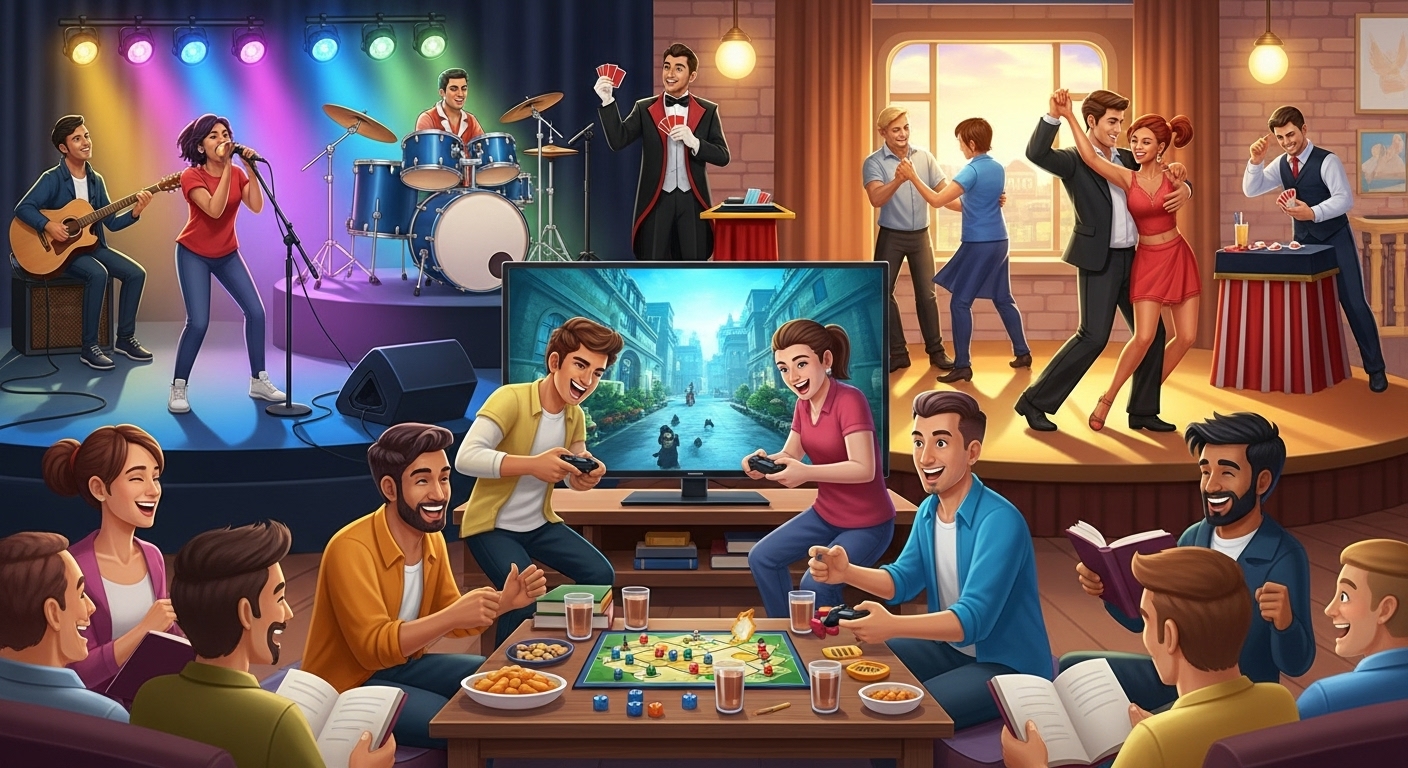
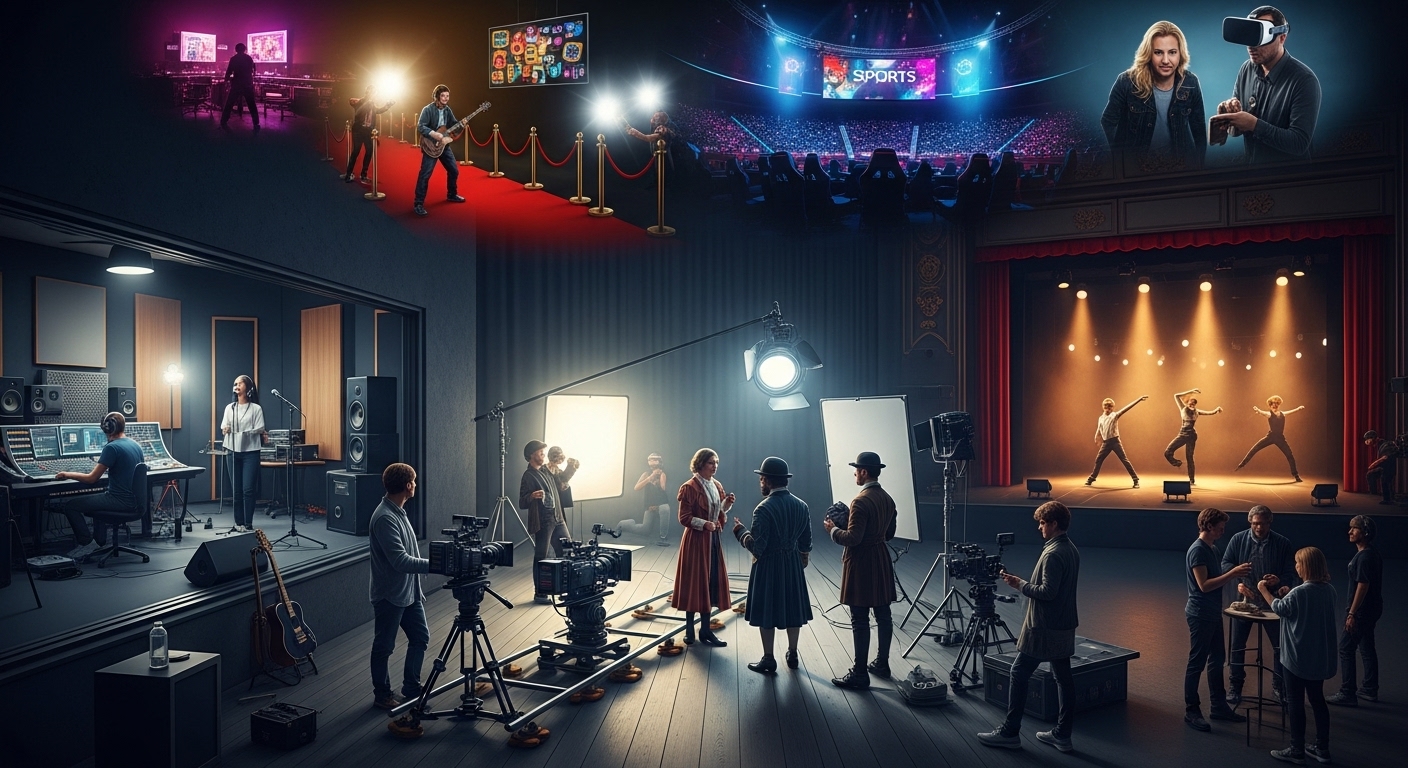
Entertainment has always been an essential part of human culture, evolving alongside technological advancements, societal changes, and shifting tastes. From ancient storytelling around a campfire to immersive digital experiences in the age of VR, the ways in which we seek out entertainment are as diverse and complex as humanity itself. Today, we live in a time where entertainment is more accessible than ever, yet its nature continues to transform at an astonishing rate.
In this blog post, we’ll explore how entertainment has evolved over time, what current trends are shaping the industry, and where it might go in the future. From traditional media to new-age digital platforms, entertainment has no shortage of avenues, and its reach has grown beyond imagination. So, let’s take a closer look at how entertainment has changed and what the future holds.
The Origins of Entertainment: A Story of Storytelling
Long before the advent of film, television, and the internet, humans turned to storytelling as a form of entertainment. Ancient cultures used oral traditions to pass down histories, myths, and tales, all designed to entertain, educate, and preserve a community’s identity. Whether through dramatic rituals, folk songs, or theater, people have always been drawn to stories that reflect their realities or offer escape into fantasy.
In the early days of civilization, the stage was often a communal gathering place where people came together to share stories, much like how we gather around TV screens or movie theaters today. In Greece, for example, theater blossomed with the works of playwrights like Sophocles and Euripides. Similarly, in India, the performance art of Kathakali continues to captivate audiences with its rich blend of music, dance, and drama.
These forms of entertainment weren’t just a pastime—they were vital to the social and cultural fabric of their societies. They brought people together, kept traditions alive, and even offered a space for political and social commentary. The essence of storytelling has remained consistent throughout the ages, but the mediums have dramatically shifted.
The Rise of Modern Entertainment: Film and Television
The 20th century marked a significant shift in entertainment. The introduction of film in the early 1900s changed the landscape of how stories were told, and with it, a new industry was born. Hollywood became the epicenter of the entertainment world, and the silver screen quickly became the preferred medium for mass entertainment.
The 1920s to the 1950s ushered in the “Golden Age of Hollywood,” with movie stars like Marilyn Monroe, Humphrey Bogart, and James Dean becoming household names. This period was marked by an explosion of creativity and innovation in film, with genres ranging from musicals to epic dramas to comedies. As a result, film not only became a form of entertainment but a cultural force that shaped the aspirations and imaginations of millions of people worldwide.
Television emerged in the mid-20th century as another dominant form of entertainment. What started as a luxury item for the wealthy eventually became a household staple by the 1960s and 1970s. Television networks provided a constant stream of programming, from news to dramas to sitcoms, that shaped public opinion, promoted social trends, and influenced everyday life. Shows like I Love Lucy, The Twilight Zone, and The Brady Bunch became part of the collective cultural lexicon.
However, as successful as both film and television were in the 20th century, they faced significant challenges with the rise of the internet and digital technologies.
The Digital Revolution: The Impact of the Internet
The late 20th and early 21st centuries brought the digital revolution, which transformed entertainment in ways that were unimaginable even a few decades ago. With the rise of personal computers, the internet, and eventually smartphones, entertainment no longer had to come from a physical medium like a TV or cinema screen. The internet, along with streaming platforms, revolutionized how people accessed and consumed content.
One of the most significant shifts occurred with the launch of services like Netflix, Hulu, and Amazon Prime Video. These platforms transformed the way we watch TV and movies, making it possible to binge-watch entire seasons of shows and watch films from the comfort of our homes, at any time. This was a massive departure from the days of appointment viewing, where people had to tune in at specific times to watch their favorite shows.
Additionally, the internet opened the doors for new forms of entertainment, including video games, social media platforms, and online streaming. YouTube and Twitch became key players in the entertainment landscape, offering content creators a platform to reach global audiences. The rise of user-generated content shifted the power away from traditional media conglomerates and gave ordinary individuals the chance to entertain, inform, and influence others.
Social media platforms like Instagram, TikTok, and Twitter also reshaped the way people consume entertainment. No longer do we have to wait for a TV show or movie to drop to enjoy entertainment. With platforms designed for short-form, digestible content, users can access entertainment in bite-sized chunks. TikTok, in particular, with its viral challenges and trends, has become a central hub for entertainment, especially for younger generations.
Entertainment in the Digital Age: Trends and Innovations
Today, entertainment is defined by choice and accessibility. With smartphones, laptops, and smart TVs, entertainment can be consumed anywhere and at any time. However, with so many options available, personalization has become a crucial factor. Streaming services like Netflix and Spotify have revolutionized the way we interact with content, providing curated recommendations based on user preferences.
The gaming industry has also flourished in the digital age, with video games becoming one of the most popular forms of entertainment. From mobile games to high-tech VR experiences, the gaming world has expanded to offer immersive experiences that compete with traditional media. In fact, the line between gaming and traditional film/television is increasingly blurry. Titles like The Last of Us and Red Dead Redemption 2 offer rich, cinematic narratives that rival those of Hollywood blockbusters.
One of the most exciting innovations in entertainment is virtual reality (VR) and augmented reality (AR). These technologies have the potential to transport audiences into entirely new worlds, offering an immersive experience that traditional media simply cannot match. VR headsets, such as the Oculus Rift, allow users to interact with digital environments in a way that feels incredibly lifelike. As VR technology continues to improve, it’s likely that we’ll see a shift toward more interactive entertainment experiences, whether for gaming, education, or entertainment in general.
The Future of Entertainment: What’s Next?
As we look to the future, the entertainment industry will continue to evolve and adapt to new technological advancements. The integration of artificial intelligence (AI) is already making waves in content creation, from AI-generated music to deepfake technology that can create entirely synthetic performances. In the near future, AI may even play a role in personalized entertainment experiences, where content is tailored not just to your preferences but to your emotional state and psychological profile.
Another exciting frontier is the metaverse—an interconnected virtual space where people can socialize, work, and engage in entertainment experiences. While the metaverse is still in its infancy, it holds the potential to reshape the entire entertainment landscape. Imagine attending a virtual concert by your favorite band, going on a digital rollercoaster ride, or watching a live sporting event all from the comfort of your own home, but in a way that feels real and engaging. This could be the next big leap in entertainment, blending the physical and digital worlds.
Additionally, there is likely to be a continued shift toward interactive and immersive storytelling. This could involve branching narratives in video games or even virtual films where viewers make decisions that influence the plot. The popularity of interactive shows like Black Mirror: Bandersnatch on Netflix shows that audiences are eager for more agency over how their entertainment unfolds.
Conclusion: Entertainment for the Future
Entertainment has come a long way from its humble beginnings. The evolution from live storytelling to immersive digital worlds is a testament to humanity’s unceasing desire for connection, escape, and enjoyment. With the rise of new technologies and platforms, entertainment will continue to innovate, offering more personalized, interactive, and engaging experiences.
As we move forward, one thing is certain: entertainment will remain a vital part of our lives. Whether we’re watching a blockbuster film, playing a video game, attending a virtual concert, or interacting with AI-generated content, entertainment will continue to shape our culture, our communities, and our imaginations in ways we can only begin to imagine. And with every new advancement, we move closer to a world where entertainment is not just something we consume but something we live, breathe, and experience in ways that were once the stuff of science fiction.