The Ever-Evolving World of Entertainment: From Classic Stages to Digital Screens

Introduction
Entertainment has been an essential part of human life for centuries. From the earliest forms of storytelling around campfires to the blockbuster movies and immersive video games of today, entertainment reflects our culture, values, and creativity. It is not just a source of amusement but a way to connect, inspire, and influence society. In the modern era, entertainment has evolved dramatically, adapting to technological advances, changing lifestyles, and the global exchange of ideas. This blog explores the multifaceted world of entertainment, its impact, and how it continues to shape our daily lives.
The Roots of Entertainment
Historically, entertainment was rooted in human connection and storytelling. Ancient civilizations used music, dance, theatre, and oral storytelling to educate, preserve traditions, and celebrate cultural events. Theatrical performances in ancient Greece, traditional storytelling in Africa, and classical music in Europe all demonstrate how entertainment transcended mere amusement. These early forms were communal, often performed live, and relied on audience participation and engagement.
As societies advanced, entertainment evolved to include more structured forms, including plays, operas, and public festivals. These early developments set the stage for the diverse entertainment industry we know today, showing that humans have always sought ways to express creativity and share experiences.
The Transformation Brought by Technology
The 20th and 21st centuries marked a dramatic shift in entertainment due to technological innovation. The invention of the cinema introduced storytelling to a mass audience, while radio and television brought entertainment into homes worldwide. These mediums allowed for shared cultural experiences and the rise of celebrity culture, as actors, musicians, and performers gained global recognition.
In recent decades, the digital revolution has transformed entertainment entirely. Streaming platforms, social media, and on-demand services have changed how people consume content. Audiences no longer wait for scheduled programming; they choose what to watch, when to watch it, and even how to interact with the content. This democratization of entertainment has opened doors for independent creators and diversified the types of content available to global audiences.
The Impact of Streaming Culture
Streaming has revolutionized the way we experience entertainment. Platforms now offer instant access to movies, TV shows, documentaries, and music, giving audiences unprecedented control. The rise of binge-watching and curated playlists has changed viewing habits, allowing people to tailor their entertainment experiences to personal preferences.
Moreover, streaming has encouraged global cultural exchange. Viewers can explore films and series from different countries, exposing them to new perspectives and storytelling styles. This accessibility has influenced trends in fashion, language, and even social norms, highlighting the far-reaching impact of entertainment on culture and society.
The Rise of Interactive Entertainment
Interactive entertainment, such as video games and virtual reality experiences, has become a central part of the modern landscape. Unlike traditional forms that rely on passive consumption, interactive entertainment allows audiences to participate and influence outcomes. Video games now offer rich narratives, complex characters, and competitive multiplayer experiences that rival traditional sports in intensity and engagement.
Virtual reality and augmented reality experiences further blur the line between viewer and participant, creating fully immersive environments. These technologies are transforming not only entertainment but also education, training, and social interaction, showing the versatility and power of interactive experiences.
Music: A Timeless Form of Connection
Music has always played a pivotal role in entertainment. Its universal appeal allows people to connect across cultures and generations. Every era produces unique sounds that reflect the spirit of the time, while timeless classics continue to resonate with new audiences.
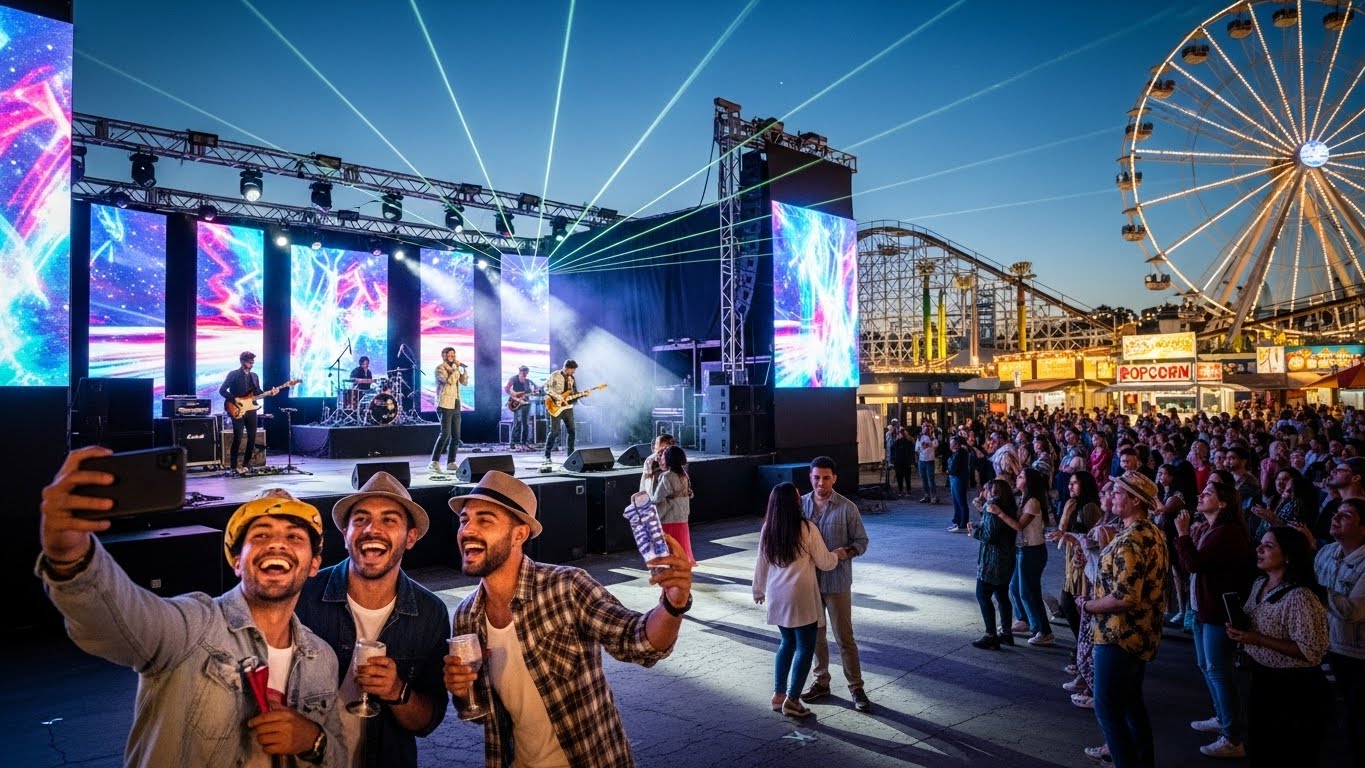
The music industry has adapted to changing technology, from vinyl records to digital streaming. Live performances and festivals remain popular, providing communal experiences that foster emotional connection. Music also intersects with other forms of entertainment, enhancing films, games, and performances with emotional depth and cultural context.
The Evolution of Film and Television
Film and television continue to be dominant forms of entertainment. The cinematic experience combines storytelling, visual artistry, and music to evoke emotion and imagination. Blockbuster films captivate global audiences, while independent films offer unique perspectives and experimental storytelling techniques.
Television has similarly evolved. The era of limited channels and scheduled programming has given way to on-demand series and web-based content. Audiences now have access to niche genres, documentaries, and international productions, allowing for diverse consumption patterns and a more personalized viewing experience.
The Influence of Celebrity and Pop Culture
Entertainment has always shaped societal trends, and celebrities play a central role in this influence. Actors, musicians, and social media influencers guide fashion, language, lifestyle, and even social values. Their reach extends beyond traditional media, as fans engage with them directly through digital platforms.
This direct connection has transformed celebrity culture. Public figures now interact with their audience in real-time, offering glimpses into their personal lives, promoting causes, and even influencing political discourse. Entertainment, in this sense, is not only about content but also about the relationships between creators and their audience.
Gaming as a Cultural Phenomenon
Video games have emerged as one of the most influential forms of modern entertainment. Beyond mere recreation, gaming offers complex narratives, competitive environments, and social communities. Multiplayer and esports titles have cultivated global followings, turning players into professional athletes and entertainers.
Gaming also encourages collaboration, strategic thinking, and creativity. It serves as a medium for storytelling and social interaction, bringing together people from diverse backgrounds. As technology advances, gaming continues to innovate, providing increasingly immersive experiences that redefine how entertainment is consumed.
The Social Role of Entertainment
Entertainment serves a social purpose beyond individual enjoyment. It brings people together, fosters community, and sparks conversation. Shared experiences, whether attending a concert, watching a popular film, or playing a multiplayer game, create bonds and collective memories.
Entertainment also has the power to challenge societal norms, raise awareness of important issues, and inspire change. Documentaries, socially conscious films, and music often highlight pressing global topics, influencing opinions and encouraging dialogue. This dual role of entertainment as both escapism and social commentary underscores its significance in modern life.
The Economics of Entertainment
The entertainment industry is a major economic driver worldwide. Revenue streams include box office sales, streaming subscriptions, live events, music sales, merchandising, and advertising. The industry’s economic impact extends to jobs, tourism, and technology, reflecting its influence on broader society.
Independent creators and digital platforms have democratized participation, allowing new voices to enter the market. Crowdfunding, social media promotion, and streaming services enable creators to reach audiences directly, further fueling growth and diversity in entertainment offerings.
Challenges and Adaptations
Despite its growth, the entertainment industry faces challenges. Piracy, changing consumer preferences, and technological disruption require constant adaptation. Creators must innovate to capture audience attention while maintaining quality and originality.
The industry also grapples with ethical considerations, including representation, mental health impacts, and accessibility. Ensuring that entertainment remains inclusive, responsible, and meaningful is essential for its continued relevance in society.
The Future of Entertainment
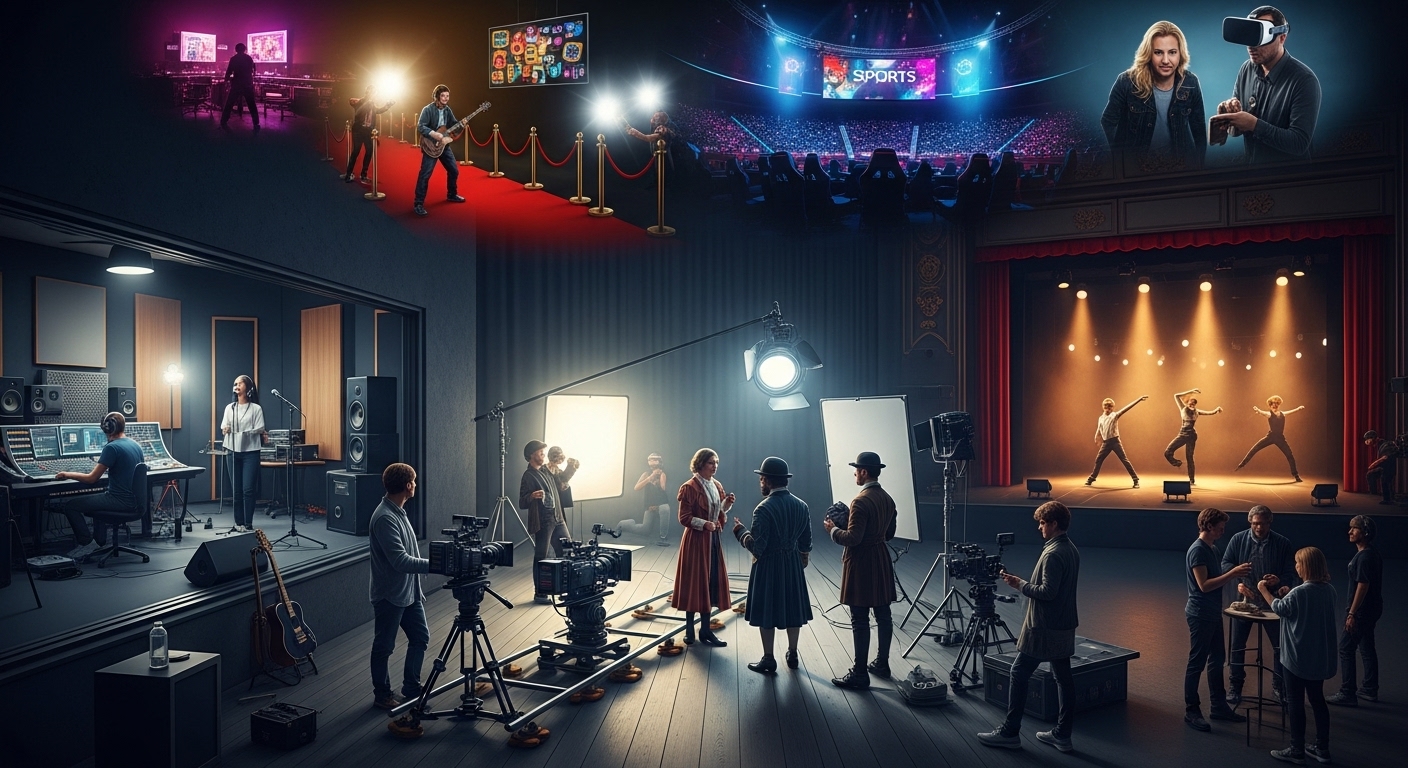
The future of entertainment is likely to be shaped by further technological integration and global connectivity. Virtual and augmented reality will offer increasingly immersive experiences, while artificial intelligence may personalize content in unprecedented ways. Cross-platform experiences, blending gaming, music, film, and social interaction, will redefine how audiences engage with entertainment.
Moreover, entertainment will continue to serve as a reflection of culture, creativity, and human experience. Its ability to adapt to societal changes, embrace innovation, and connect people ensures that it will remain a central part of life for generations to come.
Conclusion
Entertainment is far more than a pastime; it is a reflection of human creativity, culture, and connection. From the earliest storytelling traditions to the complex, technology-driven experiences of today, it shapes the way we think, feel, and interact with the world. Music, film, television, gaming, and interactive media continue to evolve, reflecting societal trends while influencing them.
As technology advances and audiences seek more personalized and immersive experiences, the entertainment industry will continue to grow, diversify, and inspire. Its impact on culture, economy, and social connection ensures that entertainment remains a vital and dynamic force in modern life. The ever-evolving world of entertainment reminds us that while formats change, the human desire to be captivated, moved, and inspired will never fade.