The Ever-Shifting Stage: How Entertainment Shapes Culture and Connection

Introduction: Entertainment as a Mirror of Society
Entertainment has always been a reflection of the human experience. From ancient theater and music to modern cinema and digital content, it provides insight into our values, emotions, and aspirations. Beyond just amusement, entertainment connects people, shapes culture, and drives innovation. Whether through storytelling, performance, or interactive experiences, it influences how we perceive the world and how we interact with each other. This blog explores the evolution of entertainment, its various forms, and the profound impact it continues to have on society today.
The Evolution of Entertainment: From Stage to Screen
The journey of entertainment mirrors humanity’s growth. Ancient civilizations enjoyed theater, music, and storytelling to pass down knowledge, celebrate milestones, or simply delight audiences. Over time, technological advancements transformed these experiences. The invention of film brought stories to life in ways that were previously unimaginable, making it possible for audiences to witness drama, comedy, and spectacle on a grand scale. Television further revolutionized entertainment by bringing content directly into homes, while the digital era introduced streaming, gaming, and social media, creating endless possibilities for engagement and consumption.
The Power of Storytelling
At the heart of all entertainment lies storytelling. Stories captivate, inspire, and resonate with audiences on a deep emotional level. Books, movies, and plays transport people into new worlds, allowing them to experience different lives, cultures, and perspectives. The power of a compelling narrative lies in its ability to evoke empathy and reflection. Through stories, entertainment not only amuses but educates, challenges norms, and sparks conversations about society, morality, and human nature.
Music: The Universal Language
Music is one of the oldest and most universal forms of entertainment. It transcends language, culture, and borders, connecting people through rhythm, melody, and emotion. From live concerts to digital streaming platforms, music has evolved but remains a vital part of human expression. Genres continuously evolve, blending traditional sounds with modern innovation. Music also plays a significant role in shaping social movements, inspiring creativity, and influencing fashion and lifestyle trends across the globe.
Cinema and Visual Spectacle
Cinema offers a unique form of escapism that combines visual artistry, narrative depth, and emotional resonance. Films are not only entertainment but also cultural artifacts that reflect the times in which they were made. The evolution of special effects, high-definition visuals, and immersive sound design has transformed filmmaking into a multi-sensory experience. Today, global audiences can enjoy movies from diverse cultures, expanding their horizons and fostering a greater appreciation for storytelling worldwide.
Television and the Rise of Serialized Content
Television revolutionized entertainment by delivering stories into living rooms around the world. The rise of serialized content, particularly in the form of drama series and reality programming, changed how audiences engage with narratives. Long-form storytelling allows for complex character development and plot intricacies, fostering loyalty and community among viewers. The convenience of on-demand streaming has further personalized the entertainment experience, letting people watch what they want, when they want.
The Digital Revolution: Social Media and Streaming Platforms
The digital age has redefined entertainment entirely. Social media platforms, video sharing apps, and streaming services have created a world where content is instantly accessible and interactive. Audiences are no longer passive consumers; they are creators, critics, and collaborators. Viral trends, live streams, and user-generated content have democratized entertainment, giving individuals a platform to share creativity and reach global audiences. This era blurs the line between creators and viewers, allowing for a more participatory entertainment experience.
Interactive Entertainment: Gaming and Virtual Experiences
Gaming has emerged as one of the most dynamic forms of modern entertainment. It combines storytelling, strategy, skill, and social interaction. Players are immersed in interactive worlds, where their choices and actions shape outcomes. Beyond entertainment, gaming fosters community, creativity, and problem-solving skills. Virtual reality and augmented reality experiences further push boundaries, creating immersive environments that engage multiple senses and redefine what it means to be entertained.
Live Events: Music, Theater, and Festivals
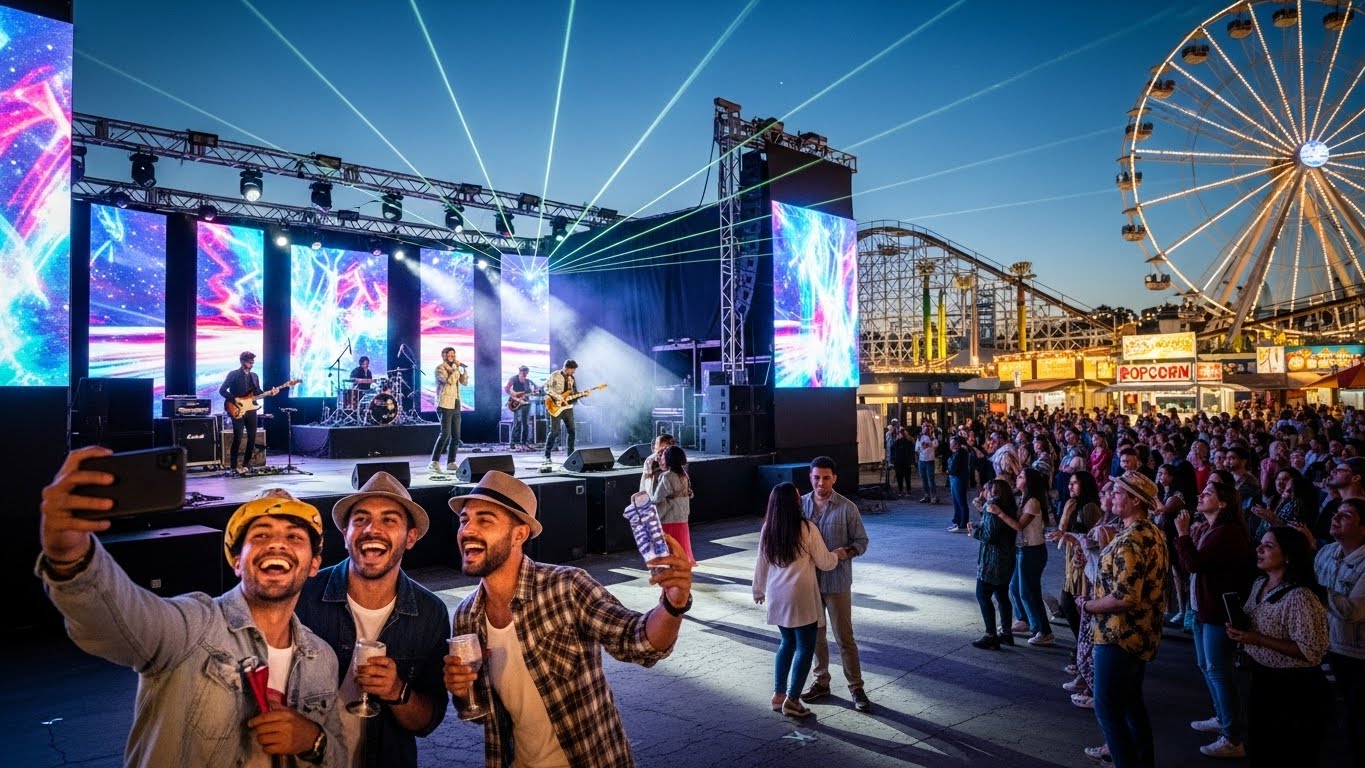
Despite the rise of digital entertainment, live experiences remain unparalleled. Concerts, theater performances, and festivals offer a shared experience that connects people in ways screens cannot replicate. The energy of a live audience, the immediacy of performance, and the unpredictability of human expression make live entertainment a powerful and enduring medium. These events also serve as cultural celebrations, highlighting music, art, and traditions from around the world.
The Influence of Celebrities and Public Figures
Entertainment is also shaped by the personalities who create and perform content. Actors, musicians, athletes, and social media influencers have a significant impact on culture, trends, and public discourse. Celebrities not only entertain but also inspire, advocate for causes, and influence lifestyle choices. Their reach and visibility amplify the cultural impact of entertainment, making it a powerful tool for shaping opinions and driving social change.
Diversity and Representation in Modern Entertainment
The entertainment industry has increasingly recognized the importance of diversity and representation. Inclusive storytelling ensures that a wide range of voices, experiences, and identities are visible and celebrated. From film and television to music and gaming, diverse representation enriches content, fosters empathy, and allows audiences to see themselves reflected on screen and stage. This evolution contributes to a more equitable and dynamic cultural landscape.
Entertainment as a Catalyst for Innovation
Innovation in entertainment drives creativity in technology, design, and communication. Cutting-edge visual effects, immersive audio, and interactive platforms continually push boundaries. Entertainment often intersects with other industries, inspiring new forms of art, advertising, and even education. By experimenting with new technologies and formats, the entertainment industry not only captivates audiences but also sets the stage for broader cultural and technological advancements.
The Business of Entertainment
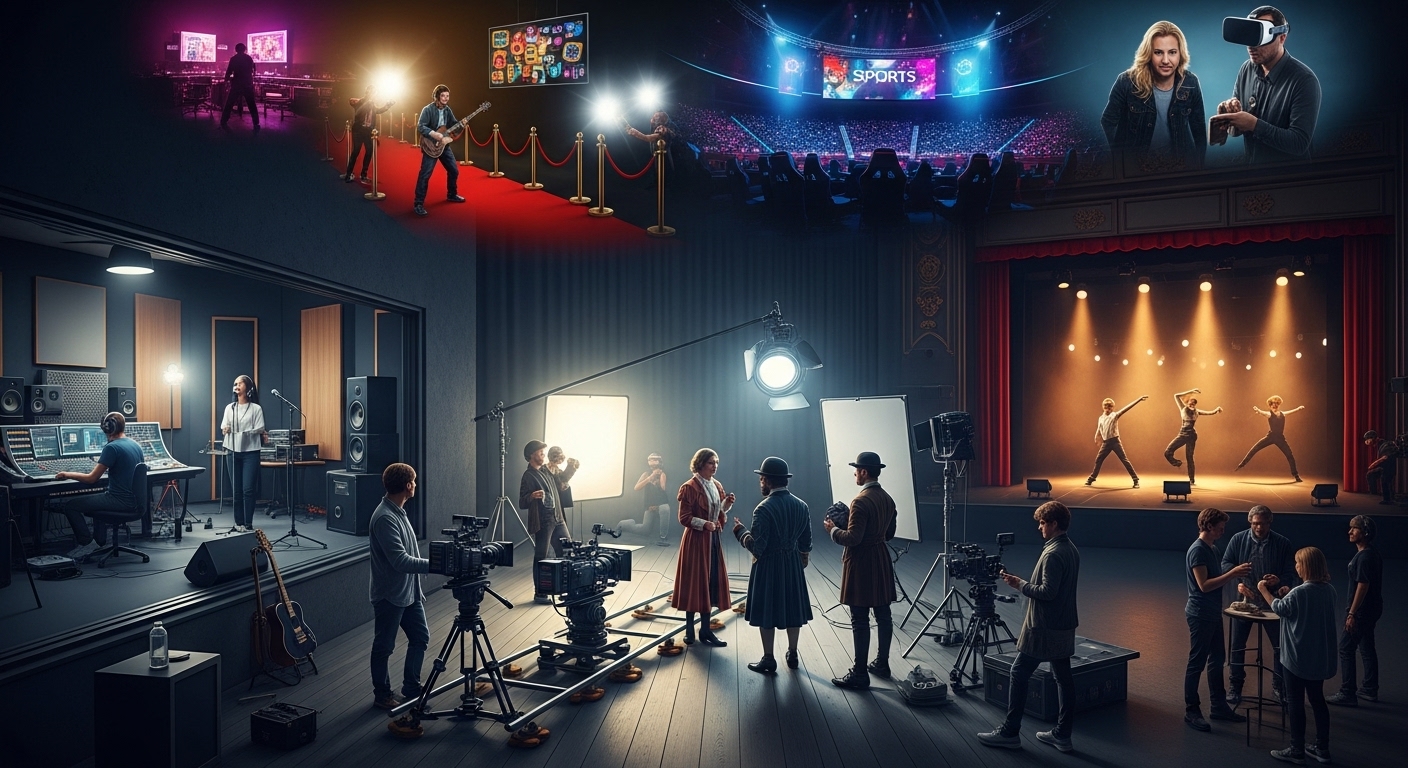
Behind every performance, film, or game is a complex ecosystem of creators, producers, marketers, and distributors. The business of entertainment is a driving force behind cultural production, with significant economic impact. Studios, record labels, production companies, and streaming platforms invest heavily in talent, technology, and promotion to meet audience demand. The success of entertainment content relies on understanding consumer behavior, anticipating trends, and balancing creativity with market dynamics.
The Psychological Impact of Entertainment
Entertainment affects emotions, cognition, and behavior. Engaging with stories, music, and performance can reduce stress, inspire creativity, and strengthen social bonds. It also provides a safe space for exploring complex emotions and moral dilemmas. Interactive entertainment, such as gaming, enhances problem-solving and decision-making skills. When consumed thoughtfully, entertainment contributes positively to mental well-being and personal growth, offering both joy and reflection.
The Future of Entertainment: Beyond Imagination
The future promises entertainment that is increasingly immersive, personalized, and interconnected. Artificial intelligence, virtual reality, and augmented reality will continue to redefine experiences. Content will adapt to individual preferences, creating unique narratives and interactions. Global collaboration will introduce audiences to diverse cultures and artistic perspectives. As technology and creativity converge, entertainment will continue to evolve, offering experiences that are richer, more inclusive, and more transformative than ever before.
Conclusion: Entertainment as a Cultural Compass
Entertainment is far more than amusement. It is a reflection of humanity, a driver of innovation, and a medium for connection and understanding. Through stories, music, performance, and interactive experiences, entertainment shapes how we think, feel, and relate to one another. As it continues to evolve alongside technology and culture, entertainment will remain a vital force in shaping society, connecting people, and inspiring the imagination for generations to come.