The Evolution of Entertainment: From Ancient Spectacles to Digital Experiences

Introduction: Entertainment as a Reflection of Society
Entertainment has always been an essential part of human life. It is more than just leisure; it is a mirror reflecting cultural values, societal changes, and technological advancements. From the storytelling around ancient fires to today’s virtual reality experiences, entertainment has evolved in ways that continually shape how we perceive the world and interact with one another. It brings joy, stimulates creativity, fosters connections, and provides a much-needed escape from the pressures of daily life.
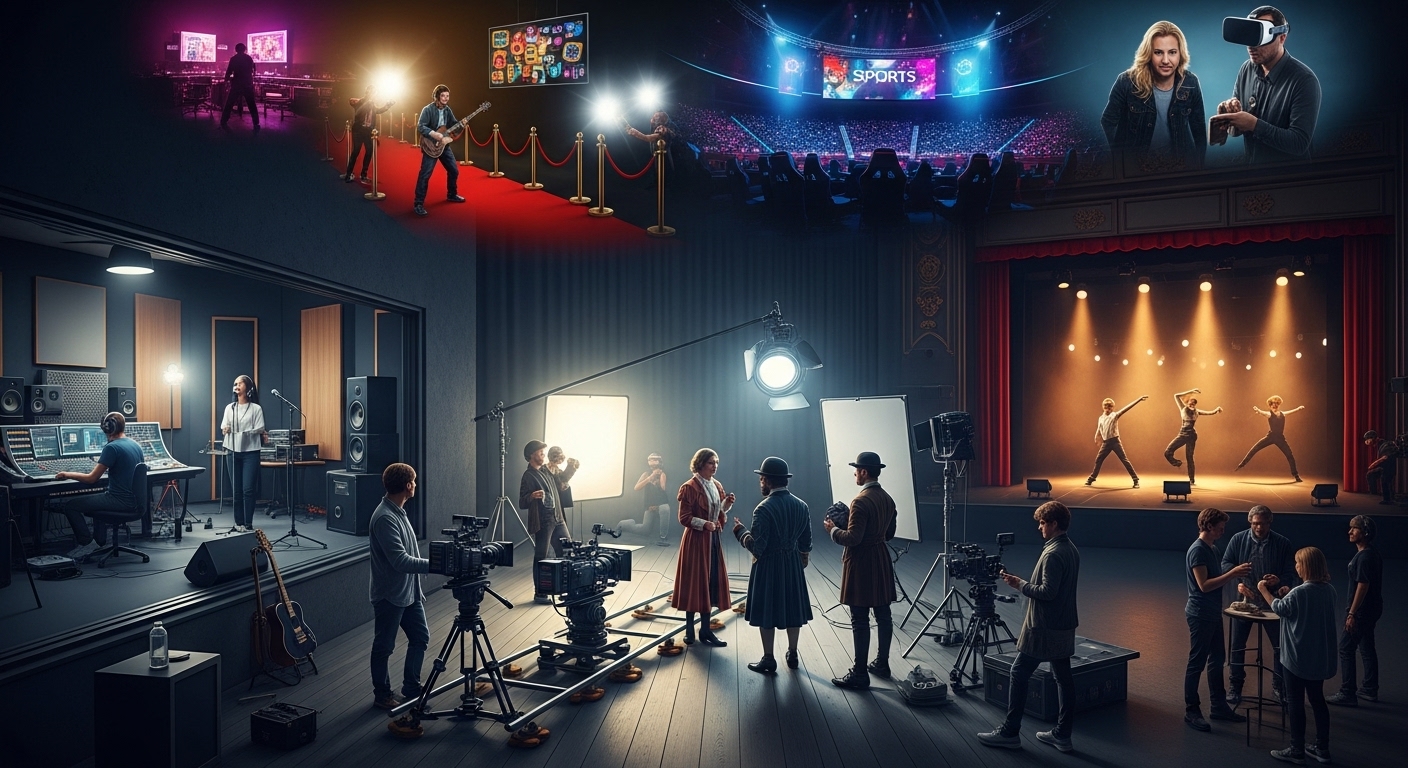
In this blog, we explore the evolution of entertainment, its diverse forms, and the profound impact it has on our culture, technology, and daily experiences.
Ancient Entertainment: The Birth of Spectacle and Storytelling
The roots of entertainment can be traced back to early human societies. Ancient civilizations sought ways to amuse, educate, and unite their communities. Storytelling was a primary form of entertainment, with myths, legends, and folktales passed down through generations. These stories not only entertained but also conveyed moral lessons and preserved cultural traditions.
Public spectacles were another popular form. In ancient Rome, gladiatorial games and theater performances drew massive crowds, blending art with competition and often serving political or religious purposes. Similarly, in ancient Greece, theater became a cornerstone of cultural life, where tragedies and comedies explored complex human emotions and societal dilemmas. These early forms of entertainment laid the foundation for the diverse experiences we enjoy today.
The Rise of Music and Dance as Universal Entertainment
Music and dance have always held a universal appeal, transcending cultural and linguistic barriers. From tribal rhythms used in rituals to classical compositions performed in grand concert halls, music has been a constant companion to humanity. Dance, similarly, has served both as a form of storytelling and as a celebration of life.
Over time, technological innovations expanded the reach of music and dance. The invention of musical instruments allowed for greater creativity, while recorded music enabled songs to travel far beyond their origin. Dance evolved from traditional folk expressions to intricate forms performed on global stages. Today, music and dance continue to dominate entertainment, influencing fashion, lifestyle, and social trends.
The Golden Age of Theater and Literature
Theater and literature have been central to entertainment for centuries. Theater allows audiences to experience human emotion and societal commentary in real time. From Shakespearean dramas to modern experimental plays, theater has evolved into a sophisticated form of artistic expression that captivates audiences worldwide.
Literature, on the other hand, provides an intimate form of entertainment. Books transport readers to distant lands, immerse them in complex characters, and challenge their imagination. With the advent of printing technology, literature became more accessible, allowing stories to reach larger audiences and influence societal thought. Today, both theater and literature continue to inspire creativity, provoke thought, and entertain audiences across generations.
Cinema: The Magic of Moving Images
The invention of cinema revolutionized entertainment. Moving pictures brought stories to life in ways previously unimaginable. Silent films initially captivated audiences, and the addition of sound, color, and special effects further enhanced the cinematic experience. Cinema transformed storytelling into a visual spectacle, appealing to emotions and creating shared experiences on a global scale.
Movies have evolved into a diverse industry, encompassing everything from blockbuster action films to intimate indie productions. Beyond entertainment, cinema reflects cultural trends, addresses social issues, and sometimes even influences public opinion. Film festivals and award ceremonies celebrate artistic achievement, demonstrating how cinema has become a cornerstone of modern entertainment.
Television: Bringing Entertainment to Every Home
Television changed the way people accessed entertainment, bringing stories, news, and performances directly into living rooms. Television programming diversified over the decades, including sitcoms, dramas, reality shows, documentaries, and live broadcasts. This accessibility allowed families to gather and share experiences, strengthening the social role of entertainment.
Television also played a key role in shaping cultural norms and trends. Iconic shows and series have influenced fashion, language, and social behavior. The evolution of television, from analog broadcasts to streaming services, has ensured that entertainment remains immediate, personalized, and on-demand, catering to the fast-paced lifestyles of modern audiences.
The Digital Revolution: Gaming and Interactive Entertainment
The rise of digital technology has redefined entertainment in profound ways. Video games, once considered a niche hobby, have become a dominant form of interactive entertainment. Games immerse players in virtual worlds, challenge their skills, and provide social experiences through online communities. Gaming combines storytelling, visual artistry, and real-time interaction, creating a dynamic form of entertainment unmatched by traditional media.
Interactive media extends beyond gaming. Virtual reality and augmented reality experiences allow users to explore digital spaces, participate in simulations, and engage in new forms of storytelling. Social media platforms, video streaming, and content creation tools have democratized entertainment, allowing anyone to become both a consumer and a creator.
Live Performances: Music Festivals and Stage Shows
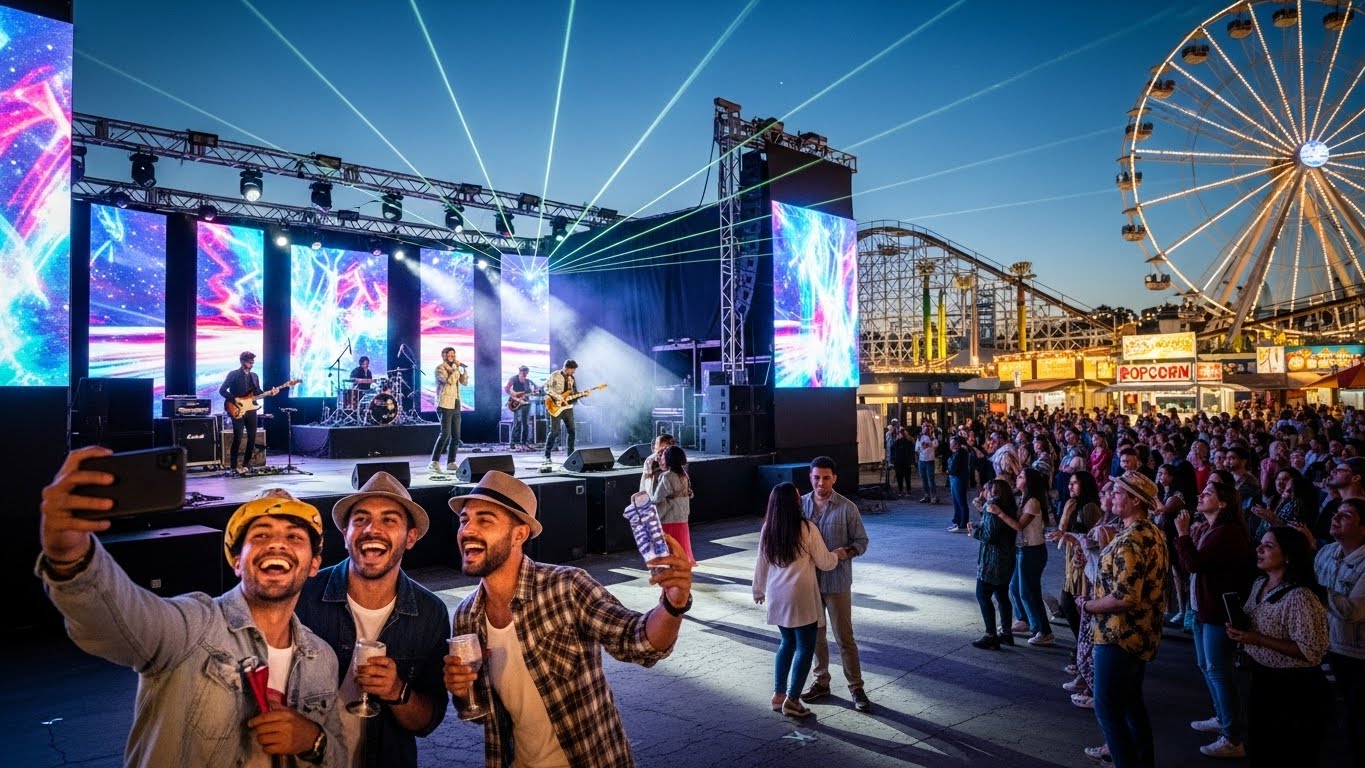
Despite technological advancements, live performances continue to captivate audiences. Music festivals, theater productions, dance recitals, and circus acts provide communal experiences that cannot be replicated digitally. The energy of a live crowd, the spontaneity of performers, and the shared emotions of spectators create moments of connection and joy.
Live entertainment also adapts to cultural and social trends. From classical symphonies to contemporary music festivals, these events celebrate creativity while fostering community engagement. The enduring appeal of live performance demonstrates that entertainment is not just about consumption—it is about participation and shared experience.
Streaming Platforms: Personalized Entertainment on Demand
Streaming technology has transformed how people consume entertainment. Services that offer movies, television shows, music, and even live events provide instant access to vast libraries of content. Audiences can watch, listen, or play whenever they choose, allowing for highly personalized experiences.
Streaming platforms also empower creators, giving independent artists and small studios access to global audiences without traditional barriers. This democratization of entertainment has resulted in a surge of creativity and innovation, with diverse stories and voices finding their place in the global cultural landscape.
The Role of Social Media in Modern Entertainment
Social media platforms have become central to entertainment, blending creativity, social interaction, and content consumption. Short videos, live streams, challenges, and viral trends capture global attention in real time. Influencers, musicians, comedians, and artists use social media to reach audiences directly, bypassing traditional media channels.
Social media has also changed how audiences engage with entertainment. Fans participate in discussions, share content, and even influence creative decisions. This level of interaction fosters a sense of belonging and community, highlighting how entertainment is no longer a one-way experience but a collaborative cultural phenomenon.
Entertainment as Education and Awareness
Beyond amusement, entertainment often serves educational and awareness purposes. Documentaries, historical dramas, and informative programs educate audiences while keeping them engaged. Music, literature, and theater can shed light on social issues, challenge stereotypes, and promote empathy.
Educational games and interactive experiences make learning enjoyable, combining fun with skill development. Entertainment, therefore, is not merely a distraction but a medium that can inspire thought, broaden horizons, and create meaningful experiences that impact society positively.
The Global Impact of Entertainment
Entertainment transcends borders, connecting people across cultures. Music, films, television, and digital content travel worldwide, influencing fashion, language, and lifestyle. International collaborations, co-productions, and global fan communities illustrate the universal appeal of entertainment and its power to unite diverse audiences.
The globalization of entertainment also fosters cultural exchange, allowing people to experience traditions, stories, and perspectives from around the world. This interconnectedness enriches human experience and emphasizes the importance of entertainment as a bridge between cultures.
The Future of Entertainment: Innovation and Immersion
The future of entertainment promises unprecedented innovation. Emerging technologies like artificial intelligence, virtual reality, augmented reality, and immersive simulations will create experiences that blur the line between reality and imagination. Interactive storytelling, personalized content, and AI-driven creativity will transform how audiences engage with entertainment.
As technology evolves, the essence of entertainment remains the same: it seeks to inspire, engage, and connect. The next era may offer experiences we cannot yet imagine, but the core purpose of entertainment—to bring joy, reflection, and shared moments—will continue to drive its evolution.
Conclusion: Entertainment as a Lifelong Companion
Entertainment is a reflection of human creativity, culture, and technological progress. It evolves alongside society, adapting to new mediums, tastes, and innovations while remaining a source of joy and inspiration. From ancient stories and public spectacles to digital gaming and streaming platforms, entertainment has always played a central role in human life.
It shapes the way we communicate, learn, and experience the world, offering both escape and insight. As we continue to innovate and explore new forms of engagement, entertainment will remain a vital companion in our personal and collective journey, connecting generations and cultures through the shared love of stories, music, and experiences.