
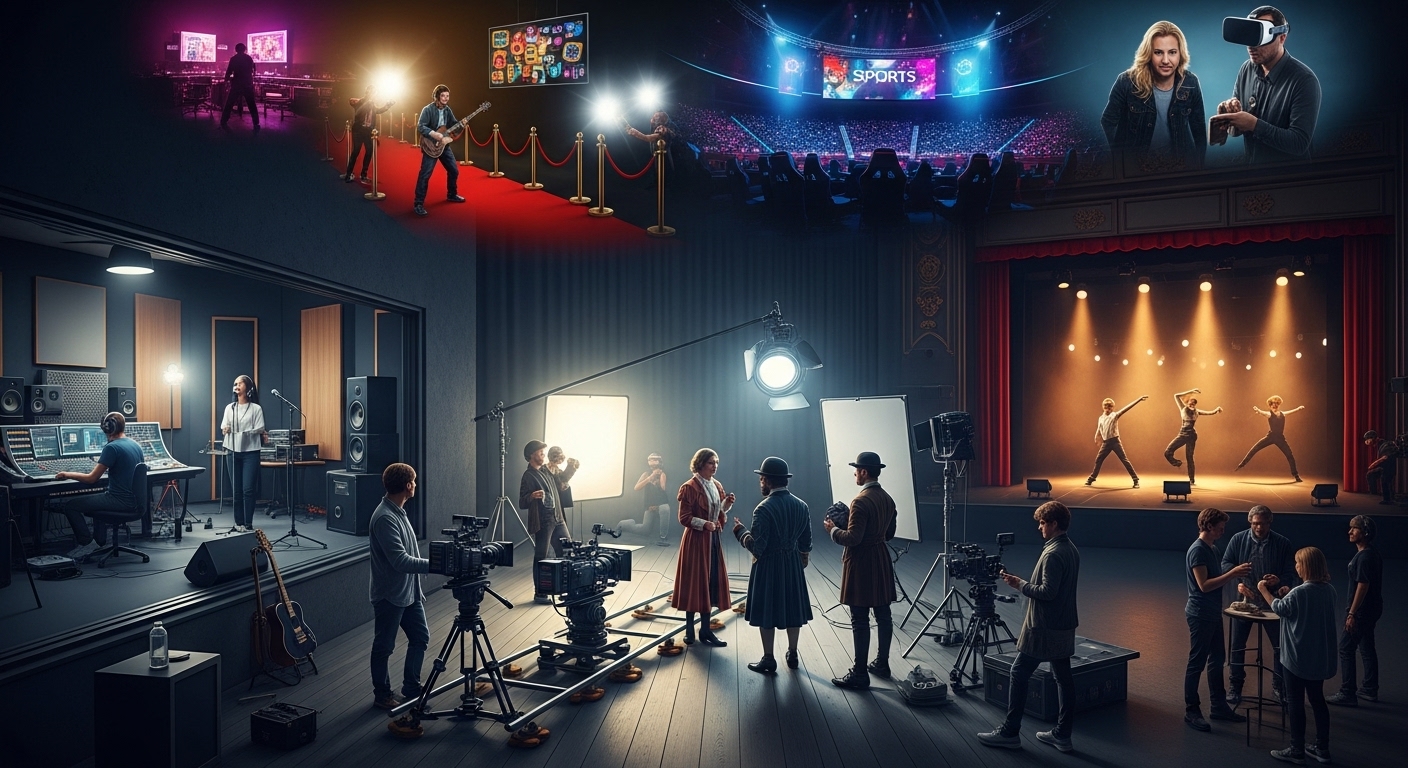
The Evolution of Entertainment: From Storytelling to Immersive Experiences
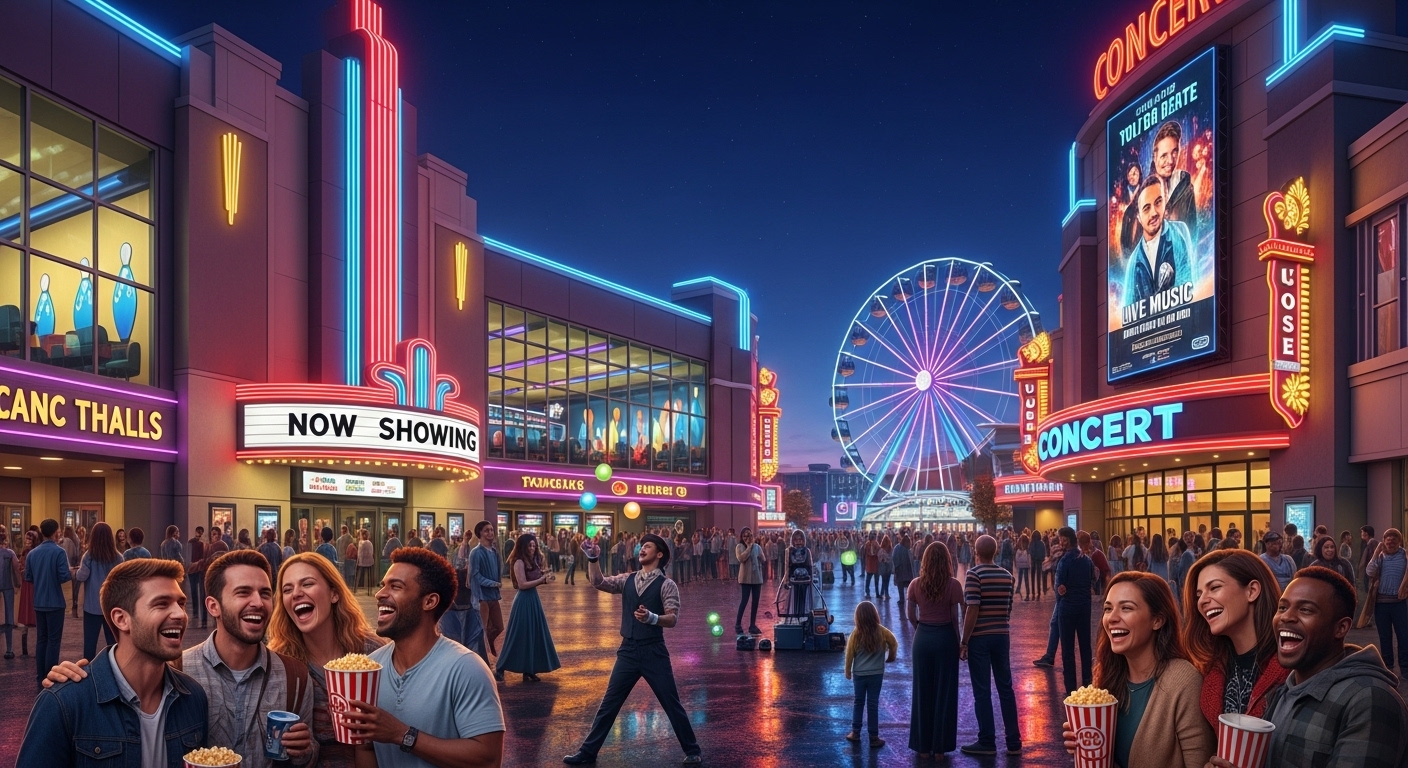
Introduction: The Power of Entertainment
Entertainment is an essential part of human life, offering a way to relax, connect, and experience joy. From ancient storytelling around fires to the modern era of streaming platforms, entertainment has always reflected human creativity, culture, and emotion. It serves not only as a source of leisure but also as a means of expression, social bonding, and cultural preservation. The evolution of entertainment mirrors technological advancements, societal changes, and global interconnectedness. This blog explores the various forms of entertainment, their impact, and how they continue to shape our lives today.
The Origins of Entertainment
Entertainment has existed since the dawn of civilization. Early humans entertained themselves through music, dance, storytelling, and visual arts. These activities were not only recreational but also served as a way to pass down traditions, teach lessons, and strengthen community bonds.
Theaters, circus performances, and public gatherings became popular as civilizations advanced, creating spaces for collective enjoyment and cultural expression. Even in its earliest forms, entertainment was about more than just amusement—it was about shared experiences, emotions, and human connection.
The Rise of Performing Arts
Performing arts, including theater, music, and dance, have played a central role in human entertainment for centuries. Theater allowed societies to explore storytelling in a dramatic and expressive way, often reflecting social, political, and cultural themes. Music and dance provided emotional release and communal participation, while also preserving cultural identity.
Classical performances, operas, and ballet set the stage for refined artistic expression, combining technical skill with emotional depth. These forms of entertainment have evolved but continue to influence modern performances, including live concerts, musicals, and dance shows, highlighting their enduring appeal.
The Impact of Cinema
Cinema revolutionized entertainment by combining storytelling, visuals, and sound into a single immersive experience. The invention of motion pictures allowed stories to reach mass audiences, transforming how people perceived art and culture.
Films became a reflection of societal values, struggles, and dreams, often shaping public opinion and cultural trends. From silent films to blockbusters with cutting-edge special effects, cinema has continually pushed the boundaries of creativity. The accessibility of movies, from theaters to home streaming, has made film an essential part of global entertainment culture.
Music: The Universal Language
Music is one of the most universally celebrated forms of entertainment. It transcends language, geography, and culture, offering emotional resonance and connection. From classical compositions to modern pop, rock, hip-hop, and electronic music, the diversity of music ensures that there is something for everyone.
The music industry has evolved alongside technology. Recorded music, radio, television, and streaming platforms have transformed how audiences access and enjoy songs. Live concerts, festivals, and virtual performances provide shared experiences, creating a sense of community and connection among fans. Music continues to influence fashion, culture, and social movements, highlighting its profound impact on society.
Television and Streaming: Entertainment at Home
Television changed the way people consumed entertainment, bringing news, series, and shows into the home. It offered convenience and accessibility, allowing audiences to enjoy entertainment without leaving their living rooms. The rise of cable networks expanded content variety, catering to niche interests and preferences.
With the advent of streaming platforms, entertainment has become even more personalized. Audiences can now choose what, when, and how they watch, creating on-demand experiences that fit individual schedules. Streaming has democratized access to global content, enabling viewers to explore stories and cultures from around the world, breaking down traditional entertainment barriers.
Gaming: Interactive Entertainment
Video games have become a dominant form of entertainment, combining creativity, storytelling, and interactivity. Unlike passive forms of entertainment, gaming allows players to engage, make decisions, and influence outcomes, creating a unique and immersive experience.
From simple mobile games to complex role-playing and virtual reality experiences, gaming appeals to all age groups. Multiplayer games foster social interaction, teamwork, and competition, while single-player narratives offer exploration, strategy, and emotional engagement. The growth of professional gaming and Esports has transformed gaming into a global phenomenon, creating communities, careers, and international competitions.
Social Media and Digital Entertainment
Social media has redefined entertainment by turning everyday interactions into engaging experiences. Platforms like TikTok, Instagram, and YouTube allow users to create, share, and consume content instantly, giving rise to influencers and content creators as new forms of entertainment personalities.
Short videos, live streams, and interactive challenges create instant engagement, blurring the line between creator and audience. Social media has democratized entertainment, allowing individuals to reach millions without traditional platforms or resources. It has also accelerated trends, making viral content a central aspect of modern entertainment culture.
The Role of Technology in Entertainment
Technological advancements have transformed the entertainment industry, enhancing creativity, accessibility, and immersion. High-definition visuals, augmented reality, virtual reality, and artificial intelligence allow audiences to experience content in entirely new ways.
Virtual reality creates fully immersive worlds for gaming, movies, and concerts, while AI-driven recommendations personalize experiences based on individual preferences. Advanced sound systems, 3D imaging, and interactive platforms continue to push the boundaries of entertainment, demonstrating technology’s ability to enhance human creativity and engagement.
Entertainment and Cultural Reflection
Entertainment is a mirror of culture, reflecting societal norms, values, and trends. Films, music, television, and games often explore issues such as identity, politics, social justice, and human emotions. They provide commentary on the world while offering escapism and enjoyment.
Cultural representation in entertainment is increasingly important, as audiences seek diverse stories and perspectives. Inclusive content promotes understanding, empathy, and social awareness, showing that entertainment can both amuse and educate simultaneously.
The Business of Entertainment
Entertainment is also a major economic force. From box office revenue to streaming subscriptions, concerts, and merchandise, the industry generates billions annually. Creative talent, production companies, distributors, and platforms collaborate to deliver engaging experiences while driving economic growth.
The rise of digital content has opened opportunities for independent creators, allowing them to reach global audiences without traditional barriers. Monetization through subscriptions, advertisements, and sponsorships has transformed entertainment into a sustainable profession for many artists and creators worldwide.
Challenges in Modern Entertainment
Despite its global influence, the entertainment industry faces challenges. Piracy, copyright infringement, and digital content saturation pose threats to creators and businesses. Audience attention is fragmented across multiple platforms, making it harder to engage consumers consistently.
The rapid pace of technological innovation also demands constant adaptation. Creators must balance creativity with emerging trends, platform algorithms, and audience expectations. Additionally, ethical considerations, such as representation, mental health impacts, and digital addiction, require ongoing attention to ensure entertainment remains positive and inclusive.
The Future of Entertainment
The future of entertainment is immersive, interactive, and globally connected. Technologies like virtual reality, augmented reality, AI, and blockchain will continue to revolutionize how content is created, distributed, and experienced. Personalized and interactive storytelling will become increasingly prevalent, allowing audiences to shape narratives and participate in entertainment in unprecedented ways.
Global collaboration will expand content diversity, offering insights into different cultures and lifestyles. Additionally, advancements in accessibility will ensure entertainment reaches broader audiences, regardless of physical abilities or geographic location. The future promises a convergence of technology, creativity, and cultural expression that redefines what it means to be entertained.
Conclusion: Entertainment as a Reflection of Humanity
Entertainment is more than a pastime—it is a reflection of human creativity, culture, and connection. From ancient storytelling and performing arts to modern digital platforms and immersive experiences, entertainment has continually evolved alongside humanity. It engages our minds, touches our emotions, and brings people together across boundaries.
As technology and creativity continue to advance, entertainment will become even more immersive, personalized, and culturally diverse. It will remain a cornerstone of society, providing joy, insight, and a window into human experience. In the end, entertainment is not just about amusement; it is about celebrating the richness of human imagination and shared experiences.