The Evolution of Entertainment in the 21st Century: From Traditional to Digital Realms

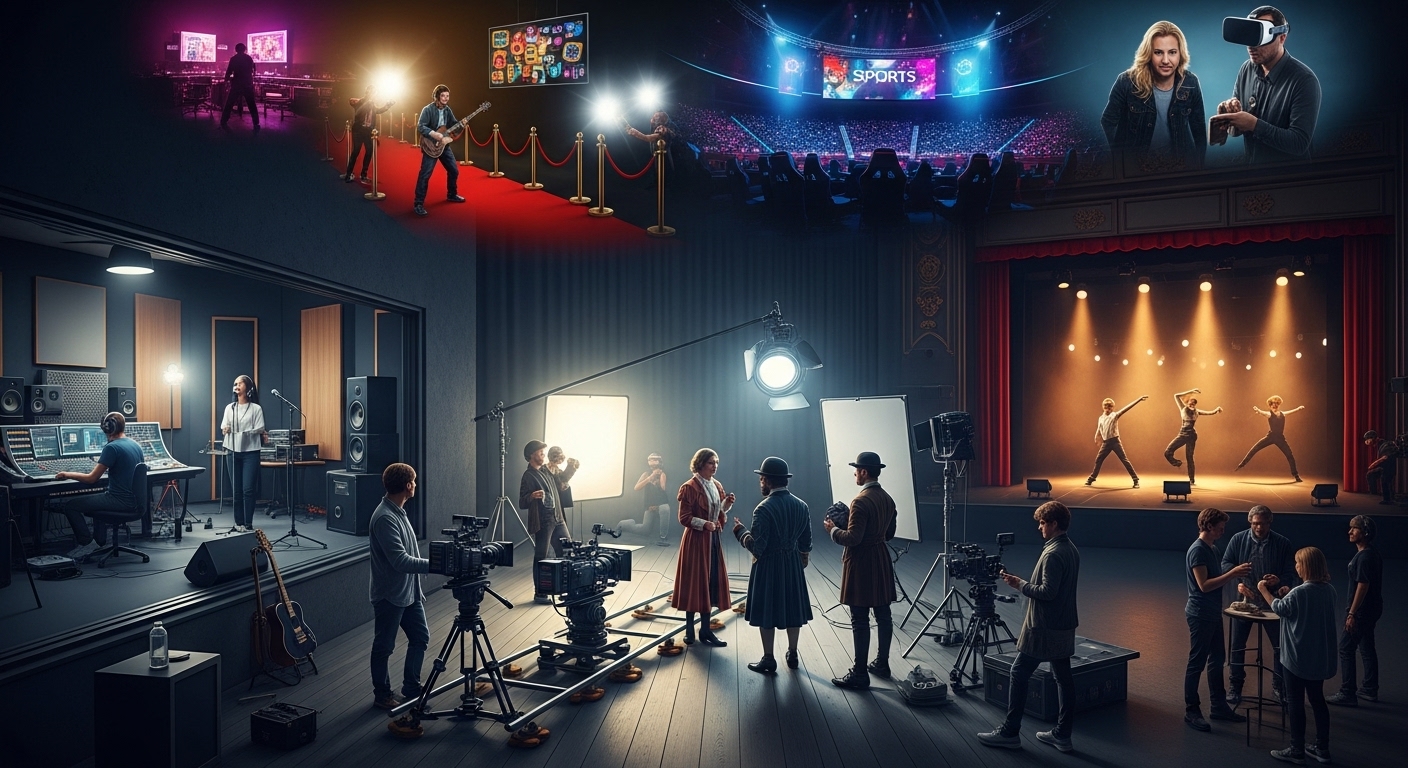
The entertainment landscape has undergone dramatic changes over the past few decades. What was once dominated by physical forms like radio, television, and theater has now evolved into a vast digital universe with an abundance of on-demand services, streaming platforms, and interactive content. From the world of cinema to music, video games, and even virtual reality, the entertainment sector has experienced a transformation that has not only impacted the industry but also reshaped how audiences consume content. This blog post will take a comprehensive look at how entertainment has evolved over the years and where it’s headed in the future, reflecting on the ways in which technology, culture, and consumer behavior have intertwined.
The Golden Age of Cinema: A Retreat to the Big Screen
There was a time when movie theaters were the ultimate destination for entertainment. Cinema’s golden age, particularly during the mid-20th century, established movies as a primary source of entertainment worldwide. People would line up in droves to see the latest releases, eagerly anticipating the magic of the big screen. Stars like Marilyn Monroe, James Dean, and Humphrey Bogart became household names, and the cinema experience was synonymous with glamour and sophistication.
During this period, the rise of television also brought new forms of entertainment into people’s homes. Television shows became a part of the American and global culture, with families gathering together in the living room to watch their favorite shows. The development of color TV, the invention of remote controls, and the rise of cable television added more layers to the entertainment experience. For many, television became the new centerpiece of daily life, while the movie theater remained a venue for special occasions.
However, as the years went on, the world saw the growing influence of digital technologies. The digitalization of media and the rise of the internet gradually began to reshape the entertainment landscape.
The Digital Shift: Streaming Services and On-Demand Culture
The turn of the 21st century marked a significant shift in entertainment, especially with the advent of the internet and broadband technologies. With faster internet speeds came the ability to stream content directly to home devices, bypassing the need for physical copies like VHS tapes or DVDs. In the early 2000s, companies like Netflix began offering DVD rentals by mail, and eventually, they transitioned into online streaming, paving the way for the digital revolution of entertainment.
The major breakthrough came in the form of on-demand services like Netflix, Hulu, and later, Disney+. These platforms revolutionized how people accessed movies and TV shows. With a subscription model, users could access an almost unlimited library of content at their convenience. The concept of binge-watching was born, as users could now watch entire seasons of TV shows without waiting week-to-week for new episodes.
Additionally, streaming services introduced the idea of global access. Content that was once confined to regional or national borders could now be consumed by anyone with an internet connection. International shows and movies gained unprecedented exposure, and the term “global village” became more relevant than ever.
Beyond streaming video content, services like Spotify and Apple Music transformed the music industry. Physical albums gave way to streaming, with users having access to millions of songs at their fingertips. The power of music shifted from record stores and radio stations to algorithms and playlists, with users being able to customize their listening experiences based on mood, genre, or activity.
The success of streaming services has since pushed traditional media outlets like cable television into decline, with many consumers opting for more flexible and affordable entertainment choices. As a result, companies that once dominated the traditional entertainment space, such as Blockbuster, saw themselves displaced by the convenience and cost-effectiveness of digital streaming.
Video Games: From Arcade to Home Consoles and Mobile Phones
While video games have been a staple of entertainment for decades, their evolution is worth noting. The early days of video gaming were primarily centered around arcades, where people would gather to play games like Pac-Man, Space Invaders, and Donkey Kong. This was before home gaming consoles became the household norm.
The 1980s and 1990s saw the rise of major home consoles like the Nintendo Entertainment System (NES), Sega Genesis, and Sony PlayStation. These consoles brought video games into people’s homes, allowing them to experience immersive entertainment without having to leave their living rooms. The launch of iconic titles like Super Mario Bros., The Legend of Zelda, and Final Fantasy created a new era of gaming, one that would captivate millions.
In the early 2000s, gaming consoles became even more powerful, with companies like Microsoft introducing the Xbox and Sony releasing the PlayStation 2 and 3. These consoles became more than just video game systems; they morphed into entertainment hubs, offering access to movies, music, and even online multiplayer experiences. The emergence of online gaming created new social interactions, allowing players to connect with others from around the world.
The mobile gaming revolution further transformed the landscape, especially with the rise of smartphones. Games like Angry Birds, Candy Crush, and Fortnite brought gaming to a broader audience, breaking the traditional mold of hardcore gamers. Casual gaming became a dominant form of entertainment, and mobile phones became the primary device for gaming for many individuals.
Additionally, the development of virtual reality (VR) and augmented reality (AR) technologies has begun to take gaming to new heights. VR allows players to step inside the game world itself, offering a level of immersion that was previously unimaginable. As VR headsets and AR apps continue to evolve, it’s clear that the next frontier in video gaming will be heavily intertwined with these technologies.
Social Media: Redefining the Way We Connect and Entertain
If there’s one aspect of entertainment that has completely redefined how we interact with the world, it’s social media. Platforms like Facebook, Instagram, Twitter, YouTube, and TikTok have shifted the focus from traditional content creation to user-generated content. People are no longer just consumers of entertainment—they are creators themselves, sharing their lives, opinions, and talents with a global audience.
YouTube, for instance, has become a platform where ordinary people can achieve celebrity status, making it a new kind of entertainment that challenges the dominance of Hollywood. Content creators on YouTube and other platforms produce everything from makeup tutorials to gaming streams, travel vlogs, and comedy sketches. The democratization of content creation has allowed for a more diverse range of entertainment, as people from all backgrounds now have the ability to share their stories.
TikTok has taken this to another level, allowing short-form videos to go viral almost overnight. The platform has created a new form of entertainment—bite-sized content that is highly engaging and shareable. In a way, TikTok has become the modern version of a variety show, where anyone can create content that captures the attention of millions.
Social media has also transformed how entertainment is marketed and consumed. The viral nature of content on platforms like Instagram and Twitter has turned celebrities into brand ambassadors, with influencers and creators building massive followings. This has led to the rise of influencer culture, where individuals gain fame by promoting products, services, or lifestyles.
Live Events: The Enduring Appeal of Concerts, Sports, and Theater
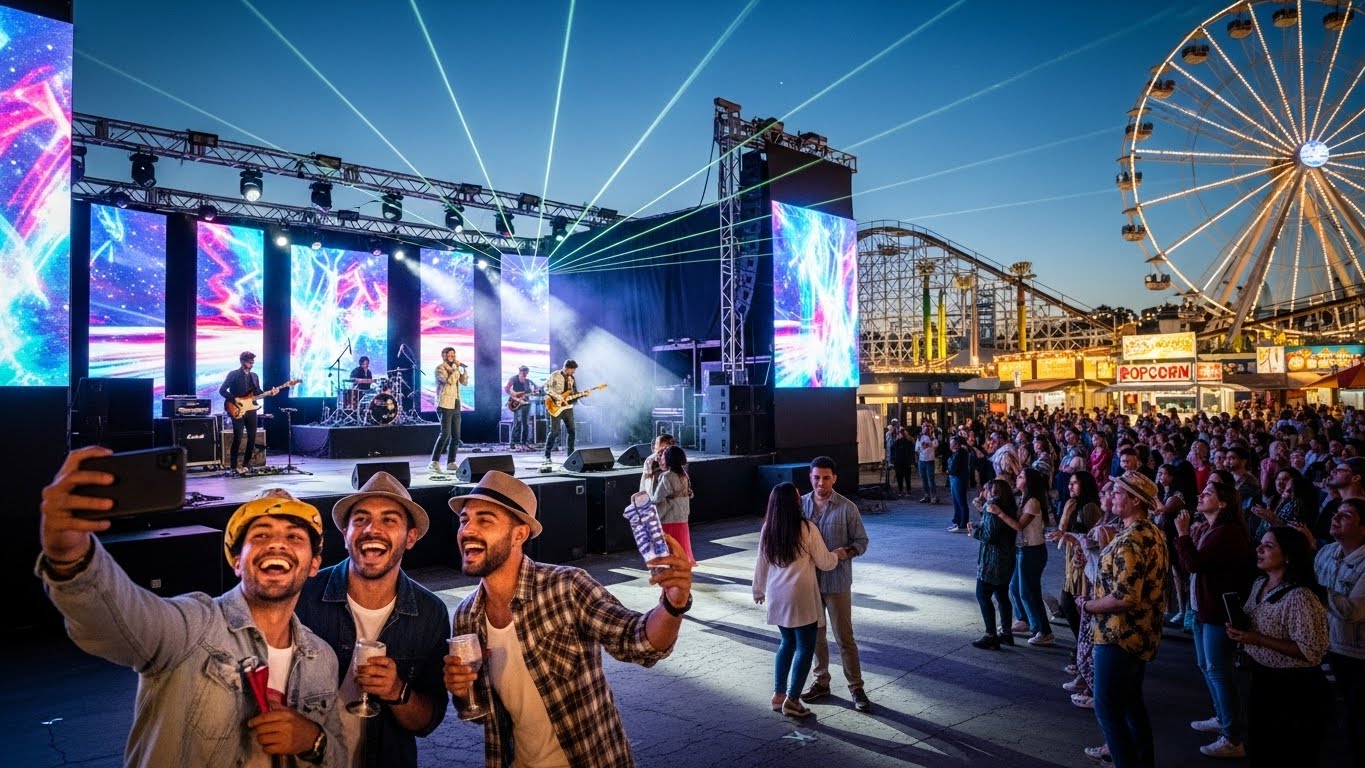
Even in the digital age, there is still something irreplaceable about live events. Whether it’s attending a concert, watching a live sports game, or experiencing a play at a theater, live events offer a unique experience that digital platforms can’t replicate. The energy of being in a crowd, sharing the moment with others, and witnessing something unfold in real-time creates a connection that is difficult to match.
For music fans, concerts and festivals remain an essential form of entertainment. The live performance allows artists to connect with their fans in a way that digital platforms simply cannot. Iconic music festivals like Coachella, Glastonbury, and Tomorrowland have become cultural phenomena, attracting thousands of people from around the world to witness unforgettable performances.
Similarly, sports have maintained their place as one of the most popular forms of entertainment. The thrill of watching a live game, whether in person or on TV, remains a major draw for millions of people. With advancements in broadcasting technology, sports fans can now watch their favorite teams in high-definition, with immersive sound, and even participate in interactive viewing experiences. The rise of eSports, where professional gamers compete in tournaments that are broadcast to global audiences, has further blurred the lines between traditional and digital entertainment.
Theater also continues to play a pivotal role in the entertainment industry. While many people may opt for movies or television shows, theater offers a form of live storytelling that immerses audiences in the art of performance. From Broadway musicals to experimental theater, live theater provides a cultural experience that connects communities and allows for social engagement in a way that digital platforms cannot replace.
The Future of Entertainment: Virtual Reality, Artificial Intelligence, and Beyond
As we look to the future, it’s clear that technology will continue to drive the evolution of entertainment. Virtual reality (VR) and augmented reality (AR) are poised to take entertainment experiences to a whole new level, providing immersive environments that allow users to interact with digital worlds in ways that were once limited to science fiction.
Artificial intelligence (AI) is also becoming a central player in shaping entertainment. AI-driven algorithms already play a major role in personalizing content recommendations on platforms like Netflix and Spotify. In the future, AI could further transform entertainment by creating personalized, interactive experiences. Imagine a movie or TV show where the storyline adapts in real-time based on your preferences or a video game that adjusts its difficulty level according to your skill.
The use of AI could also expand into creative domains. AI-generated music, art, and even film scripts are becoming more sophisticated. Some AI systems have already been used to create music compositions and visual art, raising questions about the role of human creativity in the entertainment industry. As AI tools continue to advance, the line between human and machine-created content will become increasingly blurred.
Another exciting development on the horizon is the rise of holographic entertainment. Holographic concerts, live sports events, and even virtual tourism are expected to become mainstream. This form of entertainment will allow people to experience events and interact with digital environments in three dimensions, creating an entirely new layer of engagement.
Conclusion: Entertainment in an Ever-Changing World
The world of entertainment is constantly evolving, shaped by technological advancements, cultural shifts, and changing consumer behaviors. What began as a simple form of relaxation and leisure has transformed into an expansive and diverse industry that spans the digital and physical realms. From the golden age of cinema to the digital age of streaming, gaming, and social media, the way we experience entertainment has become more personalized, accessible, and interactive.
Looking forward, the future of entertainment seems limitless, with new technologies like virtual reality, artificial intelligence, and holograms paving the way for groundbreaking experiences. As we move deeper into the 21st century, entertainment will continue to play a central role in shaping our cultural and social lives, offering new ways for us to connect, explore, and be entertained.