The Ever-Changing Canvas of Entertainment: From Stage to Screen and Beyond

Introduction: The Pulse of Human Expression
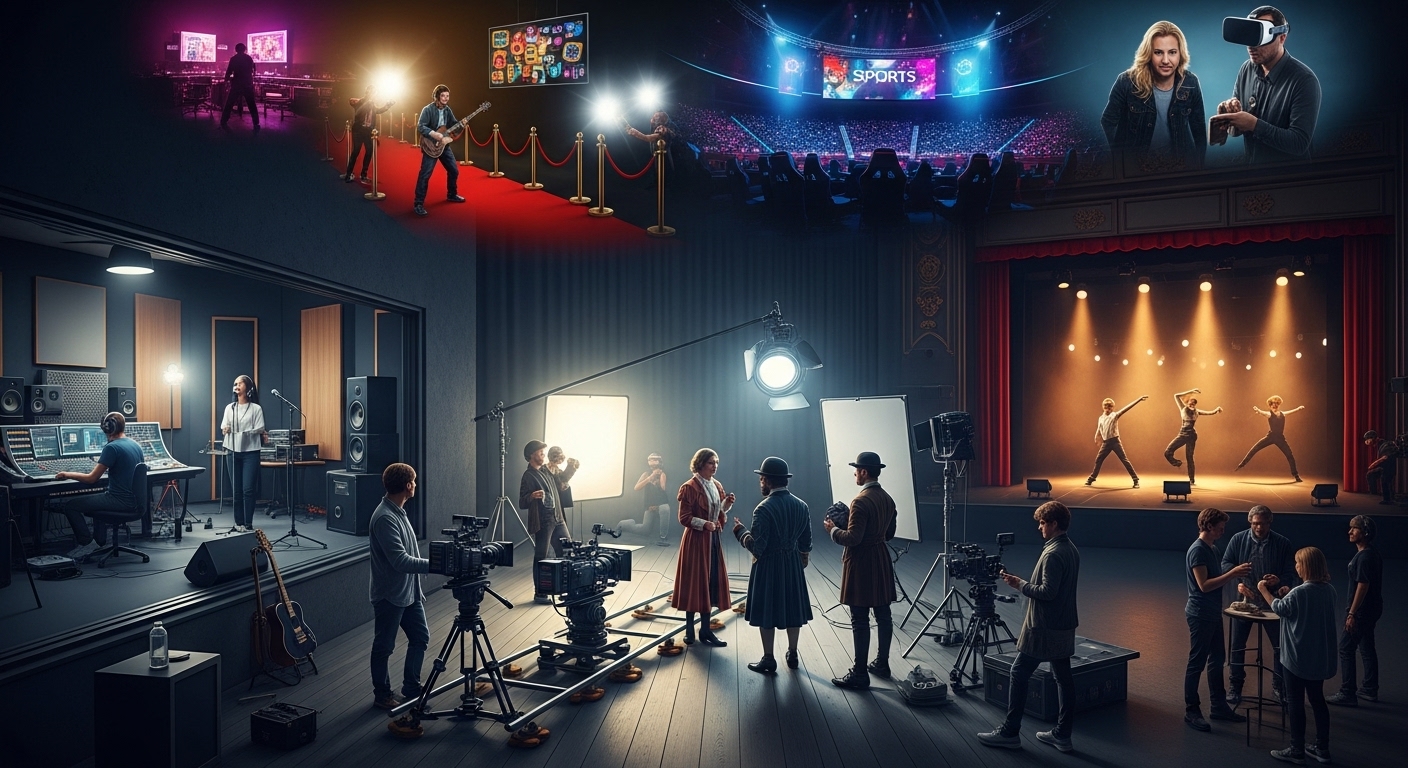
Entertainment has always been more than just a source of fun; it is a reflection of society’s soul, a window into the dreams, fears, and desires of humanity. From the earliest days of storytelling around ancient fires to today’s immersive digital experiences, entertainment has continually evolved to match the rhythm of changing times. It connects us, comforts us, and challenges us to imagine worlds beyond our own. In this age of endless screens and global connectivity, entertainment has become not only a form of pleasure but also a profound part of our daily identity.
The Roots of Entertainment: When Stories Began to Speak
Long before cinemas, concerts, or streaming services existed, entertainment lived through oral traditions. Ancient civilizations relied on storytelling, dance, and music to pass down their heritage. The Greeks introduced dramatic theater, combining tragedy and comedy to explore life’s complexities. In India, epics like the Mahabharata and Ramayana used narrative, rhythm, and performance to teach moral lessons. Similarly, African griots kept entire histories alive through song and spoken word. These early forms of entertainment were not merely diversions but vital tools for education, unity, and survival. They show that humanity’s first instinct for entertainment was rooted in communication and shared experience.
The Golden Age of Stage and Theater
As civilizations advanced, entertainment found new homes in structured art forms. The stage became the center of cultural life. Shakespeare’s plays in England, classical operas in Europe, and Kabuki theater in Japan all brought human emotion to life in vivid color and sound. The stage was more than a performance space—it was a mirror reflecting society’s triumphs and flaws. People dressed in their finest to witness these spectacles, and the collective experience of laughter, sorrow, and awe bound communities together. It was an era when the audience was not passive; applause, gasps, and cheers were part of the drama itself. The theater gave people the chance to escape into fantasy while still recognizing themselves in the characters before them.
The Birth of Cinema: When Motion Pictures Stole the Show
The late 19th century marked a monumental shift in entertainment with the birth of cinema. What began as silent, grainy images projected on walls soon became the most powerful storytelling medium of the modern age. The moving image captured not just actions but emotions, creating a universal language that transcended words. The early black-and-white films evolved into golden age Hollywood, where stars like Charlie Chaplin, Marilyn Monroe, and Audrey Hepburn became larger-than-life icons. Film studios turned entertainment into an industry, and the cinema became the world’s new stage.
Movies transformed how people understood the world. They brought distant cultures into local theaters, allowed the poor and rich to share the same story, and inspired generations of dreamers. Cinema also shaped fashion, music, and even politics. From the charm of old musicals to the rebellion of post-war dramas, film became a lens through which humanity could see itself anew.
Television: The Living Room Revolution
If cinema brought entertainment to the masses, television brought it into their homes. The arrival of TV in the mid-20th century changed how families interacted with entertainment forever. The living room became a shared stage where laughter, suspense, and emotion unfolded nightly. Sitcoms taught humor through everyday life, news broadcasts connected people to global events, and children’s shows shaped young minds with imagination and wonder.
Television gave rise to unforgettable moments that united entire generations. It turned sports events, royal weddings, and award shows into communal experiences. For the first time, entertainment became both personal and collective, intimate yet universal. It was a time when one device connected entire households, creating a sense of belonging and routine that shaped cultural identity across decades.
The Digital Revolution: From Remote to Reality
The rise of the internet in the late 20th and early 21st centuries changed the entertainment landscape more dramatically than any invention before it. With just a click or a tap, people could access a world of movies, music, and games at any hour. Streaming services replaced physical theaters, and smartphones turned everyone into both a creator and a viewer. Social media became a new form of entertainment, blurring the line between reality and performance.
Platforms for video sharing, gaming, and short-form content created new stars who built careers from their bedrooms. Entertainment was no longer controlled by a few studios or networks—it became democratic. Anyone with a story to tell or a skill to show could find an audience. This transformation gave rise to digital influencers, online comedians, virtual concerts, and live-streaming phenomena. The internet became a massive stage without boundaries.
The Art of Music: The Soundtrack of Every Era
Music has always been one of the most enduring forms of entertainment. It captures emotion in a way that words often cannot. Over time, music evolved from live performances to vinyl, from radio to digital streaming. Each generation has had its own soundtrack—from the jazz of the 1920s to the rock of the 60s, the disco of the 80s, the pop explosion of the 2000s, and today’s genre-blending hits.
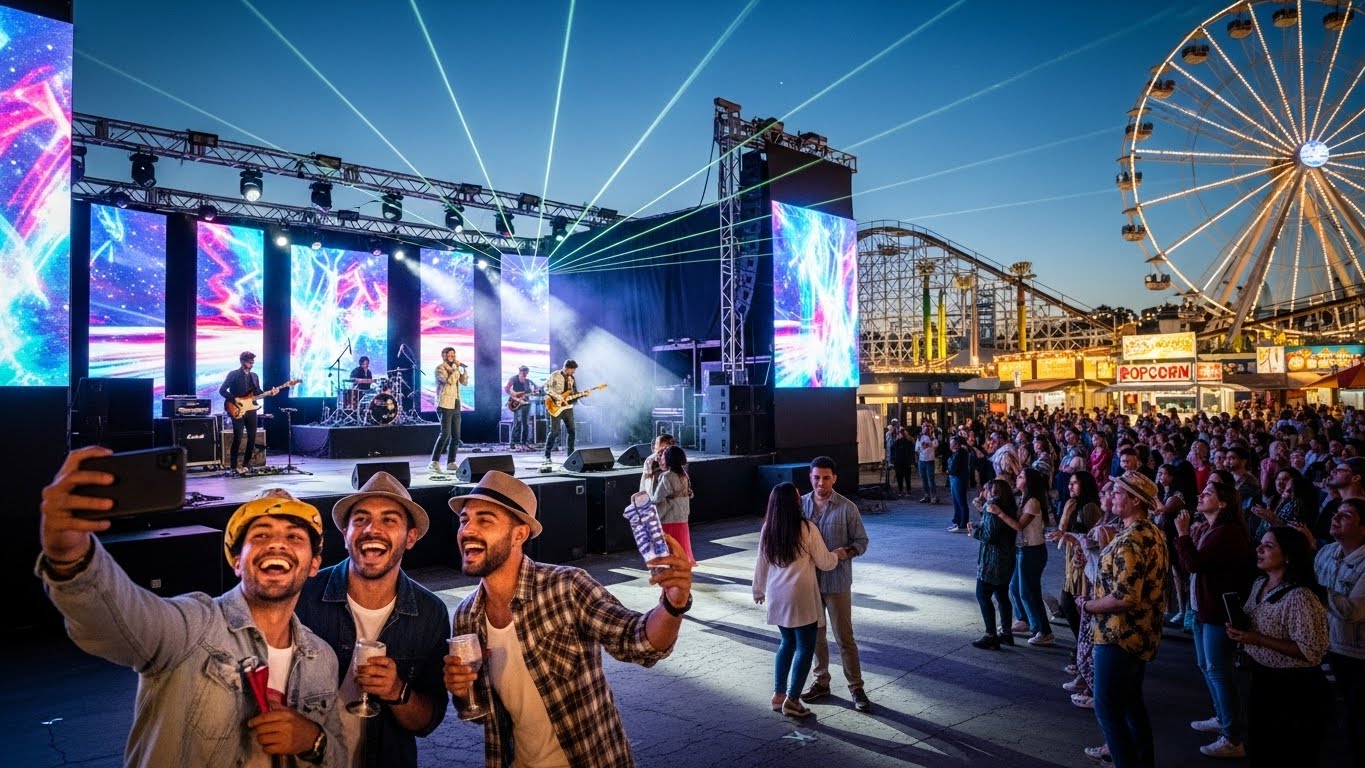
Technology changed not just how we listen but how we create music. Artists can now produce and share songs from home studios, reaching millions without the need for record labels. The global fusion of sounds has created new genres that reflect cultural diversity and unity at once. Music festivals and concerts remain powerful gatherings where energy and emotion collide, reminding us that even in a digital age, human connection through sound is timeless.
Gaming: The New Frontier of Interactive Entertainment
Video games have evolved from simple pixelated screens into vast universes that rival films in complexity and storytelling. Modern gaming is not just about winning or losing—it’s about living another life, exploring imagined worlds, and connecting with millions of players across the globe. Esports have turned gaming into a professional pursuit, with tournaments watched by millions and players celebrated like athletes.
Virtual reality and augmented reality have pushed gaming further, allowing players to step directly into the action. The boundaries between player and story continue to blur. In this interactive age, entertainment is no longer consumed passively; it is experienced and shaped by the participant. Gaming has proven that stories are not just told—they can be lived.
Streaming and the On-Demand Era
The concept of waiting for a showtime or a TV schedule has almost vanished. Streaming platforms allow people to watch what they want, when they want, and where they want. Binge-watching has become part of modern culture, reshaping how stories are written and produced. Series are crafted with cliffhangers designed to keep viewers engaged for hours, creating emotional bonds with characters and narratives.
This on-demand era has also opened doors for diverse voices and stories that traditional media once overlooked. Independent filmmakers and writers now reach global audiences without the need for large budgets or studio backing. The freedom to explore unconventional ideas has brought depth and variety to the world of entertainment like never before.
The Influence of Technology: AI, Virtual Reality, and Beyond
As artificial intelligence, augmented reality, and virtual production techniques advance, entertainment is stepping into a new dimension. Films are being made with digital actors, concerts feature holographic performances, and virtual reality worlds allow viewers to walk inside the story itself. AI-driven personalization tailors content to individual tastes, creating unique viewing experiences for each person.
These innovations promise endless creativity but also raise questions about authenticity and human connection. As technology becomes a co-creator, the challenge will be to preserve the emotional truth that has always been the heart of great entertainment. The future may be digital, but it must remain deeply human.
The Power of Shared Experience
Despite the shift to personalized and digital entertainment, one thing remains constant: people crave shared experiences. Whether it’s cheering for a sports team, singing along at a concert, or reacting to a viral video, entertainment brings people together. It builds communities across languages and borders. It reminds us that joy, laughter, and wonder are universal emotions.
Even in the most advanced digital age, the moments that matter most are those that connect us—to stories, to art, and to one another. Entertainment, in all its forms, continues to be the great equalizer of humanity.
Conclusion: The Infinite Horizon of Imagination
Entertainment has journeyed from ancient firesides to virtual worlds, from live theater to artificial intelligence. Yet its essence remains unchanged: the desire to express, to feel, and to connect. Each era brings new tools and technologies, but the heartbeat of entertainment is timeless. It is the rhythm of creativity that drives human progress and keeps imagination alive.
As we look to the future, entertainment will continue to evolve in ways we can barely imagine today. But whether it is told through a digital avatar or sung by a live performer, the true power of entertainment will always lie in its ability to make us see ourselves—and dream of something greater. It is not just an escape from reality; it is a celebration of being human.