The Ever-Evolving World of Entertainment: A Journey Through Time
Entertainment is an integral part of human civilization. It has been a source of joy, escapism, and social connection for centuries. From ancient performances around a fire to the immersive digital experiences of today, entertainment has continuously evolved to reflect society’s culture, technology, and values. In this blog post, we will explore the diverse world of entertainment, its history, its forms, and its impact on our lives.
The Origins of Entertainment
The concept of entertainment is as old as humanity itself. In prehistoric times, humans gathered around campfires to share stories and perform rituals that combined music, dance, and theater. These early performances were more than just amusement—they were a way to transmit knowledge, preserve traditions, and build communities. Storytelling, in particular, became a universal method of entertainment, providing both education and amusement. Tales of heroism, morality, and survival captivated audiences and laid the foundation for modern literature and theater.
As civilizations advanced, entertainment became more structured. Ancient Greece, for example, is widely recognized for its contributions to drama and theater. Greek tragedies and comedies, performed in grand amphitheaters, explored complex themes such as fate, morality, and human nature. Similarly, ancient Rome popularized spectacles, including gladiatorial games and public performances, offering a mix of thrill, drama, and social commentary. These forms of entertainment not only served as leisure but also reinforced cultural and societal values.
Entertainment Through the Ages
Medieval Entertainment
During the medieval period, entertainment took on a communal and religious character. Festivals, fairs, and theatrical performances provided relief from the hardships of daily life. Traveling minstrels and troubadours brought stories, music, and poetry to towns and villages, making entertainment accessible to ordinary people. Jousting tournaments and courtly performances also entertained nobility, showcasing skill, artistry, and pageantry.
The Renaissance and Artistic Expression
The Renaissance marked a period of profound artistic and cultural revival. Theater flourished with playwrights like Shakespeare, whose works continue to captivate audiences centuries later. Opera, ballet, and classical music emerged as sophisticated forms of entertainment that combined storytelling, visual artistry, and technical skill. The invention of the printing press further revolutionized entertainment by making literature widely available, giving rise to novels and poetry that shaped public taste and imagination.
The Rise of Modern Entertainment
The Industrial Revolution and technological advancements in the 19th and early 20th centuries transformed entertainment dramatically. Music halls, cinemas, and circuses became popular, offering new forms of collective enjoyment. The invention of the phonograph and radio brought music and performances into homes, democratizing access to entertainment. Silent films evolved into “talkies,” and Hollywood emerged as a global epicenter of cinema. With mass media, entertainment began to influence culture on an unprecedented scale.
The Impact of Television
Television revolutionized entertainment in the mid-20th century. It brought news, sports, drama, comedy, and music directly into living rooms, creating shared experiences for families and communities. Sitcoms, game shows, and variety programs became cultural staples, shaping language, fashion, and social norms. Television also became a powerful tool for advertising and marketing, intertwining entertainment with commerce. The visual medium allowed for storytelling in ways that text and radio never could, engaging audiences through sight, sound, and emotion.
Cinema: The Silver Screen Experience
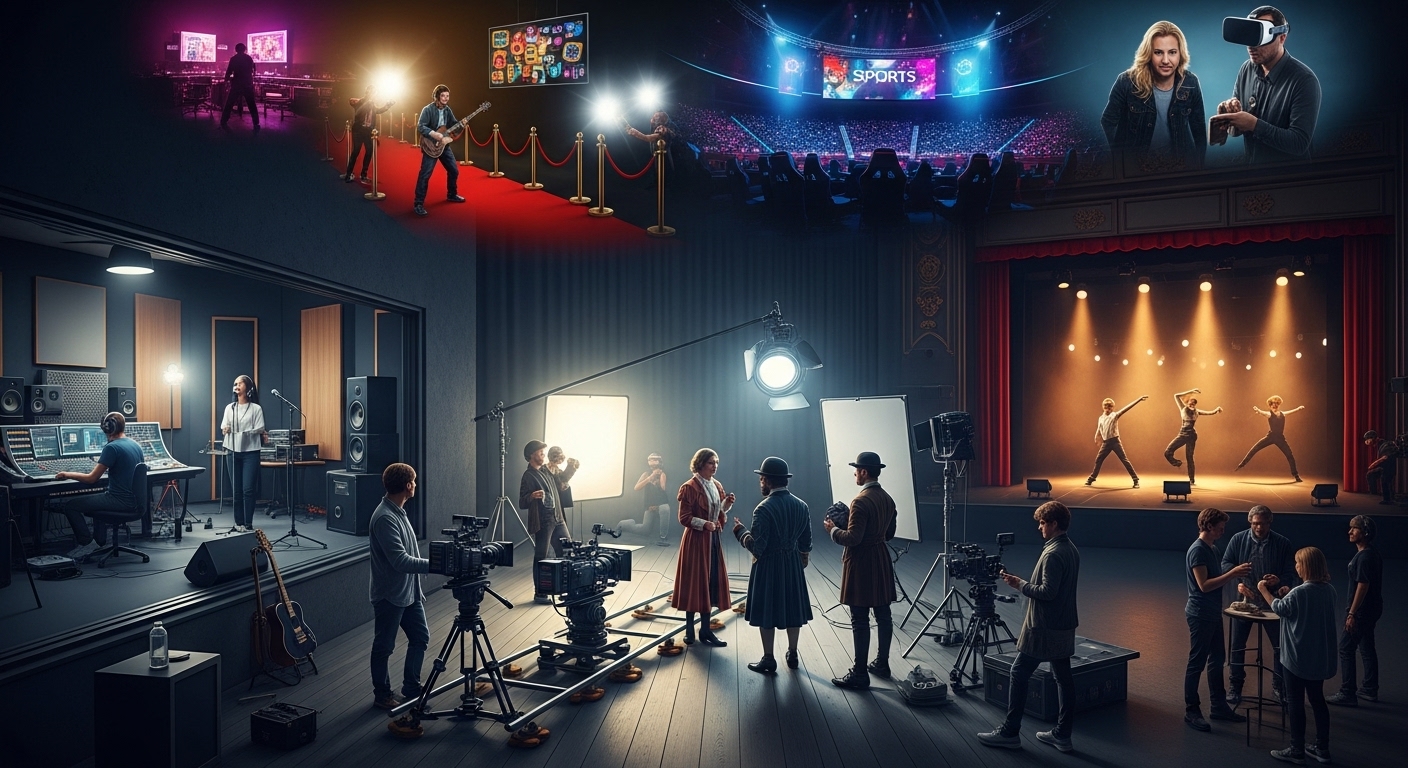
Movies have long held a special place in entertainment, offering immersive storytelling and spectacle. From the silent era to modern blockbusters, cinema has continuously evolved with technology and audience expectations. Directors use lighting, camera angles, and special effects to evoke emotions and create unforgettable experiences. Genres such as action, romance, thriller, and science fiction cater to diverse tastes, ensuring that cinema remains relevant across generations. Film festivals and awards ceremonies further celebrate artistic achievement, influencing trends and inspiring creativity worldwide.
The Digital Revolution in Entertainment
The advent of digital technology has dramatically reshaped entertainment in the 21st century. Streaming platforms have replaced traditional television and movie theaters for many viewers, offering on-demand content at their fingertips. Video games have become a dominant form of entertainment, combining storytelling, competition, and social interaction. Virtual reality and augmented reality experiences are pushing the boundaries of immersion, allowing audiences to engage with content in entirely new ways.
Social media platforms have also transformed how entertainment is produced, shared, and consumed. Short videos, memes, and live streams provide instant amusement and interaction, blurring the line between creators and audiences. Influencers, content creators, and online communities play a pivotal role in shaping trends, making entertainment a more participatory experience than ever before.
Music: The Universal Language
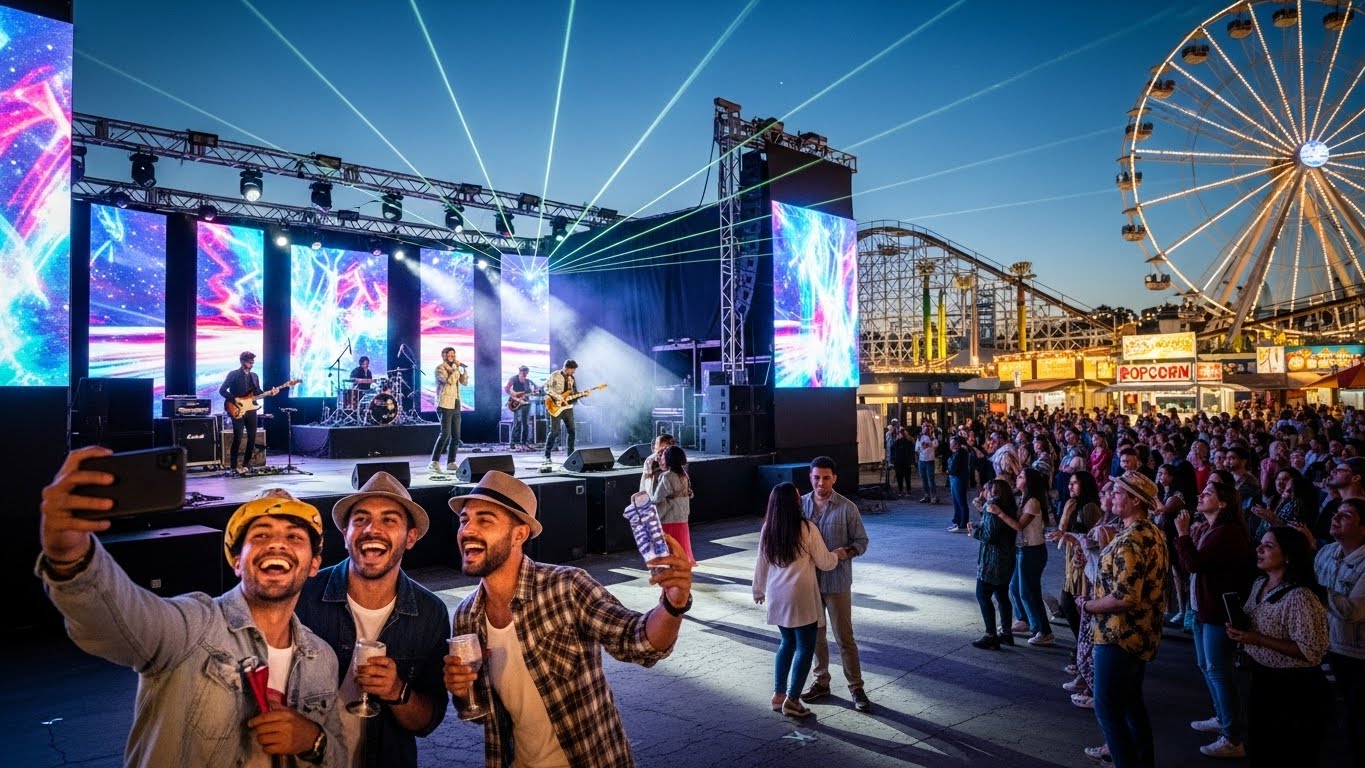
Music has always been one of the most powerful forms of entertainment. It transcends language, culture, and geography, evoking emotions and fostering connections. From classical symphonies to contemporary pop, hip-hop, and electronic music, the diversity of musical expression reflects the creativity and evolution of society. Live concerts and festivals offer collective experiences, where people bond through rhythm, melody, and shared energy. With digital platforms, music is more accessible than ever, allowing artists to reach global audiences instantly.
The Power of Literature and Storytelling
While visual and digital media dominate modern entertainment, literature remains a timeless form. Books, poetry, and storytelling allow individuals to explore imagination, empathy, and understanding. Literature shapes culture, provokes thought, and inspires creativity. The rise of audiobooks and e-books has revitalized reading, making it more convenient for modern audiences while preserving the profound impact of stories. Storytelling, in all its forms, continues to be a cornerstone of human entertainment, offering a mirror to society and a window into the human experience.
Gaming: Interactive Entertainment
Gaming has emerged as a major entertainment industry, combining technology, creativity, and social engagement. Video games offer immersive experiences that challenge players intellectually, emotionally, and strategically. Multiplayer and online games foster communities, connecting people across continents through shared objectives and competition. The rise of esports has turned gaming into a spectator sport, attracting millions of viewers and professional players. Gaming also intersects with storytelling, art, and music, creating rich, multifaceted entertainment experiences.
Live Performances: Theater, Dance, and Music
Despite technological advancements, live performances retain a unique charm. Theater, dance, and live music offer authenticity, spontaneity, and human connection that cannot be replicated digitally. From Broadway productions to street performances, live entertainment immerses audiences in real-time experiences, stimulating emotion and imagination. Cultural performances preserve traditions, celebrate heritage, and bring communities together, reinforcing the social value of entertainment.
Comedy: The Joy of Laughter
Comedy is a universal form of entertainment that transcends age, culture, and language. Laughter is a natural human response that provides relief, joy, and perspective. Stand-up comedy, sitcoms, improv, and humorous films use wit, timing, and observation to engage audiences. Comedy often reflects society, offering satire, critique, and insight while making people laugh. In challenging times, humor serves as both a coping mechanism and a source of unity.
Sports as Entertainment
Sports occupy a unique space between competition and entertainment. Spectators are drawn to the drama, skill, and unpredictability of athletic contests. Whether it’s football, basketball, cricket, or athletics, sports bring communities together, evoke passion, and create shared memories. Major events like the Olympics or World Cup transcend national boundaries, uniting diverse populations through the love of the game. Beyond watching, sports also engage participants physically and mentally, making them a holistic form of entertainment.
The Psychological Impact of Entertainment
Entertainment is not just about amusement; it has significant psychological benefits. It provides relaxation, stress relief, and emotional release. Immersive entertainment can stimulate creativity, improve cognitive skills, and foster empathy by allowing individuals to experience diverse perspectives. Shared entertainment strengthens social bonds, creating a sense of belonging and community. In an increasingly fast-paced and digital world, entertainment plays a vital role in maintaining mental well-being and emotional balance.
The Future of Entertainment
The future of entertainment is poised to be even more immersive, interactive, and personalized. Advances in artificial intelligence, virtual reality, and augmented reality will redefine experiences, allowing audiences to actively participate in storytelling and gaming. Personalized content algorithms will cater to individual tastes, while global connectivity will enable cross-cultural exchanges and collaborations. Entertainment will continue to evolve alongside technology, reflecting societal values and pushing creative boundaries.
Sustainability and ethical considerations are also shaping the industry. Audiences increasingly demand responsible production practices, inclusivity, and diversity in entertainment content. The integration of technology with art will create novel experiences that challenge traditional notions of entertainment while remaining accessible and engaging.
Conclusion: Entertainment as a Reflection of Humanity
Entertainment is more than a pastime—it is a reflection of humanity’s creativity, values, and aspirations. From ancient storytelling to immersive digital experiences, it has evolved to meet the changing needs of society while maintaining its core purpose: to inspire, amuse, and connect people. As technology advances and cultural landscapes shift, entertainment will continue to adapt, offering new ways to experience joy, wonder, and shared humanity. Whether through movies, music, literature, gaming, or live performances, entertainment remains a vital thread in the fabric of human life, reminding us of the power of imagination, emotion, and connection.