The New Age of Entertainment: How Technology, Creativity, and Culture Are Redefining Joy

Introduction
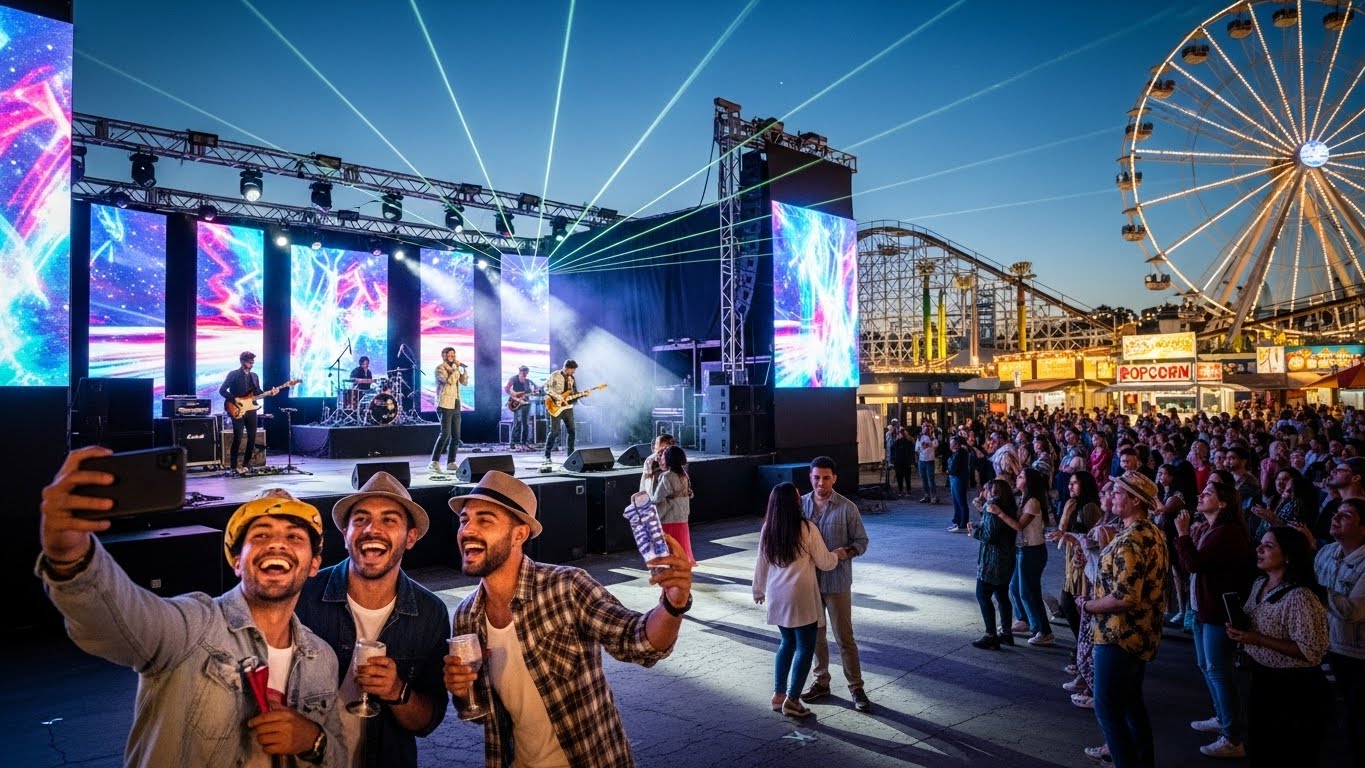
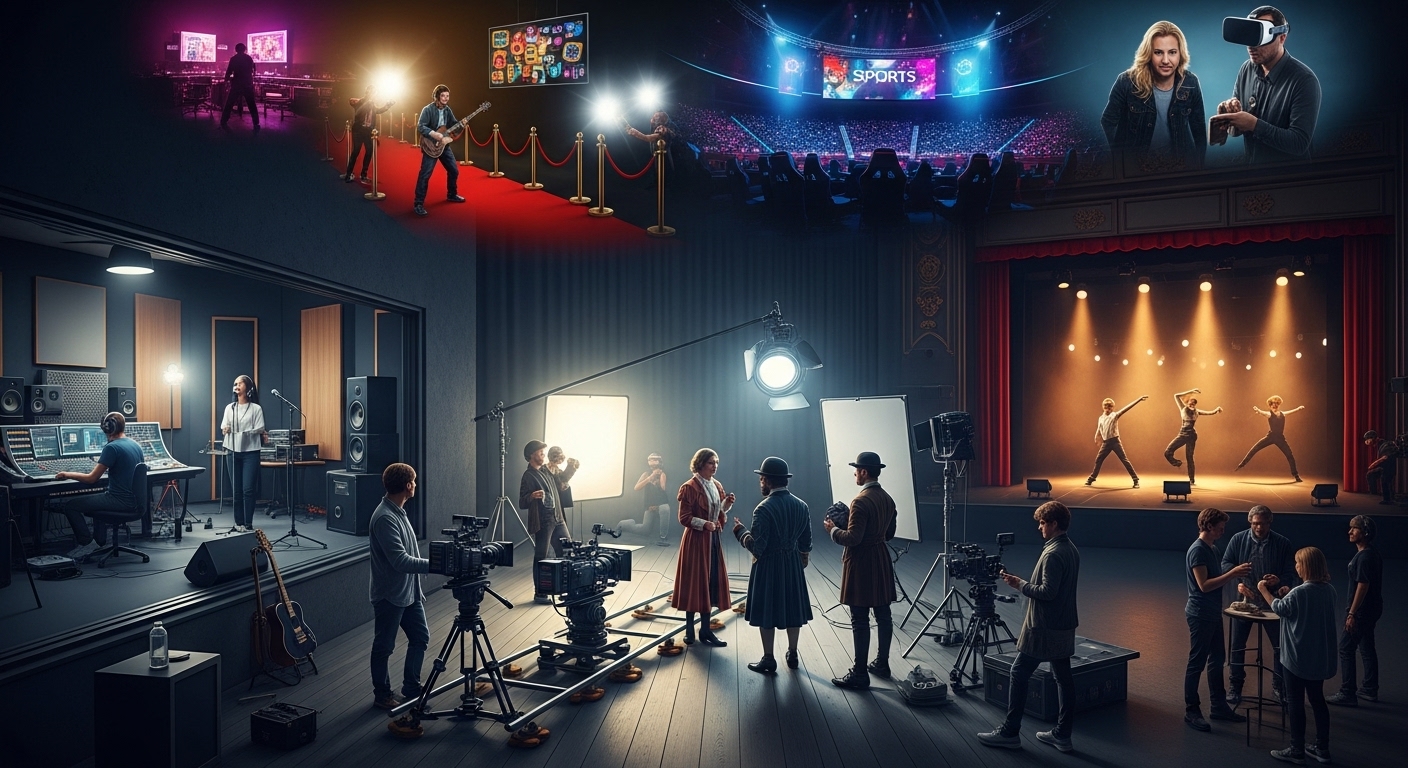
Entertainment has always been an essential part of human life. From storytelling around a fire to grand performances in ancient theaters, people have always sought ways to escape reality, express creativity, and share emotions. However, the 21st century has brought an extraordinary transformation to the entertainment industry. The rise of technology, globalization, and digital connectivity has turned entertainment into something far more dynamic, interactive, and personalized than ever before. This new age of entertainment is not just about watching or listening; it is about experiencing and engaging in ways that blur the line between reality and imagination.
The Shift from Traditional to Digital Entertainment
In the past, entertainment revolved around physical experiences like cinema halls, concerts, and theaters. People would gather in large numbers to share these moments collectively. However, the digital revolution has changed the very foundation of entertainment. Now, audiences have access to limitless content through their devices. Streaming services, online platforms, podcasts, and social media have given people control over what they watch and when they watch it.
This shift has also made entertainment more inclusive. Earlier, only major production houses could afford to create and distribute movies or music, but now, anyone with talent and a smartphone can become a creator. Independent artists, filmmakers, and musicians are reaching millions of viewers online without relying on traditional gatekeepers. This digital transformation has democratized entertainment, giving rise to new genres, voices, and cultures.
Streaming: The Revolution of On-Demand Entertainment
Streaming has been the biggest revolution in modern entertainment. The era of waiting for a scheduled show on television has been replaced by instant access to entire seasons, films, and music libraries. People can now watch or listen to anything they want, anywhere and anytime. The freedom and flexibility of streaming have transformed viewing habits.
Another key element of streaming platforms is personalization. Advanced algorithms analyze user behavior to recommend shows, movies, or songs based on individual preferences. This has made the entertainment experience more intimate and engaging. Moreover, streaming has given global exposure to creators, allowing films and music from one corner of the world to find fans across continents.
Social Media: The Rise of Everyday Entertainers
Social media has redefined the concept of celebrity. In earlier decades, fame was limited to actors, singers, and sports icons, but today, anyone can become an entertainer. Platforms dedicated to short videos and creative posts have made it possible for people to showcase their talents to a worldwide audience. This has given rise to digital influencers, comedians, dancers, and storytellers who connect directly with fans.
Unlike traditional celebrities, social media entertainers often share their personal lives, making them more relatable and approachable. This connection builds loyal fan communities. The entertainment industry has taken note of this, and now even major companies collaborate with social media influencers to promote their content. This new ecosystem shows that entertainment today is no longer controlled by studios—it belongs to the people.
Gaming: The Future of Interactive Entertainment
Gaming has evolved into one of the most powerful and influential sectors of modern entertainment. What began as simple arcade games has now transformed into complex, story-driven experiences that rival blockbuster films. Modern video games combine art, storytelling, music, and technology to create immersive worlds that captivate players for hours.
Online gaming has added a social dimension, allowing millions of players to interact, compete, and collaborate in real time. The rise of esports has turned gaming into a professional career, attracting massive audiences and sponsorships. Games today are more than just leisure; they are platforms for creativity, community, and even education.
Virtual Reality and Augmented Reality: Immersion Redefined
Virtual Reality (VR) and Augmented Reality (AR) have introduced a new level of immersion to entertainment. With VR, users can step inside a virtual world and experience stories from within rather than as observers. Whether it is exploring a digital museum, attending a virtual concert, or playing a lifelike video game, VR offers an experience that engages all senses.
AR, on the other hand, merges digital elements with the real world. It allows users to interact with virtual objects in their surroundings, making entertainment more interactive and personalized. These technologies are still evolving, but their potential to reshape movies, gaming, and live performances is immense. They are paving the way for a future where the audience is no longer just a spectator but an active participant.
Artificial Intelligence and Creativity in Entertainment
Artificial Intelligence (AI) is transforming entertainment from behind the scenes. It is being used to generate music, write scripts, design visuals, and even predict audience reactions. AI-driven editing tools save time in film production, while AI-powered platforms help artists understand what type of content resonates most with their audience.
AI also enhances user experience by recommending tailored content. It learns from viewing patterns and ensures that every user feels like their platform is designed specifically for them. In the near future, AI could even create personalized entertainment experiences—custom stories, songs, or shows unique to each individual. This fusion of human creativity and machine intelligence is shaping a new kind of artistic expression.
Music in the Digital Era: Evolution of Sound and Accessibility
The music industry has undergone a complete transformation in the digital age. With the rise of online streaming, listeners no longer need to buy albums physically. Instead, they can access millions of tracks instantly. Independent artists can upload their songs and gain recognition without needing record labels.
Technology has also influenced how music is created. Software-based instruments, digital audio workstations, and AI-generated sounds have expanded the boundaries of musical creativity. Virtual concerts and live online performances allow fans from different parts of the world to experience music together. This global accessibility has made music more diverse and collaborative than ever before.
Cinema in the Age of Innovation
Cinema continues to be one of the most influential forms of entertainment, but technology has changed how it is produced and experienced. High-definition visuals, computer-generated imagery, and sound innovations have taken storytelling to new heights. Filmmakers now use motion capture and 3D technologies to create worlds that were once impossible to imagine.
The way audiences consume movies has also evolved. Many now prefer streaming films at home, while theaters focus on providing premium experiences with advanced sound systems and immersive screens. The competition between streaming and cinema has encouraged both to innovate, giving viewers more choices and better quality entertainment.
Cultural Diversity and Global Connectivity
One of the most beautiful outcomes of digital entertainment is cultural exchange. Audiences are no longer limited to local content; they are embracing shows, movies, and music from around the world. Subtitles and translations have made global entertainment accessible to everyone.
This cultural exchange promotes understanding and appreciation of different traditions, languages, and lifestyles. Creators from smaller regions now have global platforms to share their stories, helping to bridge cultural gaps. Entertainment has become a universal language, connecting people through emotion and creativity.
The Role of Data and Analytics in Shaping Entertainment
Behind the glamour of entertainment lies the power of data. Every view, click, and share provides insights into audience behavior. Entertainment companies use this information to create content that aligns with public demand. Data analytics helps predict trends, measure engagement, and improve marketing strategies.
While data-driven creativity ensures success, it also raises ethical questions. The challenge is to balance creativity with analytics without losing artistic authenticity. Responsible use of data will determine the future of entertainment, ensuring that technology serves art rather than controlling it.
Challenges Facing the Modern Entertainment Industry
Despite its incredible growth, the entertainment industry faces major challenges. The abundance of content has made it difficult for creators to stand out. Issues like content piracy, misinformation, and creative fatigue are becoming more common. Additionally, the pressure to produce viral content can sometimes lead to compromised quality or originality.
Another challenge is mental health. Many digital entertainers face burnout due to constant online visibility and pressure from followers. The industry must find ways to prioritize well-being while maintaining creativity and innovation. Balancing technology with humanity is crucial for the long-term sustainability of modern entertainment.
The Future of Entertainment: Blending Reality and Imagination
The future of entertainment lies in blending physical and digital realities. The concept of the metaverse, where people can socialize, work, and play in shared virtual spaces, is becoming a reality. In the coming years, audiences may attend live events, explore digital worlds, and experience movies in ways that go beyond screens.
Technology will continue to shape storytelling, but the essence of entertainment—emotion, imagination, and connection—will remain the same. Human creativity will always be at the center, even as machines and algorithms become powerful collaborators.
Conclusion
The world of entertainment is experiencing a golden era of transformation. Technology has not replaced creativity—it has expanded its possibilities. From social media stars to immersive virtual worlds, entertainment today reflects the limitless imagination of humanity.
This digital evolution has made entertainment more accessible, diverse, and interactive than ever before. It connects people across cultures, empowers creators, and provides endless joy to audiences. As we look to the future, one thing is certain—the fusion of creativity and technology will continue to shape how the world experiences happiness, inspiration, and art.