Entertainment for the Soul: Experiences That Inspire, Amaze, and Delight
Entertainment has always been an integral part of human life. From storytelling around the fire to blockbuster films, from street performances to immersive virtual reality experiences, entertainment has evolved in leaps and bounds, reflecting both technological advances and societal changes. In this blog post, we will dive into the rich tapestry of entertainment, exploring its history, its contemporary forms, and the exciting future that lies ahead.
The Origins of Entertainment
Entertainment, in its most primitive form, was storytelling. Ancient humans would gather around fires to share stories, legends, and myths. These narratives were not only a source of amusement but also a way to preserve culture, teach morals, and strengthen communal bonds.
Music was another early form of entertainment. From simple drumming to complex compositions in ancient civilizations like Egypt and Mesopotamia, music provided rhythm, emotional expression, and a sense of celebration. Dance often accompanied these performances, creating a multi-sensory experience that engaged communities.
Theater emerged in ancient Greece around the 5th century BCE. Plays were not merely performances but communal experiences, often addressing political, philosophical, and social issues. The works of playwrights like Sophocles and Euripides are still studied today, demonstrating the timeless appeal of well-crafted storytelling.
Cinema: The Birth of Modern Entertainment
The late 19th and early 20th centuries marked a revolutionary change in entertainment with the advent of cinema. Early silent films, such as those by the Lumière brothers, fascinated audiences with moving images that seemed almost magical. The transition to sound in the late 1920s brought a new dimension to storytelling, allowing filmmakers to combine visual spectacle with dialogue, music, and sound effects.
Hollywood quickly became the epicenter of the film industry. The Golden Age of Hollywood, spanning the 1930s to the 1950s, produced some of the most iconic films and stars in history. Classics such as Gone with the Wind, Casablanca, and The Wizard of Oz captured imaginations worldwide and demonstrated the power of cinema to transport audiences to different worlds.
In parallel, other countries developed their cinematic traditions. Bollywood in India, for instance, blended drama, music, and dance to create films that were larger than life, resonating with millions of viewers. Japanese cinema brought forward directors like Akira Kurosawa, whose works inspired filmmakers globally.
Television: Entertainment at Home
The mid-20th century introduced television, transforming entertainment from a public experience to a private one. Families could now gather in their living rooms to watch news, sitcoms, dramas, and variety shows. Television not only entertained but also shaped public opinion and cultural norms.
Shows like I Love Lucy, Friends, and Game of Thrones became cultural phenomena, creating shared experiences among viewers. Television also became a platform for music, sports, and reality shows, broadening the definition of entertainment.
The evolution of cable and satellite TV further diversified content, allowing niche interests to flourish. Audiences could now enjoy programs tailored to specific tastes, from cooking shows to documentaries on space exploration, highlighting entertainment’s growing inclusivity.
Music: A Universal Language
Music remains one of the most enduring forms of entertainment. Over the decades, genres have evolved to reflect societal changes, technological advancements, and cultural fusion.
Jazz emerged in the early 20th century, blending African and European musical traditions, and became a symbol of creativity and freedom. Rock and roll took the world by storm in the 1950s and 1960s, challenging social norms and influencing fashion, language, and lifestyle. The late 20th century saw the rise of pop, hip-hop, electronic, and alternative music, each with its distinct cultural impact.
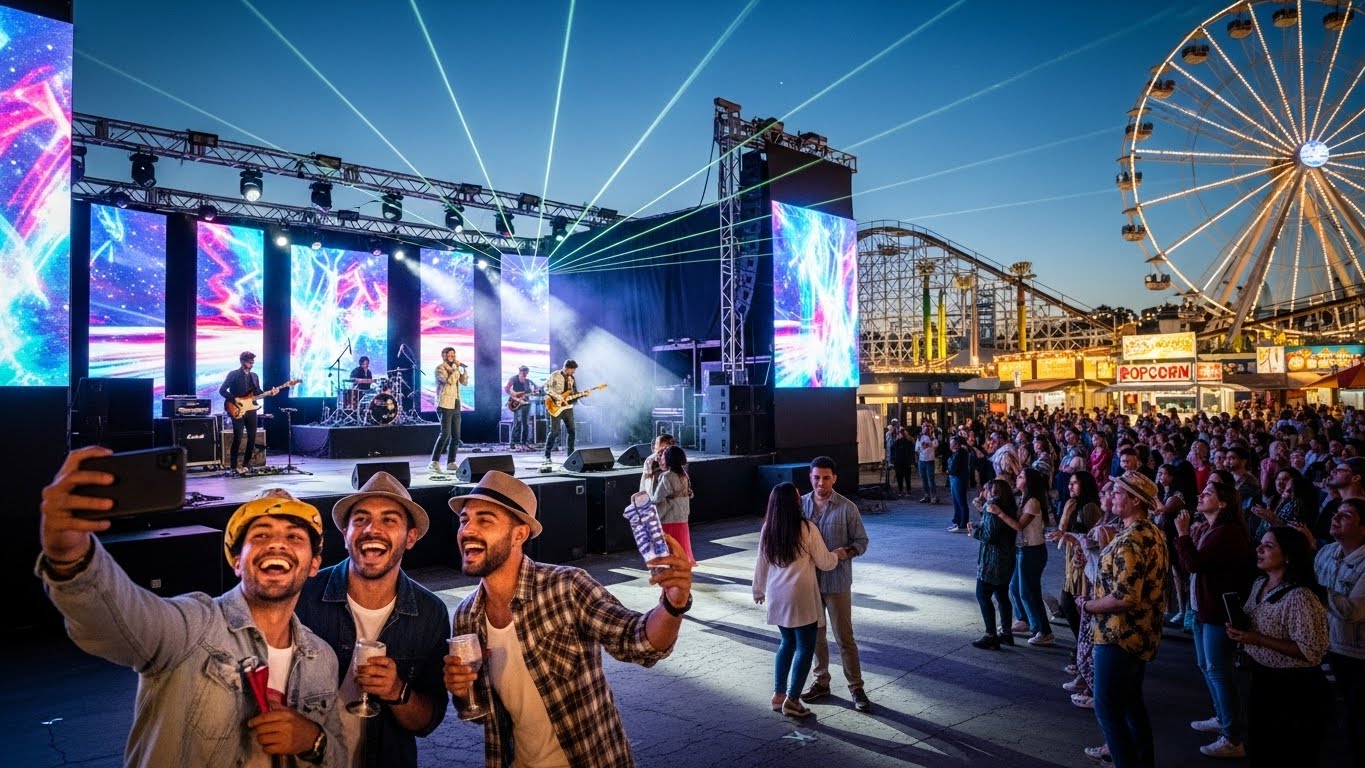
Live concerts and festivals have always been a core part of the musical experience. The energy of a live performance, the connection between artist and audience, and the shared emotional highs create unforgettable moments. With advancements in technology, virtual concerts are now possible, allowing fans from around the globe to enjoy performances in real time.
Gaming: Interactive Entertainment
While films and television offer passive entertainment, video games provide an interactive experience that engages players in entirely different ways. The gaming industry has evolved from simple pixelated graphics to immersive virtual worlds with stunning realism.
Early arcade games like Pac-Man and Space Invaders captured imaginations with simple yet addictive gameplay. The advent of home consoles in the 1980s and 1990s, such as the Nintendo Entertainment System and Sega Genesis, brought gaming into households, making it a mainstream form of entertainment.
Modern gaming combines storytelling, artistry, and interactivity. Open-world games like The Legend of Zelda: Breath of the Wild and Red Dead Redemption allow players to explore expansive environments while shaping their narratives. Multiplayer online games connect millions of players worldwide, creating social experiences that transcend geographical boundaries.
Esports has transformed competitive gaming into a spectator sport, attracting millions of viewers and offering substantial prize pools. Gaming is no longer just a hobby; it’s a cultural phenomenon, influencing fashion, music, and even cinema.
Streaming Services: Entertainment on Demand
The digital revolution has fundamentally changed how people consume entertainment. Streaming platforms have made content accessible anytime, anywhere, breaking the limitations of traditional cinema and television schedules.
Services like Netflix, Disney+, and Spotify allow users to curate their entertainment experiences, selecting what they want to watch or listen to at their convenience. Original content produced by these platforms has rivaled traditional studios in quality and popularity, proving that innovation can come from anywhere.
The binge-watching culture has also changed narrative structures, with creators designing series to be consumed in multiple episodes consecutively. This has created deeper engagement, allowing for complex storytelling and character development.
Celebrity Culture and Influence
Entertainment is inseparable from celebrity culture. Actors, musicians, athletes, and influencers shape trends, fashion, and public discourse. The rise of social media has amplified this influence, allowing fans to connect with their favorite stars directly.
While celebrity culture can inspire and entertain, it also raises questions about privacy, mental health, and the impact of fame. Nevertheless, the fascination with personal stories, achievements, and performances remains a cornerstone of modern entertainment.
Live Performances: The Magic of Being Present
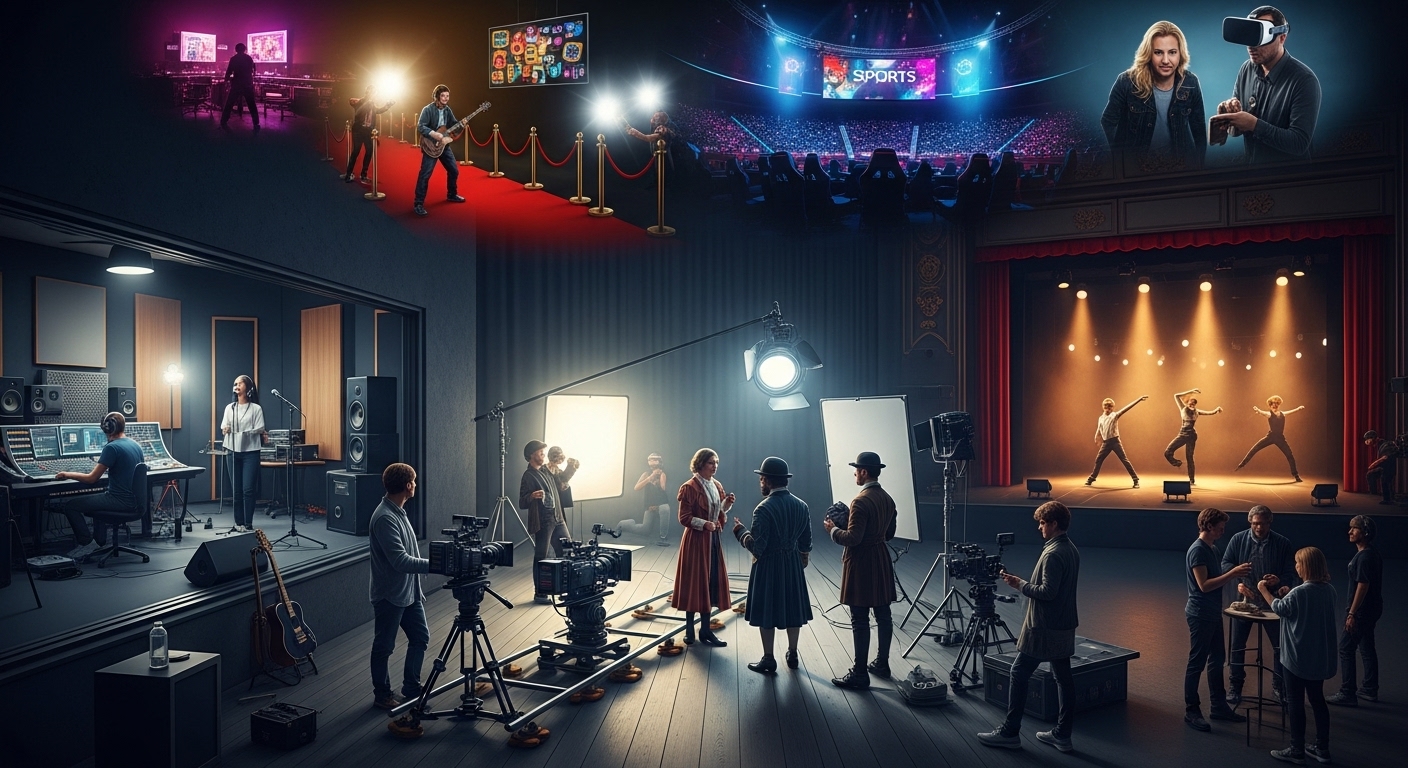
Despite the rise of digital entertainment, live performances retain a unique charm. Theater, concerts, and sports events offer experiences that cannot be fully replicated online. The energy of the crowd, the unpredictability of live performances, and the shared emotional journey create memories that last a lifetime.
Events like music festivals, Broadway shows, and international sports competitions draw people from all walks of life, fostering cultural exchange and communal enjoyment. Even in an era dominated by screens, the allure of live entertainment remains undiminished.
The Future of Entertainment
As technology continues to advance, the boundaries of entertainment are expanding. Virtual reality and augmented reality promise immersive experiences that blur the line between fiction and reality. Artificial intelligence is being used to create music, write scripts, and even generate visual art, opening new possibilities for creativity.
Interactive storytelling, where audiences influence plot outcomes, is becoming increasingly popular, merging gaming and cinema. Streaming platforms are experimenting with immersive formats and personalized content recommendations, making entertainment more tailored and engaging than ever before.
Sustainability and inclusivity are also shaping the future of entertainment. Audiences demand diverse representation and responsible production practices, encouraging creators to think globally and ethically. The entertainment of tomorrow will not only amuse but also educate, inspire, and connect people in ways we are just beginning to imagine.
Conclusion
Entertainment is much more than a pastime; it is a reflection of human creativity, culture, and technological progress. From ancient storytelling to modern digital platforms, the journey of entertainment is a testament to our desire to connect, imagine, and experience joy.
As we look ahead, the world of entertainment promises even more innovation, diversity, and immersive experiences. Whether through films, music, gaming, live performances, or digital platforms, entertainment continues to evolve, captivating audiences and shaping society in profound ways.
The beauty of entertainment lies in its universality—it transcends age, geography, and language, reminding us of our shared humanity and our endless capacity for imagination. The story of entertainment is far from over; in many ways, the best chapters are yet to be written.