The Ever-Changing World of Entertainment: How Stories, Stars, and Screens Shape Our Lives
Entertainment has always been at the heart of human culture. From the moment people gathered around ancient fires to share stories to today’s endless streaming libraries, entertainment has reflected who we are, what we value, and what we dream about. It’s not just something we consume—it’s something that connects us.
This blog takes a deep dive into the world of entertainment—where it came from, where it’s heading, and why it continues to hold such power over our hearts and minds.
The Roots of Entertainment: Where It All Began
Long before the words “Hollywood” or “binge-watching” existed, entertainment was simple and communal. Storytelling, music, dance, and theater were how societies passed on knowledge, celebrated victories, and mourned losses. Ancient civilizations like Egypt, Greece, and Rome developed art forms that still influence us today.
Greek tragedies explored human emotion and morality in ways that modern dramas still emulate. Roman arenas gave birth to large-scale performances that laid the foundation for modern sports and live shows. In Asia, traditional arts like Japanese Kabuki, Indian Kathakali, and Chinese opera shaped entire cultural identities.
Entertainment in those times wasn’t about fame or profit—it was about connection. It united people through shared experiences and emotions.
The Rise of Stage and Screen: From Theater to Film
The Renaissance and later centuries saw theater bloom into an organized industry. Playwrights like Shakespeare transformed the stage into a mirror of society, exploring love, betrayal, ambition, and tragedy. Theaters became centers of both art and gossip—a trend that never quite disappeared.
Then came the 19th century and a new invention that would change everything: the motion picture. The first silent films were short, jerky, and often humorous, but audiences were mesmerized. Moving pictures captured something humanity had never seen before—time frozen, replayed, and shared.
By the 1920s and 1930s, Hollywood had turned this novelty into a global phenomenon. Stars like Charlie Chaplin and Greta Garbo became larger than life, and the film industry was born. The silver screen gave people dreams to chase and worlds to escape into during difficult times, like the Great Depression and World War II.
The Golden Age of Television
When television arrived, it brought entertainment into every living room. The 1950s and 60s marked the dawn of what many call the Golden Age of TV. Families gathered around bulky screens to watch live broadcasts, sitcoms, news, and game shows.
Television changed how we experienced time. Instead of going to theaters, we waited for weekly episodes. Instead of film stars, we got household names who felt almost like friends. Shows like “I Love Lucy” and “The Twilight Zone” not only entertained but also pushed cultural boundaries.
Over time, television diversified. Cable brought hundreds of channels, and the idea of niche entertainment took root. Viewers could choose between dramas, sports, music videos, and documentaries—all from their couch.
The Music Revolution: From Vinyl to Streaming
Music is one of the most universal forms of entertainment, capable of expressing emotion across every boundary. From the swing bands of the 1930s to the rock revolution of the 60s and the digital beats of today, music has been the soundtrack to change.
The 20th century saw the rise of global music icons. Elvis Presley, The Beatles, Bob Dylan, and later artists like Michael Jackson and Madonna turned music into mass culture. Each decade brought a new sound that defined its generation.
Then came the internet. Music streaming transformed how we listen. Today, a teenager can discover a 1970s classic or an indie artist from another continent within seconds. Music is more accessible than ever, and with that accessibility comes an incredible diversity of voices and genres.
The Digital Age: Streaming and On-Demand Culture
If there’s one thing that defines modern entertainment, it’s control. Viewers no longer wait for scheduled broadcasts or drive to theaters unless they want to. Streaming platforms let us watch what we want, when we want, and how we want.
Netflix, Hulu, Disney+, and dozens of others have reshaped how stories are told and consumed. Instead of 22-minute TV episodes built around commercial breaks, creators now craft cinematic experiences for the small screen.
Binge-watching has become a cultural phenomenon—an experience that blends technology with psychology. Entire weekends vanish as we “just watch one more episode.” But behind this convenience lies a profound shift: entertainment has become deeply personal. Algorithms curate content for our individual tastes, turning media consumption into an intimate experience.
The Power of Fandom
Entertainment has always had fans, but the internet gave rise to fandoms—massive communities of passionate viewers, readers, and gamers. These aren’t just spectators; they are participants who analyze, create, and even influence what gets made next.
From comic conventions to online fan fiction communities, audiences have gained a new kind of power. They can celebrate or cancel, uplift or criticize, and their voices echo through social media. Entire franchises survive because of loyal fan support.
This relationship between creators and fans has blurred traditional lines. Today’s entertainment is a conversation, not a monologue.
The Age of Influencers and Viral Fame
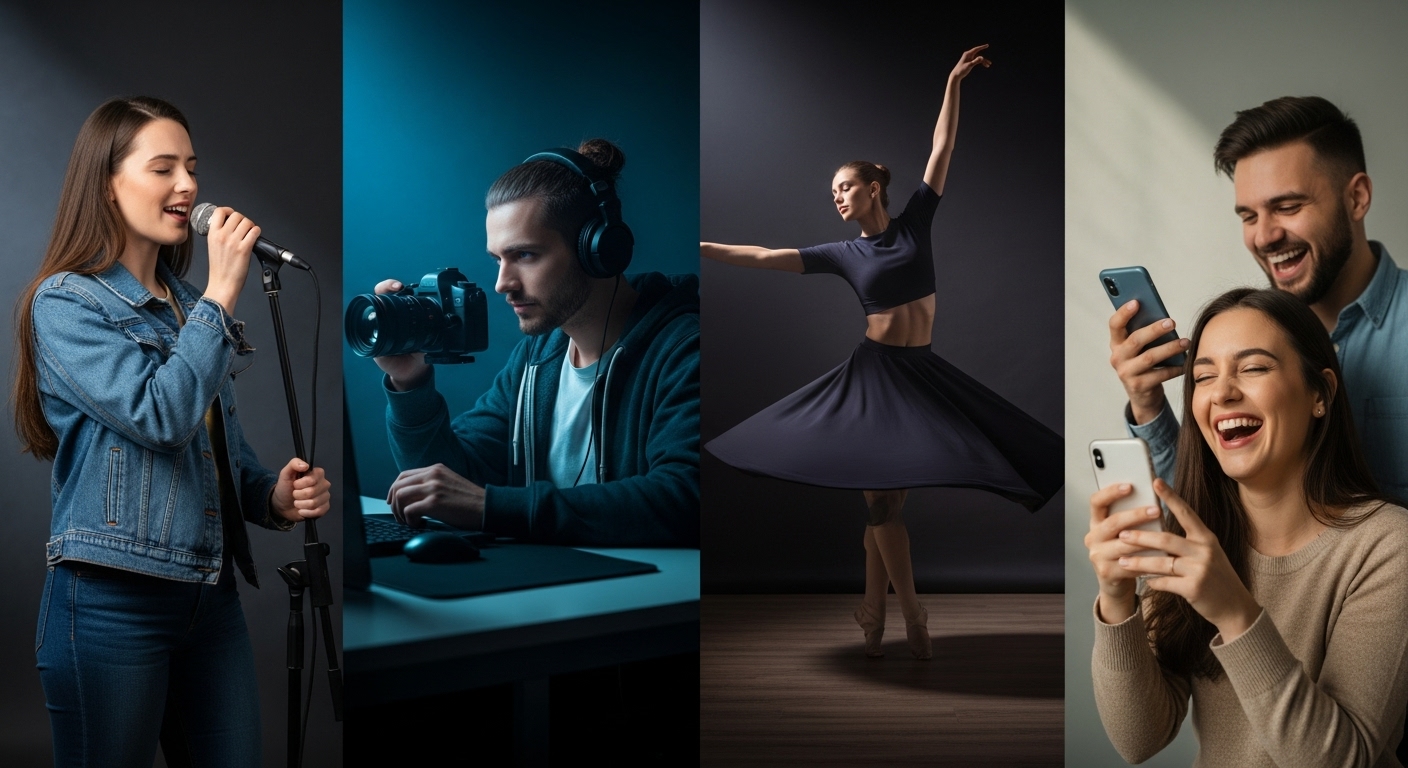
The rise of social media platforms brought a new form of celebrity. No longer do you need a movie studio or record label to reach millions—just a smartphone and creativity.
Influencers, vloggers, and content creators dominate platforms like YouTube, TikTok, and Instagram. They’ve redefined what fame means. Authenticity often matters more than polish. Viewers want to feel like they know the person behind the screen.
This democratization of entertainment has its pros and cons. On one hand, it gives everyone a chance to create and share. On the other, it blurs the line between personal life and performance, leading to burnout and pressure among creators.
Still, it’s hard to deny that this is one of the most dynamic eras of entertainment ever seen.
The Video Game Evolution: From Pixels to Worlds
For a long time, video games were dismissed as toys. But today, they are one of the most powerful forms of entertainment—an industry even bigger than film and music combined.
What began as pixelated challenges like Pong or Pac-Man has evolved into immersive worlds like “The Legend of Zelda,” “Grand Theft Auto,” and “The Last of Us.” Games tell stories now—sometimes more emotionally complex than movies.
Esports have turned gaming into a spectator event, with millions tuning in to watch tournaments and live streams. Players have become athletes and celebrities in their own right.
Beyond fun, games also serve as creative outlets, social platforms, and even educational tools. They allow us to live multiple lives in digital worlds, testing choices and consequences in ways no other medium can.
The Return of Live Experiences
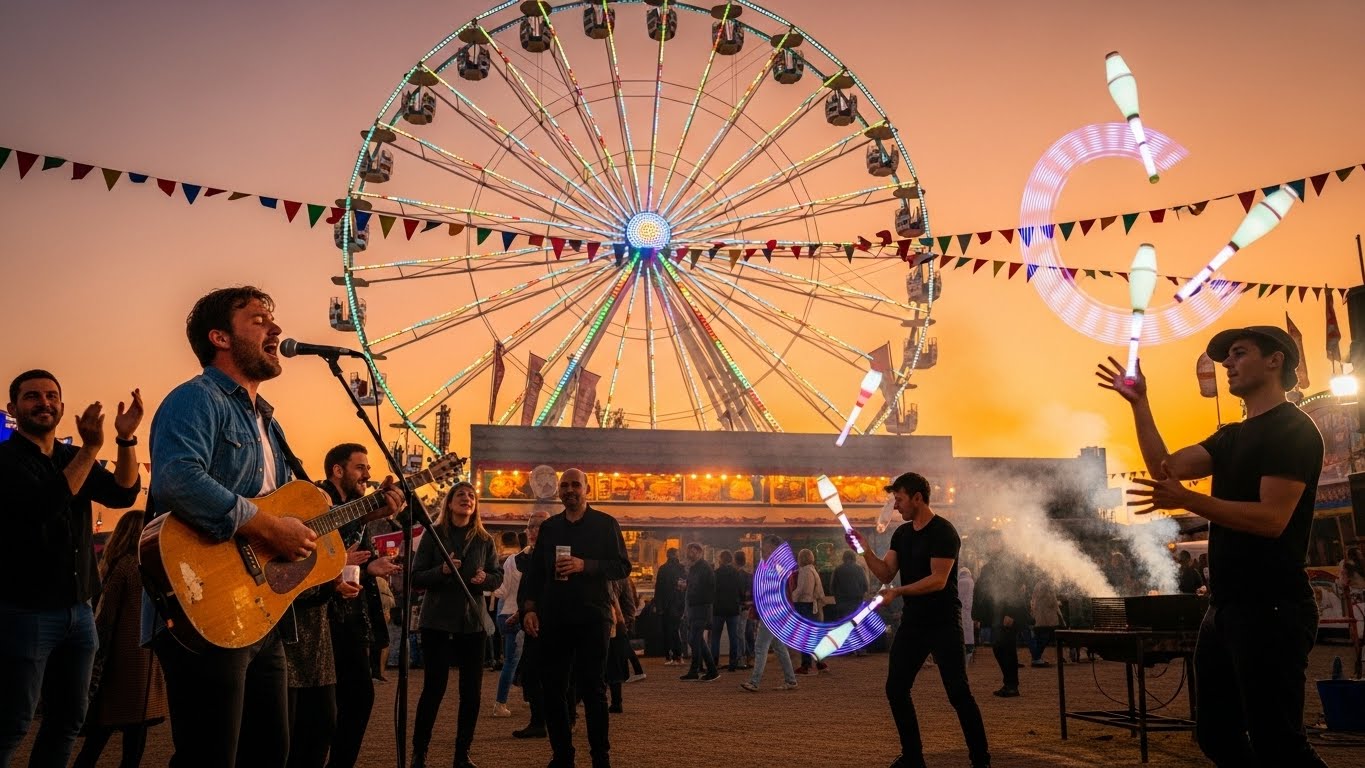
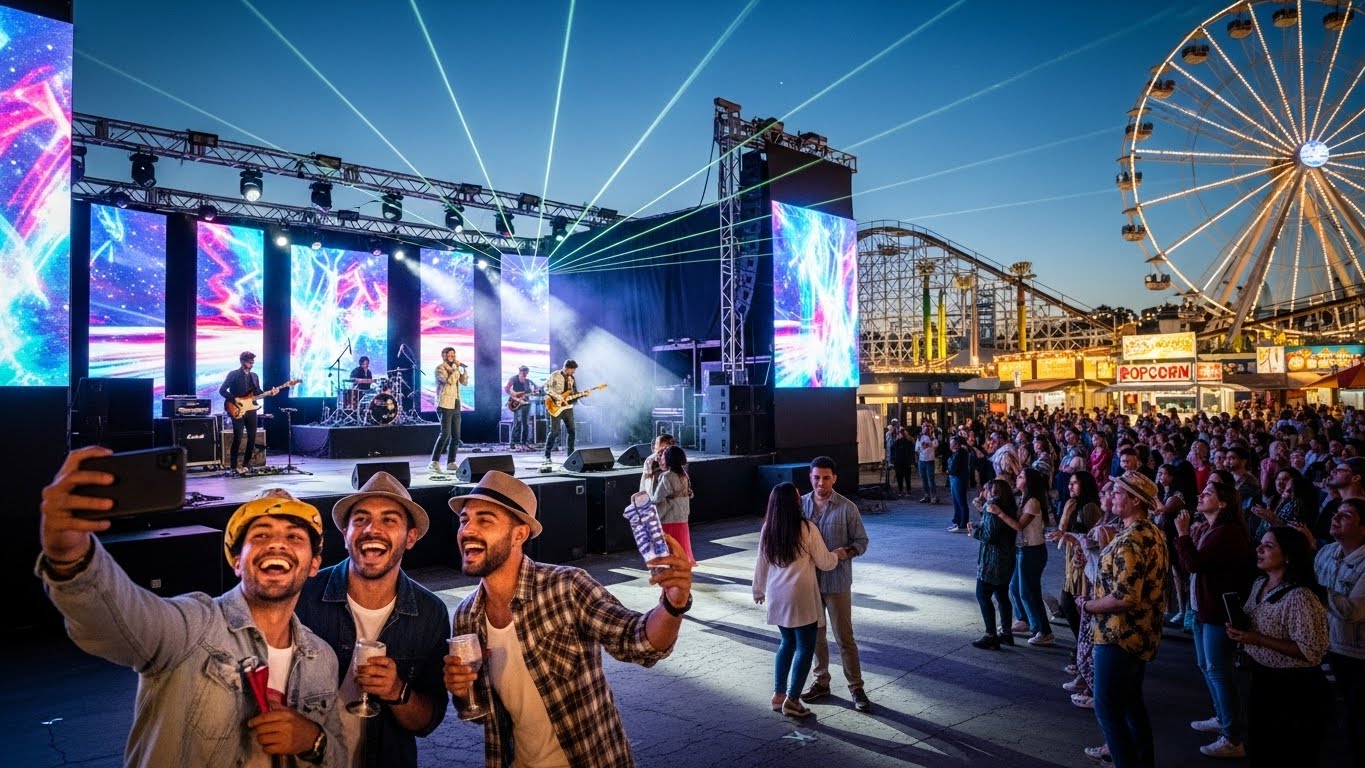
Even with all the digital options, there’s still something irreplaceable about live entertainment. Concerts, theater performances, and sports events continue to draw crowds because they remind us that entertainment is ultimately human.
After the isolation of recent years, people have rediscovered the magic of shared experiences—the roar of a stadium, the laughter in a theater, the hush before a live orchestra begins. These moments remind us that screens can’t replace real presence.
Live entertainment has also adapted. Technology now enhances performances through lighting, projections, and interactive elements. Hybrid shows and virtual concerts bridge the gap between physical and digital, making art more accessible than ever.
The Role of Technology in Shaping the Future
The next wave of entertainment is already here, driven by rapid technological innovation. Virtual reality (VR) and augmented reality (AR) are redefining immersion, while artificial intelligence is changing how stories are written, produced, and delivered.
Imagine walking through a movie instead of just watching it, or having an AI-generated story unfold uniquely for you based on your mood and interests. These aren’t science fiction ideas anymore—they’re early experiments in labs and studios worldwide.
At the same time, technology raises ethical questions. How much automation is too much? Will human creativity lose its place? The future of entertainment depends on how we balance innovation with authenticity.
Diversity and Representation: The Stories We Tell Matter
For much of entertainment history, many voices were left out. But today, diversity and representation have become central to storytelling. Audiences are demanding to see characters and creators who reflect the real world in all its variety.
This shift is powerful. When people see themselves represented on screen, it validates their experiences. It also exposes others to different perspectives, building empathy and understanding.
Whether it’s the rise of international cinema, more inclusive casting in Hollywood, or new genres created by marginalized voices, entertainment is becoming more global and more human at the same time.
Nostalgia: Why the Past Still Entertains Us
Interestingly, as entertainment evolves, we keep looking backward. Remakes, reboots, and revivals dominate today’s landscape. There’s comfort in revisiting old favorites, especially in uncertain times.
Nostalgia isn’t just about reliving the past—it’s about feeling grounded in a rapidly changing world. It reminds us where we’ve come from, even as technology and culture speed ahead.
Still, the challenge lies in finding balance. True creativity means honoring what came before while daring to invent what comes next.
The Economics of Entertainment
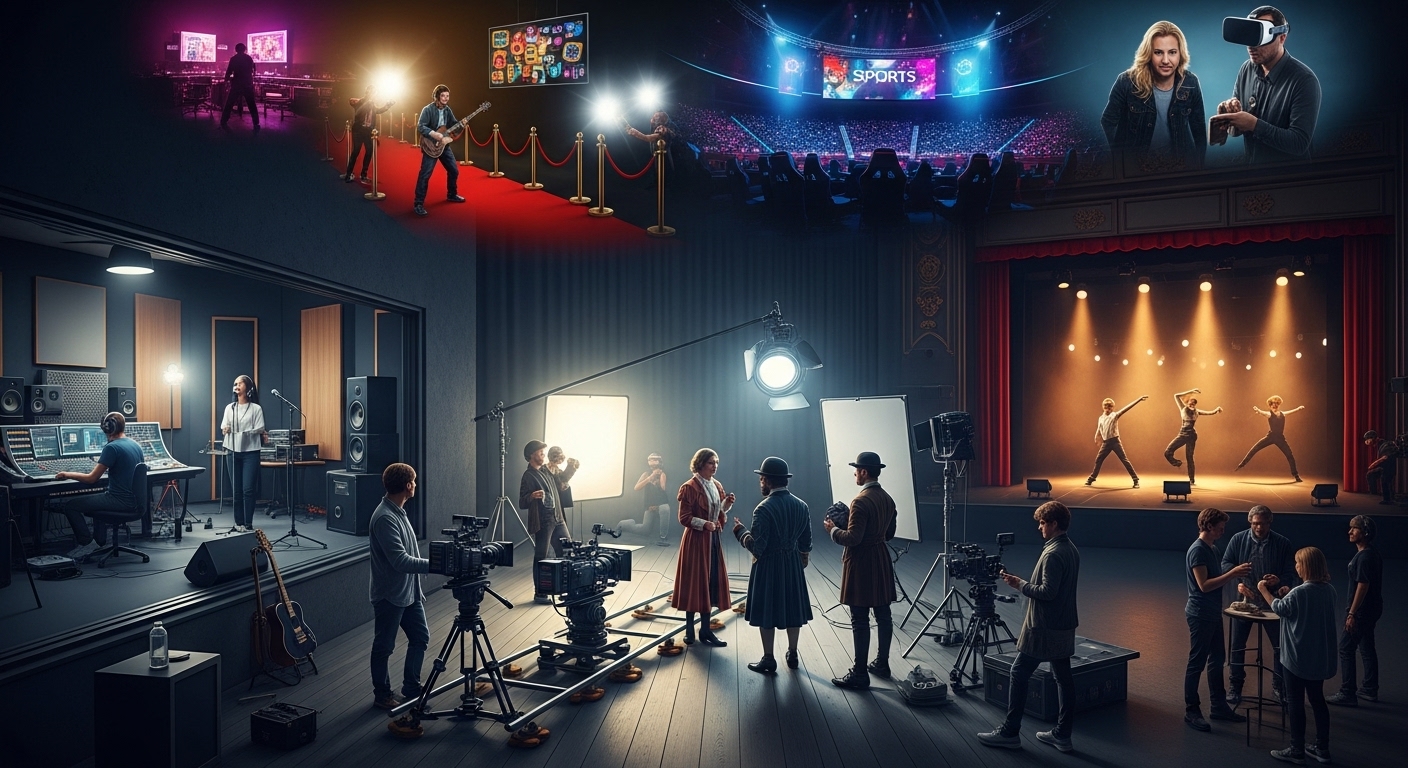
Behind every movie, show, or concert lies a massive industry that drives jobs, innovation, and economies. From production crews to marketing teams, entertainment employs millions worldwide.
Streaming has disrupted traditional business models. Studios now compete with tech companies for attention and subscriptions. The line between media and technology is fading. At the same time, independent creators are finding ways to earn directly from fans through crowdfunding, merchandise, and digital platforms.
Entertainment has always been about both art and commerce—and the balance between them keeps shifting.
How Entertainment Shapes Society
It’s easy to think of entertainment as mere distraction, but it’s far more than that. It influences how we think, what we believe, and even how we behave.
Films can challenge social norms, music can inspire movements, and comedy can highlight truths that are otherwise hard to discuss. Entertainment reflects our collective consciousness—it holds a mirror up to our values and fears.
That’s why discussions about censorship, representation, and responsibility matter. What we watch and listen to shapes generations.
The Future of Entertainment: What Comes Next
Looking ahead, the future of entertainment will likely blend creativity with interactivity. Instead of passive viewing, audiences will participate. Artificial intelligence, mixed reality, and personalization will redefine storytelling.
We’ll see more collaborations between creators and fans, more crossovers between mediums, and more emphasis on shared digital spaces. Imagine watching a live concert in virtual reality with friends across continents, or co-creating a movie’s storyline in real time.
But even as the formats evolve, one thing will stay the same: our hunger for stories. Technology may change the tools, but the core of entertainment—the desire to feel, connect, and imagine—will always endure.
Conclusion: Why Entertainment Still Matters
In a world that’s often uncertain and fast-paced, entertainment gives us a way to pause, feel, and remember what makes us human. It offers joy, reflection, and escape. It helps us understand ourselves and others.
Whether it’s the thrill of a movie premiere, the beat of a favorite song, or the comfort of a familiar show, entertainment remains one of the purest forms of shared experience.
From cave paintings to virtual worlds, we’ve always told stories—and we always will. Because in the end, entertainment isn’t just about what we see on screen. It’s about who we are when we watch, listen, and dream.