The Everlasting World of Entertainment: A Journey Through Joy, Creativity, and Imagination

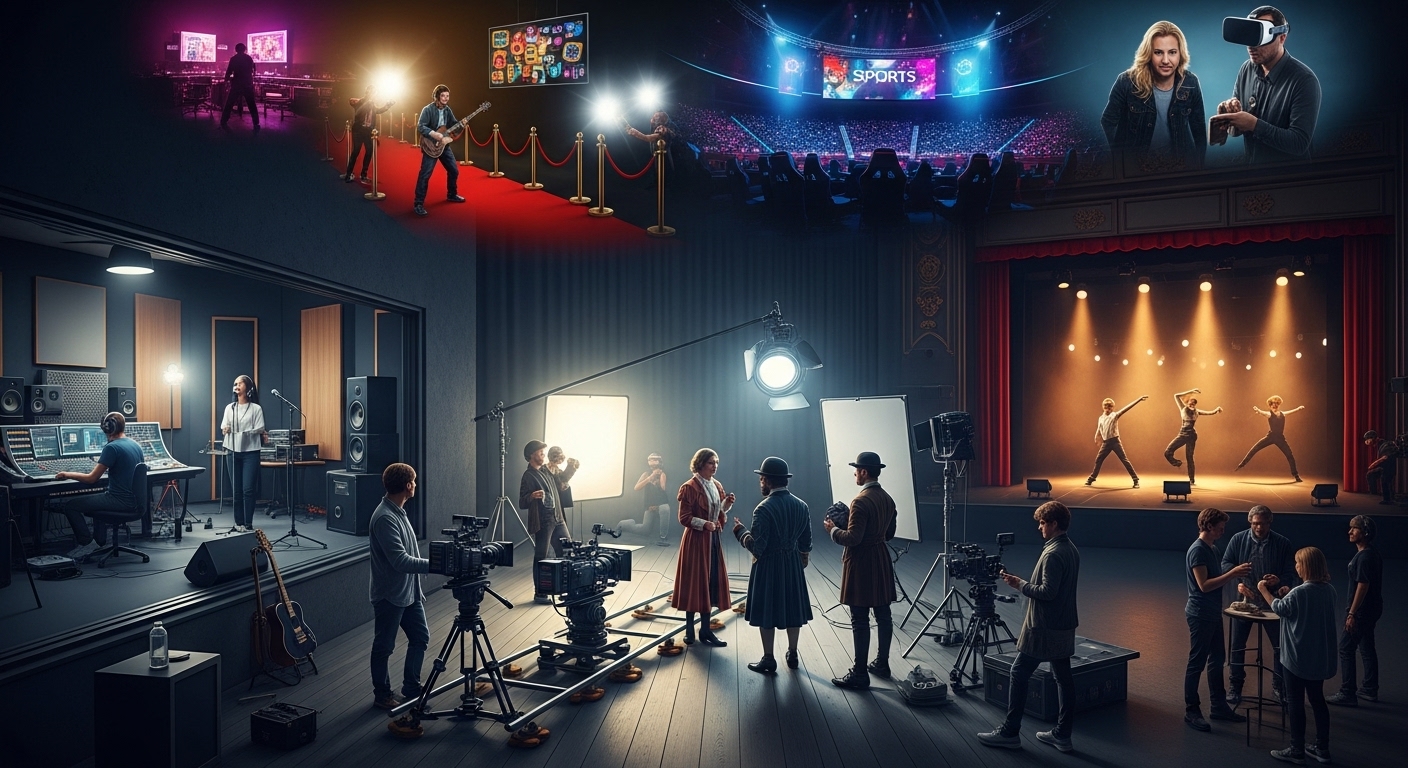
Entertainment has been an integral part of human civilization since the dawn of time. From the ancient days when people gathered around fires to share stories, to the modern era where screens dominate every corner of life, entertainment has continuously evolved, adapted, and expanded. It is not just a form of leisure or recreation; it is a mirror reflecting our thoughts, emotions, values, and cultural evolution. Whether it is music, cinema, theatre, games, or digital media, the essence of entertainment lies in its ability to connect, inspire, and unite people across all boundaries.
The Origins of Entertainment
In the earliest stages of human history, entertainment was closely tied to survival and community bonding. Ancient tribes used storytelling, dance, and rhythmic sounds as forms of expression and communication. These early performances were not merely for amusement; they were a way of preserving traditions, teaching lessons, and celebrating victories. Storytelling, in particular, played a vital role in passing down wisdom from one generation to the next.
The Greeks and Romans later formalized entertainment through theatre and gladiatorial contests. Theatres became a central part of ancient Greek culture, where plays explored themes of love, tragedy, morality, and politics. The Romans expanded on this by introducing grand spectacles such as chariot races and arena battles. Though brutal, these events captivated audiences and demonstrated the power of organized performance to engage the masses.
The Evolution of Music as Entertainment
Music has always held a special place in the world of entertainment. It transcends language, age, and culture. Early humans used simple instruments like drums, flutes, and stringed devices to create rhythmic patterns. Over time, music evolved into an art form that expresses emotion, celebrates identity, and brings people together.
The classical era introduced structured compositions from great minds like Mozart, Beethoven, and Bach, whose works continue to inspire musicians today. As societies changed, so did the music. The 20th century witnessed revolutions in sound, from jazz and blues to rock and roll, pop, and hip-hop. Each genre represented a shift in culture and attitude. Music festivals, concerts, and digital streaming now allow people to access global sounds with ease, making it one of the most powerful forms of entertainment in existence.
The Golden Age of Cinema
Cinema emerged in the late 19th century as one of the most influential and beloved forms of entertainment. The silent film era introduced stars like Charlie Chaplin, whose comedic brilliance transcended words. As technology progressed, films began incorporating sound, color, and special effects. This innovation transformed cinema into a dominant cultural force.
Hollywood became synonymous with glamour, creativity, and storytelling. The golden age of movies gave us unforgettable classics that continue to inspire filmmakers and audiences alike. Meanwhile, different countries developed their own cinematic traditions — Bollywood in India, for instance, became a massive industry known for its musical dramas and vibrant storytelling.
Today, cinema is more diverse than ever. Independent films, international collaborations, and streaming services have given rise to new voices and ideas. While the big-screen experience remains special, digital platforms have made entertainment accessible to anyone with an internet connection. Movies now serve as both art and escapism, allowing viewers to explore different worlds, emotions, and perspectives from the comfort of their homes.
Television: The Heart of Home Entertainment
Television revolutionized entertainment in the 20th century. It brought moving images into every household, becoming a central part of daily life. Families gathered around their TVs to watch news, sitcoms, and drama series that became cultural phenomena. The variety of content expanded over the decades, from live broadcasts and soap operas to reality shows and documentaries.
Television not only entertained but also educated and informed. Shows shaped social conversations, influenced fashion, and even altered political landscapes. With the rise of satellite and cable networks, viewers gained access to hundreds of channels catering to different tastes and interests.
In the 21st century, television merged with the internet, giving birth to streaming services that changed viewing habits forever. Binge-watching became a new form of entertainment, allowing audiences to consume entire seasons at once. This shift in technology and behavior reflects how entertainment continuously adapts to fit modern lifestyles.
The Digital Revolution and Online Entertainment
The internet completely transformed the way people consume entertainment. From social media platforms to video-sharing sites, digital content has become the core of modern amusement. People no longer rely solely on television or cinema for enjoyment; instead, they turn to smartphones, tablets, and computers for instant gratification.
Online entertainment offers endless possibilities — gaming, music, films, podcasts, live streams, and short videos. Platforms allow anyone to become a creator, democratizing fame and creativity. Memes, viral videos, and online challenges have created new cultural trends that define modern humor and expression.
One of the biggest shifts has been the rise of interactive entertainment. Viewers are no longer passive consumers; they engage, comment, and even collaborate with creators. This participatory nature has given birth to a new generation of entertainers who connect directly with audiences in real time.
Gaming: A Universe of Interactive Fun
Video games have evolved from simple pixelated pastimes into complex, immersive worlds that rival movies in storytelling and emotion. The gaming industry is now one of the largest sectors in entertainment, attracting millions of players from around the globe.
Games offer a unique form of interactivity — players become part of the story. Whether it’s an epic adventure, a sports simulation, or a battle royale, gaming creates experiences that are both challenging and rewarding. Esports, the competitive side of gaming, has turned professional players into global celebrities.
With advances in technology like virtual reality and augmented reality, gaming continues to push the boundaries of imagination. It is no longer limited to children or hobbyists; it is a cultural movement that brings people together through shared adventures, strategy, and creativity.
The Power of Social Media Entertainment
Social media platforms have redefined what entertainment means. People no longer wait for television schedules or cinema releases; entertainment is available instantly through feeds and timelines. Influencers, vloggers, and comedians have built massive audiences by sharing personal stories, humor, and lifestyle content.
Short-form video platforms have made creativity accessible to everyone. A simple dance, prank, or skit can reach millions of viewers overnight. This immediacy has changed how entertainment is created and consumed. It thrives on trends, relatability, and interaction.
Social media also blurs the line between celebrity and audience. Fans can engage directly with their favorite creators, shaping the direction of content. This dynamic interaction has given rise to a new kind of stardom that feels more personal and authentic than traditional fame.
Live Performances and the Magic of the Moment
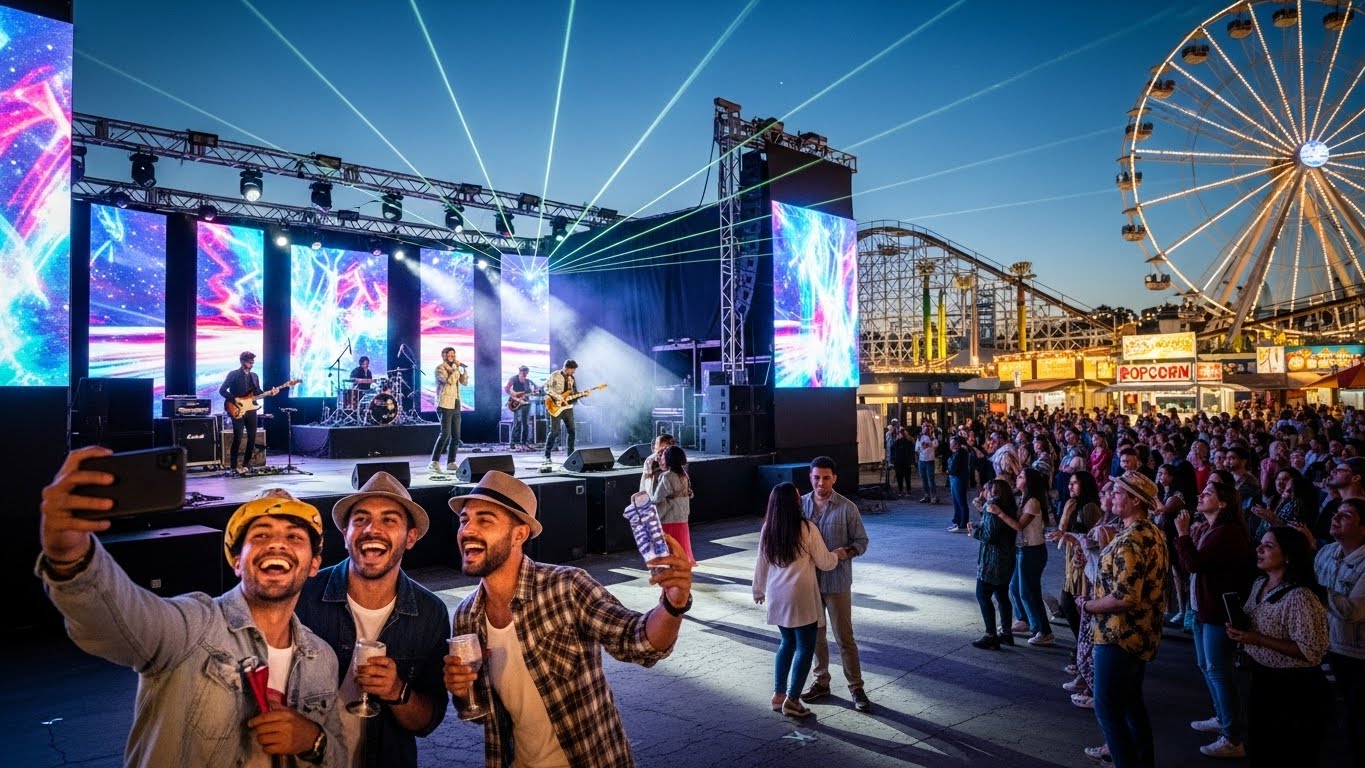
Despite the dominance of digital entertainment, live performances retain a unique charm that technology cannot replace. Concerts, theatre plays, stand-up comedy shows, and dance performances provide a sense of immediacy and connection that no screen can replicate.
The energy of a live audience, the emotions shared in real time, and the unpredictability of performance create moments that feel truly alive. Whether it’s a grand musical concert in a stadium or an intimate play in a small theatre, live entertainment reminds us of the human connection at the heart of art.
After the global pandemic, the return of live shows brought renewed appreciation for physical gatherings. Artists and audiences realized how deeply they missed that shared experience. The stage remains a sacred space where emotion, creativity, and passion come to life.
The Role of Technology in Shaping Entertainment
Technology has always been a driving force behind the evolution of entertainment. From the invention of the printing press to the rise of digital effects and artificial intelligence, every innovation has expanded the limits of creativity.
Today, virtual reality, augmented reality, and artificial intelligence are redefining the possibilities of entertainment. Filmmakers use advanced CGI to create lifelike worlds. Musicians experiment with AI-generated sounds. Virtual influencers and digital concerts are becoming mainstream.
Streaming algorithms now recommend personalized content, ensuring that every viewer finds something tailored to their taste. However, this convenience also raises questions about overconsumption and attention spans. Balancing technology with creativity remains one of the key challenges of modern entertainment.
The Cultural Impact of Entertainment
Entertainment does more than just amuse — it shapes societies, influences opinions, and inspires change. Films, music, and art often reflect the social and political climate of their time. They challenge norms, question authority, and celebrate diversity.
In many cases, entertainment has sparked important conversations about equality, justice, and identity. It serves as a platform for underrepresented voices and stories. From protest songs to documentary films, artists have used entertainment as a tool for awareness and advocacy.
At the same time, entertainment helps preserve cultural heritage. Traditional music, folk dance, and indigenous art forms keep the spirit of communities alive. Even in a globalized world, local entertainment maintains a sense of identity and pride.
The Future of Entertainment
As technology continues to evolve, the future of entertainment looks limitless. Artificial intelligence, virtual spaces, and holographic experiences may soon become everyday realities. Imagine watching a concert from your living room in full 3D or participating in an interactive film where your choices affect the outcome.
However, the core of entertainment will always remain the same — the desire to connect, express, and feel. Whether it’s through laughter, tears, or wonder, entertainment reminds us of our shared humanity.
The next generation of creators will likely blend multiple forms of media, creating hybrid experiences that are both artistic and technological. But even as we move forward, the essence of storytelling, music, and performance will continue to be rooted in emotion and imagination.
Conclusion: The Soul of Human Joy
Entertainment is more than just distraction; it is nourishment for the soul. It celebrates creativity, emotion, and human connection. From the rhythm of ancient drums to the flicker of digital screens, entertainment has journeyed through centuries, adapting to the needs and dreams of each era.
It helps people escape reality, yet also helps them understand it better. It unites strangers, inspires artists, and brings comfort during dark times. In every laugh, every melody, every performance, and every story lies the heartbeat of humanity itself.
The world of entertainment will continue to evolve, but its purpose will never change — to make life brighter, deeper, and infinitely more meaningful. Whether through music, movies, games, or performances, entertainment will always remain the universal language of joy and imagination.